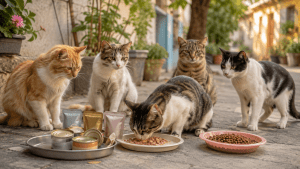
Why won’t my cat eat? It is a worrying moment when a cat turns away from its bowl, and the concern is justified, because appetite loss in cats is both a common early sign of illness and, if it goes on, a health risk in its own right. The causes range from the trivial, a bit of stress or boredom with a food, to the serious, illness, pain, or nausea. Just as important as the cause is the clock: cats cannot safely go without food for long. This guide covers why cats stop eating, how to tempt a well cat back to its bowl, how long is too long, and the clear signs that mean it is time to call the vet.
Once appetite is back to normal, the Cat Feeding Calculator helps you get portions right by weight and age. Browse more tools in the pet calculators hub.
On this page
Why appetite loss matters in cats
Before looking at causes, it is worth understanding why a cat not eating is taken more seriously than the same thing in a person or even a dog, because that urgency shapes everything else.
There are two reasons appetite loss matters so much in cats. The first is that it is one of the most common and earliest signs that a cat is unwell, so a cat going off its food is often the first hint of a problem that is otherwise hidden, given how well cats mask illness. The second, and more pressing, is that a cat not eating is not merely a symptom but can become a serious problem in its own right. When a cat stops taking in food, its body begins to draw on fat reserves, and in cats this process can overwhelm the liver and lead to a dangerous condition called hepatic lipidosis, or fatty liver, which is more likely and more severe in overweight cats and can be life-threatening. This is why a cat not eating is genuinely time-sensitive in a way that a person skipping meals is not. Together, these two facts explain the whole approach to a cat that won’t eat: take it seriously as a possible sign of illness, and do not let it continue for long, because the not-eating itself becomes harmful. Everything that follows sits inside that framework of watchful urgency.
It helps to hold onto a simple contrast here. A person or a dog that skips a day of food is usually fine, and we tend to apply that same relaxed instinct to a cat, assuming it will eat when it is hungry enough. With cats, that instinct is wrong and occasionally dangerous, because the fatty-liver risk means the body does not simply wait patiently for the next meal, it starts a process that can harm the liver. Resetting that instinct, treating a cat that won’t eat as a shorter-fuse situation than you would a dog, is one of the most useful things an owner can internalise, and it underlies all the specific advice below.
How long can a cat go without food?
This is the single most important practical question, and getting the answer right is what keeps a manageable situation from becoming an emergency.
Cats cannot safely skip meals for long. As a general guide, if an adult cat eats nothing for around 24 hours, call your vet, and act sooner if the cat also seems unwell. Kittens should never go more than a few hours without food. Prolonged appetite loss risks hepatic lipidosis (fatty liver), which is serious and more likely in overweight cats. Do not wait several days to see if a cat “comes round” to eating.
The short answer is that cats should not go without food for anywhere near as long as people often assume. While a healthy cat can technically survive some time without eating, the risk of fatty liver means the safe threshold for concern is much shorter: around a day of eating nothing in an adult cat is the point to seek veterinary advice, and less if the cat is showing other signs of being unwell. For kittens the window is far shorter still, a matter of hours, because they have almost no reserve. Overweight cats are at particular risk, since they have more fat to mobilise and are more prone to the liver overload that causes fatty liver, so a chubby cat that stops eating is if anything more urgent, not less. The practical takeaway is to think in terms of a day, not a week: a single skipped meal in a bright cat can be watched, but a full day of refusing food, or any refusal in a cat that seems ill or in a kitten, is a reason to act. Waiting several days in the hope that a cat will eventually eat is exactly the mistake that allows fatty liver to develop.
It is worth being clear about what “eating nothing” means, since a cat nibbling a few pieces of kibble is different from total refusal, though neither is ideal. Total refusal of all food is the most urgent, but a cat that is eating dramatically less than usual, only picking at food, or refusing everything except a tiny amount of a treat, is also heading toward trouble if it continues, and the same rough day-scale thinking applies. If you are unsure how much your cat has actually eaten, particularly in a multi-cat home where bowls are shared, it is worth feeding separately for a day so you can see clearly who is eating and how much, since a cat quietly not eating can hide in a group.
The minor causes: stress and environment
Many cases of a cat going off its food, especially brief ones in a cat that otherwise seems well, come down to relatively minor causes, and stress is high on that list.
Cats are creatures of habit and are surprisingly sensitive to change, so a range of everyday disruptions can put a cat off its food for a while. Moving house, rearranging furniture, a new pet or person in the home, building work, a change in the household routine, or even a new food bowl or a bowl moved to a busier or less private spot can all cause a temporary loss of appetite. Stress from a trip to the vet, boarding, fireworks, or a neighbouring cat visible through the window can do the same. Environmental factors play a role too: some cats eat less in hot weather, and a bowl placed too close to the litter tray, or in a noisy or high-traffic area, can deter a cat that prefers to eat somewhere calm and safe. Competition with another cat at mealtimes can leave a more timid cat reluctant to eat. The reassuring thing about these causes is that the cat is usually otherwise well, bright, and active, and the appetite dip is mild and short-lived, often resolving once the cat settles or the stressor passes. The catch is that you cannot assume stress is the cause and simply wait indefinitely, because illness can look the same at first, which is why even a stress-suspected appetite loss still comes with the time limits above.
Where you can identify and ease a clear stressor, doing so is often the quickest fix. If a new food bowl or a moved feeding station coincided with the refusal, putting things back can help; if a new pet or a noisy household event is the trigger, giving the cat a quiet, private place to eat away from the disruption often restores its confidence at the bowl. Cats value routine and security around food, so re-establishing a calm, predictable mealtime in a safe spot addresses many stress-related dips. The important caveat remains that if the appetite does not recover within the time window, you treat it as possible illness rather than assuming the stress explanation and waiting on.
Food changes and fussiness
Another common and usually benign reason a cat turns up its nose is the food itself, whether because something changed or because the cat has simply decided it is bored.
Cats can be genuinely fussy, and they form strong preferences for particular flavours, textures, and even shapes of food, so a number of food-related issues can cause a cat to refuse a meal. A recent change of diet is a frequent culprit: switching food suddenly often meets resistance, which is why diet changes are best made gradually over a week or so, mixing increasing amounts of the new food into the old. A cat may also reject food that is stale, has been left out too long and gone warm or crusty, or comes from a freshly opened batch that smells slightly different. Some cats tire of a food they have eaten daily for a long time and start refusing it out of boredom. Serving temperature matters, since many cats dislike food straight from the fridge and much prefer it at room or body temperature, where it smells stronger. Even the bowl can be a factor, with some cats disliking deep bowls that press on their whiskers. When fussiness or a food change is behind the refusal, the cat is typically well in itself and interested in other foods, and the fix is often as simple as reverting to the previous food, warming the meal, or refreshing a stale bowl. Still, fussiness should not be assumed too quickly in a cat that refuses everything, since a cat that suddenly won’t eat foods it normally loves may be unwell rather than picky.
Illness and appetite loss
Beyond the minor causes lies the reason appetite loss is taken so seriously: almost any illness can make a cat stop eating, so a reduced appetite is one of the broadest and most important signs that something is wrong.
Loss of appetite accompanies a huge range of feline illnesses, which is exactly why it is such a useful early warning and why it should not be ignored. Infections, kidney disease, an overactive thyroid, diabetes, liver disease, pancreatitis, gastrointestinal problems, urinary conditions, and many others can all reduce a cat’s desire to eat. Pain from any source, dental disease, arthritis, an injury, or an internal problem, commonly suppresses appetite. Nausea, whatever its cause, makes a cat turn away from food. Even a blocked nose from a cold can stop a cat eating by robbing it of the sense of smell it relies on to want food. The key point is that because so many conditions cause appetite loss, a cat that won’t eat, particularly alongside any other change such as lethargy, hiding, vomiting, weight loss, or altered drinking or litter habits, may well be showing the first sign of an underlying illness. This is why the guidance keeps returning to the vet: home tricks to tempt a cat are appropriate for a bright, otherwise-well cat with a mild dip, but a cat that is unwell in any other way, or that refuses food beyond the time limits already covered, needs a proper veterinary assessment to find and treat whatever is behind the lost appetite.
It is also worth remembering that treating the appetite loss without finding its cause can be a trap. Getting a sick cat to eat a little through clever coaxing is helpful in the moment, but if the reason it stopped eating is an untreated illness, the coaxing only masks the problem while the underlying condition continues. That is the difference between a well cat that is briefly off its food, where tempting it is the whole answer, and an unwell cat, where tempting it is at best a stopgap on the way to the vet. Keeping that distinction clear stops good intentions from delaying the diagnosis a genuinely sick cat needs.
See the guides on the early signs a cat is sick, vomiting, and increased thirst, since appetite loss often travels with these.
Dental and mouth pain
One cause of appetite loss is common enough and easy enough to miss that it deserves its own section: pain in the mouth, which can make a hungry cat unable to eat comfortably.
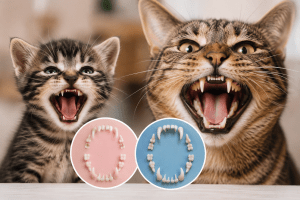
Dental and oral problems are widespread in cats and are a frequent, under-recognised reason a cat stops eating or eats strangely. Gum disease, a fractured or resorbing tooth, a tooth root abscess, mouth ulcers (which calicivirus can cause), and other sources of oral pain can make eating hurt, so a cat with a mouth problem often behaves in a telling way: it approaches the food and seems keen, then hesitates, picks at it, drops it, chews gingerly on one side, prefers soft food to hard, or backs away and grooms its face. There may be additional clues such as bad breath, drooling, or pawing at the mouth, though these are not always obvious. The reason dental pain is so easily missed is that cats hide pain and keep trying to eat despite considerable discomfort, so the signs are subtle and gradual. The distinction that helps most is between a cat that does not want to eat, which points more toward nausea or feeling generally unwell, and a cat that clearly wants to eat but seems unable to do so comfortably, which points toward the mouth. If your cat shows that second pattern, or has bad breath alongside a changed appetite, a dental examination with your vet is well worth arranging, because these problems are painful and treatable, and fixing them restores both comfort and appetite.
A telltale variation of the dental pattern is a cat that suddenly refuses dry food but will still eat wet, or that starts swallowing kibble whole rather than crunching it. Both suggest that chewing hurts, which points squarely at the teeth or gums. Owners sometimes adapt to this without realising, quietly switching a cat to wet food because it seems to prefer it, when in fact the cat is avoiding pain rather than expressing a preference. If you find yourself accommodating your cat this way, it is worth mentioning to the vet, because the underlying dental problem will keep progressing until it is treated, and eventually even soft food may become uncomfortable.
Nausea and a blocked nose
Two more specific causes are worth understanding because they explain some otherwise puzzling refusals, and both point back toward how central smell and the stomach are to a cat’s willingness to eat.
Nausea is a powerful appetite suppressant, and a nauseous cat will turn away from even favourite foods. Nausea can come from a simple stomach upset or a hairball, from motion sickness, from many illnesses such as kidney or liver disease, or from certain medications, and it often shows up alongside other clues like lip-licking, drooling, repeated swallowing, or actual vomiting. A cat that seems interested in food but then recoils, or that approaches and turns away with a slightly hunched look, may be feeling sick. The other specific cause is a blocked nose. Cats depend heavily on smell to want to eat, far more than we do, so a cat with a congested nose from a cold or other upper respiratory problem may stop eating simply because it cannot smell its food and therefore has no appetite for it, even though nothing is wrong with its mouth or stomach. This is why a cold can knock out a cat’s appetite, and why warming food and offering strong-smelling options helps a congested cat, by pushing enough aroma through for the cat to register the food. Recognising these two causes helps make sense of a cat that won’t eat despite no obvious mouth problem, and both, if they persist or come with a generally unwell cat, are reasons to involve the vet.
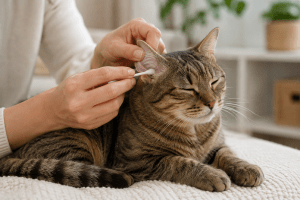
The blocked-nose cause is worth keeping in mind because the fix can be quite simple in the short term. A cat that is not eating purely because a cold has stolen its sense of smell will often start again if you gently clear any discharge from its nose and offer warmed, strong-smelling food, giving it enough aroma to work with while the cold resolves. That is a reasonable thing to try for a cat that is otherwise coping with a mild cold, but it does not change the underlying rule: if the cat still will not eat, or the cold itself is more than mild, the vet needs to be involved, both for the appetite and for the infection behind it.
How to tempt a cat to eat
For a cat that is bright and otherwise well but going through a mild dip in appetite, there are several genuinely useful ways to encourage eating, provided you remember these are for well cats and not a substitute for the vet when a cat is unwell.
The most effective single trick is to make the food smell stronger, since smell drives feline appetite. Gently warming wet food to about body temperature releases its aroma and often tempts a reluctant cat, and offering a strongly scented favourite, a good wet food, a little tuna or plain cooked chicken, or a beloved treat, can spark interest. Fresh food helps, so offer a newly opened portion rather than something that has sat out. Sitting with your cat, hand-feeding a little, or offering food from your fingers or a spoon can encourage a cat that responds to company. Get the setting right: a clean bowl, ideally shallow and wide so the whiskers are not pressed, placed in a calm, private spot away from the litter tray and away from other pets, suits a cat that has been put off by its surroundings. If a recent food change triggered the refusal, going back to the previous food usually restores appetite quickly. Reducing stress and noise around mealtimes helps an anxious cat. Offer small amounts frequently rather than a large bowl, which can be off-putting. What you should not do is give human appetite stimulants or medicines, or force-feed a cat, and crucially, these gentle measures have a time limit: if your cat still will not eat despite them, is unwell in any way, or has passed the time thresholds covered earlier, the tempting tricks stop and a vet call begins, because at that point the problem needs diagnosing rather than coaxing.
Kittens and senior cats
As with most feline health issues, kittens and older cats need a lower threshold for concern when they stop eating, because both can deteriorate faster than a healthy adult.
Kittens are the most urgent. They have tiny energy reserves and can become weak, floppy, and dangerously low in blood sugar if they go without food for even a short time, so a kitten that refuses food should never be left to wait the way you might briefly with a healthy adult cat. Offer warmed, palatable kitten food, and if a very young or bottle-fed kitten will not take its milk replacer, or a kitten seems weak or unwell, treat it as urgent and contact a vet straight away, since kittens can go downhill within hours. Senior cats are the other group to watch closely. Older cats are far more likely to have the chronic illnesses, kidney disease, thyroid disease, dental problems, that cause appetite loss, so a senior cat going off its food is more likely to reflect an underlying condition that benefits from early diagnosis, and older cats also have less reserve to cope with not eating. For both groups, the sensible approach is to treat appetite loss as something to act on quickly rather than watch at length. In practical terms, the day-long window that applies to a healthy adult shrinks considerably for a kitten and should be shorter for a frail senior, so when in doubt with either, call the vet sooner rather than later.
When to call the vet
Bringing the threads together, the decision about when a cat that won’t eat needs the vet comes down to a combination of how long, how the cat otherwise seems, and which cat it is.
Call your vet if an adult cat has eaten nothing for around 24 hours, and sooner if the cat also shows any other sign of illness, such as lethargy, hiding, vomiting, diarrhea, weight loss, drooling, bad breath, changes in drinking or litter habits, or simply seeming unwell. Treat it as more urgent, and act well before the day mark, for kittens, for overweight cats at risk of fatty liver, for senior cats, and for any cat with a known health condition. And treat certain accompanying signs as emergencies in their own right regardless of the eating: breathing difficulty, collapse, a male cat unable to urinate, suspected poisoning, or severe pain all need immediate care. Even for a cat that seems otherwise well, appetite loss that lasts beyond about a day, or that keeps recurring, warrants a vet visit rather than continued home coaxing, because cats hide illness and a persistent refusal to eat is a red flag even in a cat that looks fine. When you contact the vet, mention how long the cat has not eaten, whether it is drinking, any other symptoms, and whether anything has changed recently, all of which helps them judge urgency. The overriding principle is that with feline appetite loss, the cost of calling too early is small and the cost of waiting too long can be severe, so err toward calling.
After a cat starts eating again
Once a cat is eating again, whether after a mild dip resolved at home or after veterinary treatment, a little care with how you feed it helps prevent a relapse and keeps the recovery on track.
When appetite returns after an illness or a fast, reintroduce food gently rather than offering a huge meal, since a stomach that has been empty copes better with small, frequent portions built back up over a day or two. Stick with a bland, easily digested food if your vet has recommended one, and follow any feeding instructions they gave. If the cause was a food change, settle on a food the cat reliably eats and make any future changes slowly. It is also worth using the return to normal as a moment to get feeding right more broadly: making sure the portions match your cat’s weight and needs, feeding at consistent times in a calm spot, and not free-feeding to the point that you cannot tell when the cat’s appetite dips again. Keeping an eye on appetite going forward is genuinely useful, because you now know how quickly a change matters, and noticing the next dip early is easier once you have been through one. If appetite does not return properly, or drops again, that is a reason to go back to the vet rather than to restart the tempting tricks indefinitely, since a recurring or unresolved appetite problem needs a cause found rather than managed at the bowl.
Frequently asked questions
Why won’t my cat eat?
Cats stop eating for many reasons, and they range from minor to serious. Common causes include stress or a change in routine or environment, fussiness or boredom with a food, a recent switch of diet, or a slightly upset stomach. More concerning causes include illness of almost any kind, since loss of appetite is one of the most common signs a cat is unwell, as well as dental or mouth pain, nausea, and a blocked nose that dulls the sense of smell. Because a cat not eating can quickly become a health problem in itself, a cat that refuses food for more than a day, or that has other signs of illness, should be seen by a vet.
How long can a cat go without eating?
Not as long as many people assume, and this is the key safety point. A cat should not go without food for long: as a general guide, if an adult cat has eaten nothing for around 24 hours, it is time to call the vet, and you should act sooner if the cat also seems unwell. Kittens should never be left without food for more than a few hours. The reason is that when a cat stops eating, especially an overweight cat, its body can start breaking down fat in a way that overwhelms the liver and causes a serious condition called hepatic lipidosis, or fatty liver, which can be life-threatening. So a cat not eating is genuinely time-sensitive, not something to wait out for days.
What can I do to get my cat to eat?
For a cat that is otherwise well, several things can help tempt it to eat: warm the food gently to release its smell, offer a strongly scented favourite or a little wet food, hand-feed or sit with the cat, make sure the bowl is clean and away from the litter tray, and reduce stress and noise around mealtimes. Try a shallow, wide bowl so whiskers don’t touch the sides. If a recent food change is the issue, going back to the old food often restores appetite. These tricks are for a bright cat with a mild dip in appetite. If the cat is unwell, in pain, or refuses food beyond about a day, stop the home tricks and call the vet.
Is it an emergency if my cat stops eating?
It can become one. A single missed meal in a bright, otherwise normal cat is usually not an emergency and can be watched briefly, but a cat that has eaten nothing for around 24 hours, or a cat that is not eating and also seems unwell, in pain, lethargic, vomiting, or hiding, needs veterinary attention. It becomes urgent quickly in kittens, in overweight cats at risk of fatty liver, and in any cat showing other serious signs such as breathing trouble or an inability to urinate. When in doubt, err on the side of calling, because with feline appetite loss the risk of waiting too long is real.
Why is my cat not eating but acting normal?
A cat that skips a meal or eats less but is otherwise bright, playful, and normal may just be reacting to something minor: a bit of stress, warmer weather, boredom with its food, or a mildly off stomach, and a short, mild dip like this often resolves on its own. However, because cats hide illness, ‘acting normal’ does not fully rule out a problem, so appetite loss that lasts beyond a day, or that keeps recurring, still warrants a vet check even in a cat that seems well. The safe rule is that a brief, mild reduction in a happy cat can be watched, but a full refusal of food, or any reduction lasting more than about a day, should not be ignored.
Could my cat be refusing food because of its teeth?
Yes, dental and mouth pain is a common and often overlooked reason a cat stops eating or eats oddly. A cat with a sore tooth, gum disease, a mouth ulcer, or another oral problem may approach the food hungrily then hesitate, drop it, chew on one side, eat only soft food, or turn away, and there may be bad breath, drooling, or pawing at the mouth. Because cats hide pain and keep trying to eat through considerable discomfort, dental problems are easy to miss. If your cat seems to want to eat but struggles, or has bad breath alongside a reduced appetite, a dental check with your vet is well worth arranging.
My kitten won’t eat, what should I do?
Take it seriously and act quickly. Kittens have very little energy reserve and can become dangerously weak and hypoglycaemic if they go without food for even a short time, so a kitten that refuses food should not be left to wait the way you might briefly with a healthy adult. Offer warmed, palatable kitten food, and if a very young or bottle-fed kitten will not take its milk replacer, that is an urgent situation. If a kitten has not eaten for more than a few hours, seems weak or floppy, or has other signs like vomiting or diarrhea, contact your vet straight away, as kittens can deteriorate fast.
The quick version
Why won’t my cat eat? The causes run from minor, stress, a change of routine or food, fussiness, or a mildly off stomach, to serious, illness of almost any kind, dental or mouth pain, nausea, or a blocked nose that kills the sense of smell. What makes feline appetite loss different is the clock: a cat should not go without food for long, because it risks fatty liver, so call the vet if an adult cat eats nothing for around 24 hours, and much sooner for kittens, overweight cats, seniors, or any cat that also seems unwell. For a bright cat with a mild dip, warming food, offering favourites, and reducing stress can help, but only for a day, and never with human medicines.
For related help, see the guides on signs a cat is sick, vomiting, and drooling and mouth pain. Get portions right with the Cat Feeding Calculator, browse the full cat blog and the pet calculators, or explore more free tools on the Waldev homepage.
Medical disclaimer: This guide is for general education and is not a substitute for veterinary advice, diagnosis, or treatment. A cat not eating can signal illness and can itself become dangerous, and only a veterinarian who examines your cat can diagnose the cause. If your cat refuses food for around a day, seems unwell, or is a kitten or vulnerable cat, contact your veterinarian without delay, and never give human medicines or appetite stimulants.
Loss of appetite is a common early sign of illness in cats and should not be left for long. Pet owner resources →
If your cat will not eat for around a day or seems unwell, an examination is the safe route. Locate a hospital →