Why is my cat drooling? Unlike dogs, cats are not natural droolers, so a bit of saliva can mean two very different things: a cat so blissfully relaxed that it dribbles during a cuddle, or a cat with a problem in its mouth that needs attention. Telling the happy kind from the warning kind is what this guide is about. The relaxed, purring drool of a content cat is charming and harmless, but sudden, heavy, or ongoing drooling, especially with bad breath or a change in eating, often points to dental disease, nausea, something stuck, or a bad taste, and those are worth acting on.
Dental disease is a leading cause of drooling and is caught at routine visits. Check when your cat is next due with the Cat Vaccination & Wellness Schedule, and browse more tools in the pet calculators hub.
On this page
Is drooling normal for cats?
The first thing to understand is that cats, unlike dogs, are not naturally drooly animals, so any drooling stands out more and deserves a moment’s thought rather than an automatic shrug.
A dog that drools over dinner is unremarkable, but cats simply do not produce and spill saliva the way dogs do, which is exactly why cat drooling catches owners’ attention and prompts the very search that brought you here. That said, some drooling genuinely is normal for certain cats: a number of cats reliably drool a little when they are deeply relaxed and purring, and some produce a bit of saliva at the smell of a favorite food. For those cats, in those specific moments, a small amount of drool is just part of who they are, and it says nothing worrying about their health. The distinction that matters is between drooling that fits a happy, relaxed context and drooling that appears out of that context, suddenly, heavily, constantly, or alongside other signs like bad breath, a change in eating, or a cat that seems unwell. Because true drooling is relatively uncommon in cats, the appearance of new or excessive drooling should be taken more seriously than the same thing would be in a dog. The rest of this guide sorts the causes into the reassuring ones and the ones that call for a vet, so you can place your own cat’s drooling on that spectrum with more confidence.
The happy drool: relaxation and purring
The most common harmless reason a cat drools is also the most endearing: some cats dribble a little when they are utterly content, and understanding why takes the worry out of it.
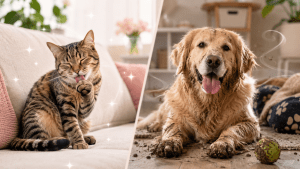
Many cats that drool during a cuddle are doing so because they are in a state of deep relaxation, purring away, often kneading with their paws, and simply so blissed out that a little saliva escapes. This behavior is widely linked to kittenhood: kittens knead and drool while nursing, and the theory is that a deeply content adult cat, being stroked and purring, slips back into that same comforting, kitten-like state, complete with the drool. It is the same instinct thought to lie behind the kneading of a blanket or a lap, a leftover of the paddling motion a kitten makes against its mother to stimulate milk. If your cat drools specifically when it is relaxed on your lap, purring and kneading, and stops when the petting stops, and is otherwise perfectly healthy, this is almost certainly the happy drool and nothing to worry about at all. In fact, many owners come to see it as a sign that their cat feels safe and loved, and grow rather fond of their cat’s particular drooly cuddle habit. The key features that mark this benign kind are that it only happens in those relaxed, positive moments, it is a modest amount rather than a stream, and the cat is entirely well in every other respect. As long as it fits that pattern, drooling when petted is a compliment, not a symptom, and there is no need to try to stop it.
It is worth adding that the amount varies a lot between individual cats. Some produce only a faint dampness at the corner of the mouth, while a few enthusiastic droolers can leave a genuinely wet patch on a lap or blanket, and both can be perfectly normal for that particular cat. What matters is that the amount is consistent with the cat’s own usual behavior in those happy moments. A cat that has always drooled a little when petted is showing you its baseline; a cat that has never done so and suddenly starts drooling heavily is showing you a change, and it is the change, rather than the drool itself, that would prompt a closer look.
Drooling over food and anticipation
A second harmless cause is the feline version of mouth-watering: some cats drool a little in anticipation of food, and while it is less common than in dogs, it does happen.
Just as a person’s mouth can water at the smell of something delicious, a cat may produce extra saliva when it knows food is coming, especially a strongly scented favorite like fish or a treat it is particularly keen on. You might notice it when opening a pouch of a beloved food, warming up something aromatic, or at a regular mealtime when the cat is eagerly waiting by its bowl, and it can be accompanied by pacing, vocalizing, or winding around your legs. This kind of drooling is tied clearly to food anticipation, is brief, and stops once the cat is eating or the food is gone, and it happens in a cat that is otherwise well and eating normally. It is worth distinguishing this positive, food-linked drool from the drooling of nausea or a mouth problem, which is not tied to happy anticipation and usually comes with other signs like a reluctance to eat, bad breath, or a cat that seems off. If the drooling only shows up around appealing food, is short-lived, and the cat then tucks in happily, it belongs in the harmless category alongside the relaxation drool. The moment drooling stops matching those positive contexts, and instead appears at random or with reluctance to eat, it moves into the territory that needs a closer look.
A simple mental test can help here. Ask yourself whether the drooling is happening because something good is going on, a cuddle, a purr, a favorite meal, or whether it has appeared for no obvious pleasant reason. Happy drooling always has a positive trigger you can point to, and it fades when that trigger passes. Drooling that you cannot tie to a good moment, that lingers, or that shows up while the cat looks uncomfortable or off its food, has crossed from the reassuring category into the one worth investigating, and that single question resolves most of the uncertainty for owners.
Dental and mouth problems
Now to the medical causes, and the single most common one is a problem inside the mouth, because dental disease is both widespread in cats and easy to miss until drooling or bad breath gives it away.
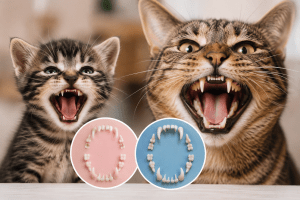
Dental and oral disease is extremely common in cats and is one of the leading medical reasons a cat drools. Gum disease, a build-up of tartar, tooth resorption, a fractured tooth, a tooth root abscess, and inflammation of the mouth and gums can all be painful, and a painful mouth often produces excess saliva and drooling. The reason this so often goes unnoticed for a while is that cats are experts at hiding pain and will keep eating through considerable dental discomfort, so drooling can be one of the first outward signs an owner actually sees. Alongside the drool, a cat with a dental problem may have noticeably bad breath, may prefer soft food or chew on one side, may drop food, paw at its mouth, or become a little withdrawn. Because these problems are painful, progressive, and treatable, drooling that comes with any hint of mouth trouble is well worth a veterinary dental check, since left alone dental disease tends to worsen rather than settle, and the discomfort only grows. Treating the underlying tooth or gum disease not only stops the drooling but relieves pain the cat has likely been quietly living with, and owners often report their cat becoming brighter, more playful, and keener on food afterward, a sign of just how much discomfort it had been masking. This is one of the clearest examples of drooling being a useful early warning that leads to a diagnosis a cat cannot tell you about directly.
If drooling comes with a refusal to eat or signs of feeling unwell, see the guides on why a cat won’t eat and why a cat is vomiting, which often share causes with mouth and nausea problems.
Nausea and stomach upset
Beyond the mouth, one of the most important causes of drooling is nausea, because just as in people, feeling sick can make a cat’s mouth water in the moments before or around vomiting.
A cat that is nauseous will often drool, salivating more as its stomach turns, and this can happen with or without actual vomiting. Nausea in cats has many possible causes, from a simple passing stomach upset or a hairball working its way up, to motion sickness in the car, to more significant issues like kidney disease, an overactive thyroid, liver problems, or certain infections, all of which can cause nausea among their signs. Some medications also cause drooling either through nausea or through a bitter taste, which is why a cat sometimes foams or drools right after being given a tablet or liquid, usually settling within a few minutes. The practical point is that drooling linked to nausea usually travels with other clues: lip-licking, repeated swallowing, a hunched or uncomfortable posture, retching, actual vomiting, or a loss of appetite. When drooling appears alongside signs like these, the cause is more likely to be nausea than a happy cuddle or a mouth problem, and the underlying reason for the nausea is what needs identifying. A one-off bout linked to an obvious trigger like a car journey may settle, but recurrent nausea and drooling, or drooling with vomiting or a cat that seems unwell, is a reason to involve your vet so the cause behind the nausea can be found.
Because nausea and mouth pain can both cause drooling around mealtimes, it helps to notice exactly what the cat does at the bowl. A cat with a sore mouth typically wants to eat, approaches the food, but then hesitates, drops it, or eats gingerly, as if it hurts. A nauseous cat is more likely to show interest and then turn away, or to sit hunched near the bowl without eating. Neither is something to diagnose at home, but describing which pattern you see gives your vet a genuine head start on telling a dental problem from a digestive one.
Bitter tastes, toxins, and poisons
One cause of sudden, dramatic drooling is important enough to flag on its own, because it can be an emergency: a cat that has tasted something bitter, irritating, or toxic.
Sudden heavy drooling can signal poisoning. A cat that has licked, bitten, or eaten something toxic, a poisonous plant, a household chemical, a human medication, an essential oil, or certain bitter substances, will often drool heavily as its mouth reacts, sometimes with foaming, pawing at the mouth, retching, or signs of feeling unwell. If you suspect your cat has been exposed to anything toxic, contact your vet or the ASPCA Animal Poison Control Center at (888) 426-4435 immediately, and try to identify what it got into.
Cats explore with their mouths and groom everything off their coat, which means they can end up tasting or swallowing things that trigger a strong salivary response. Sometimes the drooling is simply a reaction to a horrible taste, a cat that bites into a bitter pill, licks a foul-tasting flea product meant for the skin, or tastes an unpleasant plant, and drools profusely in disgust. But the same heavy drooling can be the first sign of genuine poisoning, from toxic houseplants and flowers, human medicines, cleaning products, or essential oils, which cats cannot process safely. Because the harmless bad taste and the dangerous toxin can look the same at first, sudden, profuse drooling, especially with foaming, retching, or a cat that seems unwell, should be treated as a potential poisoning until you can rule it out. Knowing what your cat may have had access to is crucial information for a vet, so a quick glance around for a chewed plant, an open pill packet, a spilled cleaner, or a knocked-over diffuser is time well spent before you call. This is one of the situations where acting quickly matters, so it is better to make the call and be reassured than to wait and watch.
A common and preventable version of this is drooling after a spot-on flea treatment. If a topical product meant for the skin ends up in the mouth, either because it was applied where the cat can reach it or because the cat groomed a housemate, the bitter taste causes dramatic drooling and foaming. Applying these products at the back of the neck where the cat cannot lick, and keeping cats apart until it dries, avoids most of these episodes. And it is worth stressing that a dog flea product used on a cat can be genuinely dangerous, not merely bad-tasting, so drooling after any flea treatment is worth a call to check you used the right thing.
Check any plant, food, oil, or product with the Cat Food & Toxin Safety Checker, and see the guides on flowers toxic to cats and essential oils and cats.
Something stuck in the mouth or throat
Another cause worth knowing is a physical one: an object caught somewhere in the mouth or throat, which can make a cat drool suddenly and paw at its face.
Cats can get things lodged in the mouth or throat, a splinter of bone, a shard of a hard treat, a piece of plant material, or, notoriously, a length of string or thread that catches around the base of the tongue. When something is stuck, a cat often drools suddenly and heavily, paws at its mouth, gags or retches, may hold its mouth oddly or refuse to eat, and can seem distressed. A string or thread caught in the mouth is particularly dangerous, and there is one firm rule: if you can see thread hanging from the mouth, never pull it, because it may be anchored deeper and pulling can cause serious internal injury. Anything stuck in the mouth or throat is a prompt veterinary matter, both because it is uncomfortable and because it can cause damage or a blockage if left, and because a frightened cat in pain may struggle if you try to handle its mouth yourself. If your cat starts drooling suddenly and is pawing at its mouth, gagging, or clearly bothered, a lodged object is a strong possibility, and rather than trying to dig around in the mouth yourself, which risks injury to you both, it is safer to get the cat to a vet who can examine and remove whatever is there safely.
Stress, travel, and overheating
A few situational causes can produce drooling that is neither a mouth problem nor a happy cuddle, and recognizing them helps you respond in the right way.
Some cats drool when they are highly stressed or anxious, and one of the most common times owners notice this is during car travel, where a combination of stress and motion sickness leads to drooling, sometimes with panting or vocalizing. A cat that only drools in the carrier or the car, and is fine at home, is usually reacting to the stress and motion of the journey, and there are ways to make travel easier, including getting the cat used to the carrier gradually, covering it with a light cloth to reduce visual stress, and, for cats that get carsick, discussing anti-nausea or calming options with your vet. Overheating is a more serious situational cause and one people underestimate in cats because cats so rarely pant. Cats do not cool themselves by panting and drooling the way dogs do, so a cat that is panting, drooling, and clearly hot and distressed may be overheating, which is a genuine emergency: it needs to be moved somewhere cool and offered water, with urgent veterinary help, since heatstroke can be life-threatening. Because open-mouthed breathing and drooling from heat or severe stress can also overlap with breathing difficulty, any cat that is panting and drooling and seems distressed rather than simply relaxed should be taken seriously and assessed rather than assumed to be fine, since a cat breathing through its mouth is never doing so casually. These situational causes are worth knowing precisely because they look different from the everyday relaxation drool and call for a different, sometimes urgent, response.
Other medical causes
Beyond the main causes, a handful of other medical issues can feature drooling, and while they are less common, they round out the picture of why a cat might salivate more than usual.
Upper respiratory infections and some viral illnesses can cause drooling, particularly calicivirus, which is known for causing painful mouth ulcers that make a cat salivate and reluctant to eat. A cat with such an infection often shows other signs too, like sneezing and runny eyes, which help point toward the cause. Problems with the salivary glands themselves, though uncommon, can lead to drooling, whether from a blockage, an infection, or a cyst that affects how saliva is produced and cleared. Neurological problems, or anything that affects a cat’s ability to swallow normally, can cause saliva to spill rather than be swallowed. Facial or jaw injuries, and even a foreign object or growth affecting the mouth, can be involved, as can something as simple as a cat having recently woken from anesthesia or sedation, which can leave it drooling briefly. The common thread is that these are all situations a vet needs to diagnose, and they usually come with other signs rather than drooling alone. The reason to mention them is not to send you hunting for rare diagnoses, since dental disease, nausea, and bad tastes cover the great majority of cases, but to reinforce the central message of this guide: drooling that is not the clear, relaxed, happy kind is a symptom worth investigating, because behind it can sit a range of treatable problems that a cat has no other way of telling you about. A cat cannot point to a sore tooth or say its stomach hurts, so the drool becomes its way of showing you. Your vet can work through the possibilities far more reliably than guesswork at home, using a proper mouth examination, and if needed bloodwork or imaging, to separate the common causes from the rare ones in a way an owner simply cannot do by looking.
When to call the vet
With causes ranging from a blissful cuddle to a genuine emergency, the useful skill is knowing which drooling to watch and which to act on, and these signs draw the line clearly.
Relaxed, occasional drooling in a happy, healthy cat, during a purr-filled cuddle or a moment of food anticipation, generally needs nothing more than appreciation. Contact your vet, though, if the drooling does not fit that happy pattern, and especially if any of the following apply. The drooling is sudden, heavy, or constant rather than a small amount in relaxed moments. It comes with bad breath, a reluctance or inability to eat, dropping food, chewing on one side, or pawing at the mouth, all of which suggest a mouth problem. There is blood in the saliva, a swollen face or jaw, or a visibly sore mouth. The drooling accompanies retching, vomiting, lip-licking, or a cat that seems nauseous or unwell. You suspect the cat has tasted or eaten anything toxic, which makes it urgent. The cat is panting and drooling and seems hot or distressed, which can mean overheating and is an emergency. Or the cat is pawing at its mouth and gagging, suggesting something stuck. When you contact the vet, describe when the drooling started, how much there is, whether it is constant or tied to certain moments, and any other signs, especially around eating and the mouth, since that context often shapes how quickly the cat needs to be seen. As ever, if you are unsure, a call for advice is the safe move, and it is better to check an unusual symptom than to wait and hope.
What to do about a drooling cat
Finally, some practical guidance on how to respond, since what you should do depends entirely on which kind of drooling you are seeing.
If your cat is doing the happy, relaxed drool, purring on your lap and dribbling a little, there is nothing to do but enjoy it, perhaps with a towel handy if you would rather keep your clothes dry. For any drooling that does not fit that contented pattern, the most useful thing you can do is observe and gather information rather than intervene in the mouth yourself: note when it started, whether the cat is eating, whether there is bad breath or blood, whether the cat is pawing at its mouth, and whether it seems otherwise well, and share that with your vet, ideally with a short note or photo so nothing is forgotten in the moment. Do not try to force the mouth open or pull at anything you see caught, since that risks injury to you and the cat, and do not give any human medicine for drooling or a sore mouth, as many human products are toxic to cats and can turn one problem into two. If poisoning or overheating is a possibility, skip the observation and go straight to urgent help, since those are the two situations where minutes genuinely matter. For the common causes like dental disease and nausea, the real fix is a veterinary diagnosis and treatment of the underlying problem, after which the drooling resolves on its own. In short, celebrate the happy drool, and for everything else, treat drooling as a helpful clue that points toward a problem worth having a vet uncover and put right. Seen that way, drooling is less a problem in its own right than a messenger: harmless when it carries good news about a content cat, and genuinely useful when it flags a mouth or stomach issue early enough to fix comfortably.
Frequently asked questions
Why is my cat drooling?
Cats drool for both harmless and concerning reasons. On the harmless side, many cats drool a little when they are deeply relaxed, purring, kneading, and content, often while being stroked, and some drool in anticipation of a favorite food. On the concerning side, drooling can be a sign of a problem in the mouth, such as dental disease or a mouth ulcer, of nausea, of something stuck in the mouth or throat, or of having tasted something bitter or toxic. The key is context: relaxed, occasional drooling in a happy, healthy cat is usually fine, while sudden, heavy, or ongoing drooling, especially with other signs, is a reason to look closer and often to call the vet.
Is it normal for cats to drool?
A little drooling can be perfectly normal, but it is far less common in cats than in dogs, so it should not simply be ignored. Some cats reliably drool when they are blissfully relaxed and purring, or when they smell food they love, and for those cats a small amount of drool in those specific happy moments is just their normal. What is not normal is drooling that appears suddenly, is heavy, is constant, or comes with bad breath, a change in eating, pawing at the mouth, or a cat that seems unwell. Because true drooling is relatively unusual in cats, new or excessive drooling is worth taking seriously rather than assuming it is nothing.
Why is my cat drooling and not eating?
Drooling combined with a reluctance or inability to eat points strongly toward a problem in the mouth or throat, and it deserves a prompt vet visit. Dental disease, a painful mouth ulcer, a broken tooth, an object such as a bone splinter or a piece of string caught in the mouth, or inflammation of the mouth and gums can all make it painful for a cat to eat and cause it to drool at the same time. Because a cat that will not eat can become unwell quickly, and because these mouth problems are treatable but need diagnosing, drooling with loss of appetite is one of the clearer signals to have your cat examined rather than waited out.
Can dental problems cause a cat to drool?
Yes, dental and mouth problems are among the most common medical causes of drooling in cats. Gum disease, tooth resorption, a tooth root abscess, and inflammation of the mouth can all be painful and cause a cat to drool, often with bad breath, a reluctance to eat hard food, chewing on one side, or pawing at the mouth. Dental disease is very common in cats and frequently underdiagnosed because cats hide pain well, so drooling can be one of the more visible clues. If your cat is drooling and has bad breath or any sign of mouth discomfort, a dental check with your vet is well worth it.
Is drooling a sign my cat is poisoned?
It can be. A cat that has licked, bitten, or eaten something bitter, irritating, or toxic will often drool heavily as the mouth reacts, so sudden, profuse drooling, especially with foaming, retching, or a cat that seems unwell, can be a warning of exposure to a toxic plant, chemical, human medication, or an essential oil, or simply a bad taste. If you have any reason to think your cat has come into contact with something toxic, do not wait: contact your vet or the ASPCA Animal Poison Control Center at (888) 426-4435 right away, and try to identify what the cat got into so they can advise properly.
Why does my cat drool when I pet it?
This is usually the happy kind of drooling and nothing to worry about. Some cats become so deeply relaxed when they are being stroked, often while purring and kneading, that they drool a little, in a throwback to the contented nursing behavior of kittenhood. For these cats, a small amount of drool during a blissful cuddle is simply a sign of how relaxed and content they are, and it tends to stop as soon as the petting does. As long as it only happens in those relaxed moments and your cat is otherwise well, drooling when petted is a compliment rather than a concern.
When should I take my drooling cat to the vet?
See your vet if the drooling is sudden, heavy, or constant rather than a small amount in happy moments, or if it comes with any of these: bad breath, a reluctance or inability to eat, pawing at the mouth, a swollen face, blood in the saliva, retching, foaming, or a cat that seems unwell, lethargic, or in pain. Suspected contact with anything toxic makes drooling urgent. Because most medical causes of drooling involve the mouth and are painful, and because a cat that stops eating can go downhill, drooling that is not clearly the relaxed, happy kind is generally worth a vet visit to find and treat the cause.
The quick version
Why is my cat drooling? If it happens only when your cat is deeply relaxed, purring and kneading on your lap, or briefly at the smell of a favorite food, and the cat is otherwise well, it is almost always the harmless happy drool and a sign of contentment. What is not normal is drooling that is sudden, heavy, or constant, or that comes with bad breath, a change in eating, pawing at the mouth, blood, retching, or a cat that seems unwell, all of which point to a mouth or dental problem, nausea, a bad taste or toxin, or something stuck. Since cats are not natural droolers, treat the non-happy kind as a clue worth a vet visit.
For related signs, see the guides on why a cat won’t eat, why a cat is vomiting, and why a cat keeps sneezing. Check plants and products with the Cat Food & Toxin Safety Checker, see the Cat Vaccination & Wellness Schedule, browse the full cat blog and the pet calculators, or explore more free tools on the Waldev homepage.
Medical disclaimer: This guide is for general education and is not a substitute for veterinary advice, diagnosis, or treatment. Drooling can have many causes, some serious, and only a veterinarian who examines your cat can diagnose the reason. If your cat’s drooling is sudden, heavy, or comes with other signs of illness, or if you suspect poisoning or overheating, contact your veterinarian without delay. For suspected poisoning you can also call the ASPCA Animal Poison Control Center at (888) 426-4435.
Dental disease is common in cats and a frequent cause of drooling; regular checks help. Pet owner resources →
If sudden drooling makes you suspect poisoning, the ASPCA Animal Poison Control Center is available 24/7. Animal Poison Control →