How can I teach my cat to use the toilet? It is an appealing idea, no litter box, no scooping, no litter tracked across the floor, and it can technically be done through slow, gradual training. But before you start, there is an important caveat that this guide is honest about: most vets and cat behaviourists actually advise against toilet training, because it works against a cat’s instincts, removes a key way to spot illness early, and can be risky or stressful for the cat. This guide explains exactly how toilet training is done, lays out the real downsides so you can make an informed choice, and then covers the approach experts recommend instead, setting up and training your cat to use a litter box happily.
The litter box is the recommended default. See the complete litter box guide, monitoring health through urine, and cleaning up accidents, and explore more on the Waldev homepage.
On this page
The appeal, and the honest caveat
It is easy to see why toilet training a cat is such a tempting idea, and it is worth acknowledging that appeal honestly before explaining why, on balance, most experts steer owners away from it.
The attraction is obvious and understandable. A cat that uses the human toilet would mean no litter box to buy litter for, scoop daily, and change; no litter tracked across the floor; no litter box smell; and no unsightly tray in the bathroom or utility room. For owners who find litter boxes messy, smelly, expensive, or inconvenient, the notion of a cat simply using the toilet like a person is genuinely appealing, and viral videos of toilet-using cats reinforce the idea that it is a clever, tidy solution. So the desire to toilet train is completely reasonable, and this guide takes the question seriously and will explain exactly how it is done. However, honesty requires leading with the important caveat: the consensus among veterinarians and cat behaviourists is that toilet training is generally not in a cat’s best interests, and many actively recommend against it. The reasons, explored in detail below, come down to a cat’s natural instincts, its health, its safety, and practical realities, and together they mean that the tidy convenience for you can come at a real cost to your cat. That does not make it your decision alone any less valid to explore, but it does mean an informed choice should weigh the downsides seriously rather than being swayed only by the convenience. So consider this guide both a how-to and, more importantly, a why-you-might-not, so you can decide with the full picture in front of you.
How toilet training is done
For those who want to understand the method, whether to attempt it or simply to know what it involves, toilet training a cat is a gradual, multi-week process of slowly transitioning the cat from a litter box to the toilet, and it must be done in patient stages.
The standard approach moves in small steps, only progressing when the cat is fully comfortable at each stage. First, the litter box is moved right next to the toilet so the cat gets used to going there. Over the following days and weeks, the box is gradually raised, using stable platforms such as sturdy boxes or books, a little at a time until it sits at the height of the toilet seat, teaching the cat to jump up to reach it. Next, the raised box is moved so it sits on top of the closed toilet lid, so the cat learns to hop up onto the toilet itself to use the box. Then the box is replaced with a special toilet-training tray or bowl that fits under the raised toilet seat and holds a small amount of flushable litter, so the cat now perches on the seat and eliminates into the tray. From there, with training kits designed for the purpose, the amount of litter is gradually reduced and a hole in the centre of the tray is progressively enlarged over stages, so the cat learns to balance with its paws on the seat and eliminate directly into the water below, getting used to the shrinking litter and growing hole. Finally, once the cat is confidently balancing and going into the water, the tray is removed altogether and the cat uses the bare toilet. Throughout, each step should be slow and only advanced when the cat is settled, and any stress, reluctance, or accidents mean going back a step or pausing; the whole process can take many weeks, requires real patience, and, importantly, not every cat can or will complete it. So the method is a careful, gradual escalation from litter box to toilet, but as the next sections explain, whether it should be done at all is another question.
Why it goes against instinct
The first and most fundamental reason experts are wary of toilet training is that it asks a cat to abandon one of its deepest natural behaviours, so understanding this instinct explains a lot about why toilet training can be problematic.
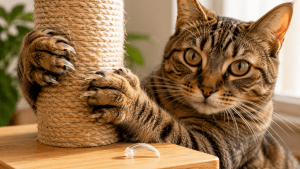
Cats have a powerful, innate instinct to eliminate in a loose substrate and then to dig and bury their waste. In the wild, cats scratch a hole in soil or sand, relieve themselves, and cover it over, both to keep their living area clean and, importantly, to hide their scent from potential predators and rivals, and this burying behaviour is deeply ingrained and begins naturally in kittenhood without being taught. A litter box satisfies this instinct perfectly, giving the cat a substrate to dig in and cover its waste, which is exactly why litter training is usually so easy: it works with the cat’s nature. A toilet, by contrast, offers none of this. The cat cannot dig, cannot bury, and cannot cover its waste; it must simply balance over open water and eliminate, which is entirely foreign to its instincts. For many cats this is unnatural and can be a source of stress and frustration, denying them a behaviour they are strongly driven to perform. Some cats never accept it at all, and even those that learn to use the toilet are doing something that runs counter to their nature. This instinctual mismatch is the root of several of the other problems, the stress, the potential for aversion and accidents, because you are asking the cat to override a fundamental, hardwired behaviour. So the first strike against toilet training is simply that it fights the cat’s instinct to dig and bury, whereas a litter box honours it, which is a large part of why behaviourists consider the litter box the more natural and welfare-friendly option.
Losing a health-monitoring tool
Perhaps the most compelling practical argument against toilet training, and the one vets stress most, is that it takes away a valuable, everyday means of monitoring a cat’s health, which can lead to illness being spotted later than it should be.
A cat’s litter box is, in effect, a daily health report. When you scoop a litter box, you regularly see and assess your cat’s urine and stool, and changes in them are often the earliest and clearest signs of illness. The size and number of urine clumps tell you whether the cat is urinating more or less than usual; blood in the urine, or a cat straining and producing only tiny amounts, can reveal urinary tract disease, cystitis, or a dangerous blockage; changes in stool, diarrhoea, constipation, blood, or unusual frequency, flag digestive or other problems; and shifts in overall output can point to kidney disease, diabetes, and more. Because cats hide illness so well, these litter-box clues are frequently the first hint that something is wrong, giving you the chance to seek veterinary help early. Toilet training removes this window almost entirely: when a cat eliminates directly into toilet water, its urine is diluted and dispersed and its stool drops into the bowl, making it far harder, often impossible, to notice the amount, appearance, blood, straining, or changes that a litter box reveals at a glance, and any waste is typically flushed away unexamined. As a result, urinary, kidney, digestive, and other conditions can progress further before they are noticed. For a species that conceals sickness by nature, losing this simple, passive monitoring is a genuine health disadvantage, and it is a key reason many vets advise keeping cats on a litter box, so that the daily scoop continues to serve as an early-warning system for illness.
Physical risks and practical problems
Beyond instinct and health monitoring, toilet training carries some concrete physical risks and everyday practical drawbacks that add to the case against it, particularly for certain cats and households.
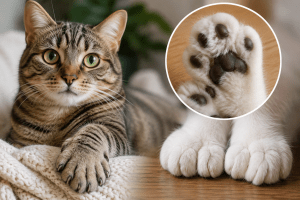
Physically, balancing on a toilet seat is not easy or safe for every cat. Kittens, elderly cats, and cats that are overweight, arthritic, or have any mobility or joint problems can struggle to jump up and perch on the seat, and there is a real risk of a cat slipping and falling into the toilet bowl, which is frightening, can cause injury, and often creates a lasting aversion to the toilet (and sometimes to toileting generally). Even an agile cat can have an accident. Practically, toilet use is inconvenient and unreliable in many homes. The toilet must be kept available whenever the cat needs it, meaning the lid up and the bathroom door open at all times, which many households cannot or do not want to maintain, and if the lid is down, the door shut, or the bathroom occupied when the cat needs to go, the cat has nowhere acceptable to relieve itself and may have an accident elsewhere. Toilet training also tends not to work well in multi-cat homes, where sharing a single toilet is impractical and the instinctual conflicts are multiplied. And the training process itself, and the unnatural end result, can stress some cats into developing litter-box or toilet aversion and eliminating around the house. Taken together with the instinctual and health concerns, these physical risks (especially to vulnerable cats) and practical failures (lids, doors, multi-cat homes, occupied bathrooms) mean toilet training can create as many problems as it solves, which is why a reliable, always-available litter box is generally the more dependable and cat-friendly arrangement.
The expert verdict
Pulling the concerns together gives a clear overall verdict, and it is worth stating plainly so that anyone weighing up toilet training can see where the balance of expert opinion lands.
The considered view of most veterinarians and cat behaviourists is that toilet training is generally not recommended, and that a clean, well-managed litter box is the healthier, safer, more natural choice for the great majority of cats. The reasons stack up: toilet training overrides the cat’s strong natural instinct to dig and bury its waste, causing potential stress; it removes the litter box’s role as an early-warning system for illness, so urinary, kidney, and digestive problems may be missed; it poses a physical risk of falling and is especially unsuitable for kittens, senior, overweight, or arthritic cats; and it is impractical or unworkable in many real households and multi-cat homes, with the potential to cause aversion and accidents. Against all this, the only real benefit is convenience for the owner, no litter to buy, scoop, or clean up, which, while understandable, does not outweigh the welfare and health costs for the cat. This does not mean toilet training is impossible or that no cat has ever done it happily; some cats are trained successfully. But the honest, informed conclusion, and the one this guide recommends, is that for most cats and most homes, the drawbacks make toilet training a poor trade, and that the better path is to make peace with a litter box and set it up and maintain it well, which is easy for the cat and keeps its health visible. The rest of this guide focuses on doing exactly that.
Litter training instead
Since a litter box is the recommended approach, the good news is that litter training a cat is usually easy and works with, rather than against, the cat’s instincts, so it is far simpler than toilet training and much better for the cat.
Because cats have such a strong natural drive to use a loose substrate and bury their waste, litter training is mostly a matter of providing a good box and gently guiding the cat, and most cats essentially train themselves. For a kitten (which can start using litter from around three to four weeks old) or a newly-arrived adult cat, set up an appropriate box: choose one with low sides a kitten or older cat can easily climb into, fill it with a couple of inches of a fine, soft, unscented litter that cats generally prefer, and place it in a quiet, easily accessible, low-traffic spot away from the cat’s food and water. Introduce the cat to the box by gently placing it in there so it feels the litter, especially at the times cats commonly need to go, after meals, on waking, and after play, and most cats will begin digging and covering instinctively almost at once. Reward the cat with calm praise when it uses the box, and crucially never punish accidents, which only creates fear; instead, clean any accident thoroughly with an enzyme cleaner to eliminate the scent (so the cat is not drawn back to re-use the spot), and check that the box itself is clean, accessible, and correctly set up, since the great majority of ‘training’ failures are really problems with the box rather than the cat. It helps to keep a new cat in a smaller area at first with its box close by, to establish the habit before giving it the run of the home, and in multi-cat households to provide one box per cat plus one extra. With a suitable, clean, well-placed box that works with the cat’s instincts, litter training is quick and easy for almost every cat, which is exactly why it is the sensible, welfare-friendly default over toilet training.
If a cat won’t use its box
Sometimes a cat stops using, or refuses to use, its litter box, and because this is both a common worry and a potential health signal, it is important to know how to approach it, starting with ruling out illness.
When a cat will not use its litter box, the cause is usually either a medical problem or something about the box or environment, and because a sudden refusal can indicate illness, a vet check is a wise first step. Medically, urinary tract infections, bladder inflammation (cystitis), crystals or stones, kidney disease, diabetes, and arthritis (which can make climbing into a box painful) can all lead to box-avoidance, and a cat, especially a male, that is straining with little or no urine is a medical emergency needing immediate care. Once health issues are excluded, examine the setup, where most fixable causes lie: a dirty box (cats are very clean, so scoop at least daily), too few boxes (provide one per cat plus one), a poor location (too busy, noisy, near food and water, or hard to reach), a box the cat dislikes (wrong size or type, covered when it prefers open or vice versa), a litter it does not like (many cats prefer fine, unscented litter and reject scented or coarse types), or high sides that an older or stiff cat cannot manage. Stress and changes in the household can also trigger box-avoidance. The fixes follow from the causes: after a vet has ruled out illness, ensure a clean, appealing, accessible box of a type and litter the cat likes, enough boxes in good, separate locations, thorough enzyme cleaning of any soiled spots, reduced stress, and absolutely no punishment. Approached this way, first medical, then setup, the large majority of litter-box problems can be resolved, restoring reliable, stress-free toileting.
Going back to a litter box
Finally, it is reassuring to know that litter use is flexible and that even a toilet-trained cat can readily return to a litter box, which is relevant both if toilet training does not work out and as a further point in the litter box’s favour.
A cat that has been toilet trained can be put back on a litter box without difficulty, and sometimes this is genuinely necessary. If a toilet-trained cat becomes elderly, arthritic, overweight, or unwell and can no longer safely balance on the toilet seat, or if it develops a health problem whose monitoring requires you to see its urine and stool, or if it starts having accidents or shows aversion, the sensible response is simply to reintroduce a proper litter box in a good location. Because using litter aligns with the cat’s natural instinct, most cats revert to it readily, drawing on the very behaviour toilet training asked them to suppress, which is one reason some owners who do toilet train keep a box available or in mind as a fallback. It is also worth noting how outdoor access fits in: some cats with access to a garden will toilet outdoors, digging and burying in soil as instinct dictates, and some owners rely partly on this, but an indoor litter box remains important as a backup for bad weather, illness, or times the cat is kept in, and it preserves your ability to monitor the cat’s health and avoids fouling neighbours’ gardens. (Pregnant women and immunocompromised people should take care with cat faeces wherever it is passed, because of the Toxoplasma risk.) The broader message is that the litter box is a flexible, reversible, always-available, health-friendly solution: a toilet-trained cat can go back to it, an outdoor cat still benefits from it, and for most cats and homes it remains, as the experts advise, the recommended and kindest default over toilet training.
Frequently asked questions
How can I teach my cat to use the toilet?
Cat toilet training is done gradually, over weeks, by slowly moving and transitioning the cat from a litter box to the toilet, but be aware that many vets and behaviourists advise against it for welfare reasons (covered below). If you do attempt it, the usual method is: first move the litter box right next to the toilet, then gradually raise it over days until it is level with the toilet seat; next, move the box on top of the (closed) toilet lid so the cat learns to jump up; then replace the box with a special toilet-training tray or bowl that sits under the raised seat, filled with a flushable litter, and gradually reduce the litter and, with kits designed for it, gradually enlarge a hole in the tray so the cat learns to balance on the seat and eliminate into the water below; finally remove the tray altogether. Each step must be slow, only progressing when the cat is comfortable, and any sign of stress or accidents means slowing down or stopping. It takes patience and not every cat can or will do it. However, before starting, weigh the significant downsides, most experts consider a litter box healthier and more natural, so many recommend not toilet training cats at all.
Should I toilet train my cat? Is it a good idea?
Most veterinarians and cat behaviourists advise against toilet training cats, so for the welfare of your cat it is generally not recommended, despite its appeal to owners who dislike litter boxes. The concerns are significant. Toilet training goes against a cat’s natural instinct to dig and bury its waste in a substrate, which is a normal, deeply-ingrained behaviour, so using a bare toilet is unnatural and can be stressful. It removes a key health-monitoring tool: litter lets you see changes in urine and stool (amount, blood, straining, diarrhoea, frequency) that are often the first sign of illness, whereas waste flushed away or in toilet water is much harder to monitor, so problems like urinary or kidney disease may be missed. Balancing on a toilet is difficult or risky for kittens, elderly, overweight, or arthritic cats, and cats can fall in. It can cause stress, accidents, and litter-box aversion, and it does not suit multi-cat homes or households where the toilet lid may be left down. For these reasons, a clean litter box is considered healthier, safer, and more natural. So while toilet training is possible, the balance of expert opinion is that it is usually not a good idea, and a well-managed litter box is the better choice for your cat.
What are the risks and downsides of cat toilet training?
There are several real downsides that lead many experts to recommend against toilet training cats. It suppresses natural behaviour: cats instinctively dig and bury their waste, and a toilet denies them this, which can be stressful and frustrating. It hampers health monitoring: a cat’s litter is a valuable window into its health, since changes in urine or stool (blood, straining, frequency, diarrhoea, volume) often signal illness early, and eliminating into toilet water hides these clues, so conditions like urinary tract disease, kidney problems, or diabetes may go unnoticed longer. It poses physical risk: balancing on a toilet seat is hard for kittens, senior cats, and those that are overweight or arthritic, and cats can slip and fall into the toilet, which is frightening and can cause injury or aversion. It can cause behavioural problems: the stress and difficulty can lead to litter-box (or toilet) aversion and to accidents elsewhere in the home. It is impractical in many households: it fails in multi-cat homes, when the lid is left down or the door closed, and if the cat ever needs to relieve itself when the bathroom is occupied. And training itself can stress some cats. Taken together, these downsides are why a clean, well-placed litter box is generally considered better for a cat’s welfare than toilet training.
How do I litter train a kitten or new cat?
Litter training is usually easy because cats have a strong natural instinct to use a litter substrate, so it is mostly about setting things up well and gently guiding the cat. For a kitten (from around three to four weeks old) or a new cat, provide an appropriate litter box: a low-sided box a kitten can easily climb into, filled with a couple of inches of a fine, unscented litter cats like, placed in a quiet, accessible, low-traffic spot away from food and water. Show the cat the box by placing it in there, especially after meals, on waking, and after play (common times cats need to go), and let it feel the litter; most cats quickly take to it and begin digging and covering instinctively. Reward and praise (calmly) when the cat uses the box, and never punish accidents, instead, clean accidents thoroughly with an enzyme cleaner to remove the scent (so the cat is not drawn back to the spot), and make sure the box is clean, accessible, and correctly set up, since most ‘training’ problems are really setup problems. Keep a new cat initially in a smaller area with its box nearby to build the habit. Provide one box per cat plus one in multi-cat homes. With a suitable, clean, well-placed box, the great majority of cats litter train themselves with minimal effort.
Why won’t my cat use the litter box, and how do I fix it?
When a cat will not use its litter box, the cause is usually either a health problem or something about the box setup, and importantly a sudden refusal can signal illness, so a vet check is wise first. Medically, urinary tract infections, cystitis, crystals or stones, kidney disease, diabetes, or arthritis (making the box hard to enter) can all cause box-avoidance, and a cat straining with little urine, especially a male, is an emergency. Once health is ruled out, look at the setup, the most common fixable causes: a dirty box (cats are fastidious, scoop daily), too few boxes (use one per cat plus one), a poor location (too busy, noisy, near food, or hard to reach), a box the cat dislikes (wrong size, covered when it prefers open, or vice versa), a litter the cat does not like (many prefer fine, unscented litter), or a box with high sides an older cat struggles with. Stress and changes in the home can also cause it. To fix it: ensure a clean, appealing, accessible box of the right type and litter, enough boxes in good locations, clean any accidents with enzyme cleaner, reduce stress, and never punish the cat. So rule out illness with a vet, then correct the setup, and most litter-box problems resolve.
Can toilet-trained cats go back to a litter box, and what about outdoor toileting?
Yes, a toilet-trained cat can be returned to a litter box, and doing so is sometimes necessary, for example if the cat becomes unwell, elderly, or arthritic and can no longer safely balance on the toilet, if a health issue means you need to monitor its urine and stool, or if it develops aversion or accidents. Simply reintroduce a proper litter box in a good location and the cat will usually revert to using litter, drawing on its natural instinct; this is one reason some people who toilet train keep the option in mind. As for outdoor toileting, some cats with outdoor access will relieve themselves in the garden or soil, using their instinct to dig and bury, which some owners rely on instead of or alongside a litter box; however, an indoor litter box is still important as a backup, for bad weather, illness, or if the cat is kept in, and it also lets you monitor the cat’s health and avoids fouling neighbours’ gardens. Note that pregnant women and immunocompromised people should take care with cat faeces (Toxoplasma risk) whether in a box, toilet, or garden. So litter box use is flexible and reversible, a toilet-trained cat can go back to litter, outdoor cats still benefit from an indoor box, and the litter box remains the recommended default for health monitoring and welfare.
Is it hygienic or safe to have a cat use the human toilet?
There are hygiene and practical concerns with cats using the human toilet, which add to the welfare reasons many experts advise against toilet training. Hygiene-wise, a cat balancing on the toilet seat can leave germs, litter, or mess on the seat that people then contact, and cat faeces can carry Toxoplasma gondii, a parasite of particular concern for pregnant women and immunocompromised people, so shared use of the toilet raises some contamination considerations. Practically, the toilet must be left available, lid up, door open, which is inconvenient and means the cat cannot go if the bathroom is in use or the lid is down, and it removes the ability to monitor the cat’s waste for signs of illness. There is also the safety issue of cats, especially kittens, seniors, or unwell cats, slipping and falling in. And flushing cat waste itself carries environmental concerns (Toxoplasma entering waterways), which is a reason not to flush litter and a complication of toilet use. For all these reasons, a properly maintained litter box, scooped daily and kept clean, is generally considered the more hygienic, safer, and healthier option overall. So while some owners do toilet-train cats, the hygiene, safety, health-monitoring, and welfare balance favours a clean litter box for most households and cats.
The quick version
How can I teach my cat to use the toilet? It is done gradually over weeks, move the litter box next to the toilet, raise it to seat height, then onto the lid, then swap for a toilet-training tray under the seat filled with flushable litter, and slowly reduce the litter while enlarging a hole until the cat balances on the seat and goes into the water, then remove the tray. BUT most vets and behaviourists advise against toilet training, and this guide honestly recommends against it for most cats. Why: it fights the cat’s strong instinct to dig and bury (stressful); it removes the litter box’s role as an early illness-detector (you can no longer see changes in urine and stool that signal urinary, kidney, or digestive disease); it risks kittens, senior, overweight, or arthritic cats falling in; and it fails when the lid is down, the door shut, the bathroom busy, or in multi-cat homes. Instead, use a litter box, litter training is easy because it works with the cat’s instincts: a low-sided box, fine unscented litter, a quiet spot away from food, gentle guidance, praise not punishment, and one box per cat plus one. If a cat stops using its box, see a vet first (illness), then fix the setup.
For the recommended approach, see the complete litter box guide, monitoring your cat’s health through its urine, and cleaning up accidents properly. Browse the full cat blog, the pet calculators, and more free tools on the Waldev homepage.
Note: This guide is for general education. Most veterinarians and cat behaviourists advise against toilet training cats because it suppresses natural behaviour, removes a key health-monitoring tool (changes in urine and stool that flag illness), risks falls (especially for kittens, senior, overweight, or arthritic cats), and fails in many households. A clean litter box is generally healthier and safer. A cat that suddenly stops using its box, or is straining with little or no urine (a possible emergency, especially in males), should be seen by a vet. Pregnant and immunocompromised people should take care with cat faeces (Toxoplasma).
Experts generally recommend litter boxes over toilet training, as litter suits cats’ instincts and reveals health changes. Pet owner resources →
Sudden litter-box avoidance or straining to urinate can signal illness and needs a vet. Locate a hospital →