What scents do cats hate? Because a cat’s sense of smell is many times sharper than ours, the odours that are merely strong to us can be genuinely overwhelming to them, and cats have some clear dislikes, citrus above all, along with mint, eucalyptus, strong herbs and spices, vinegar, and coffee. These aversions can be turned into gentle, humane deterrents to keep cats off gardens, furniture, or surfaces, but only when used safely, and the biggest safety issue is that many essential oils are toxic to cats. This guide covers the smells cats hate and how to use them safely, why cats are so scent-sensitive, the scents around your home to be careful with, and, on the happier side, the scents cats absolutely love.
Many scented products can harm cats. See which essential oils are safe (and toxic), dangerous household products, and explore more on the Waldev homepage.
On this page
Why cats are so scent-sensitive
To understand why certain smells bother cats so much, it helps to start with just how powerful and important a cat’s sense of smell is, because their aversions are a direct consequence of a nose far more capable than our own.
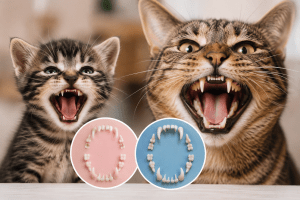
A cat’s sense of smell is dramatically more sensitive than a human’s, with many times more scent receptors in the nose, and smell is one of the primary ways cats understand and navigate the world. On top of the nose itself, cats have a second scent-detecting structure, the vomeronasal or Jacobson’s organ, located in the roof of the mouth, which lets them effectively ‘taste’ scents; this is why a cat sometimes stands with its mouth slightly open in a curious grimace (the ‘flehmen response’) when it encounters an especially interesting or strong smell, drawing the scent up to that organ for analysis. It looks a little like a grimace or a sneer, but it is simply the cat examining a scent in fine detail, something it does with anything from another cat’s marking to a new smell on your shoes. Cats depend on smell for a great deal: hunting and finding food, detecting danger, communicating and marking territory with scent, and recognising other cats, their environment, and their favourite people. Their world is layered with scent information we are largely oblivious to. The direct consequence of this acute sense is that strong odours affect cats far more intensely than they affect us, so a smell that we find merely noticeable, or even pleasant, can be overpowering and genuinely unpleasant to a cat, and very pungent or concentrated scents can truly bother them. It is a useful thing to keep in mind whenever you spray, diffuse, or clean near a cat, since what smells faint to you may fill the room for your cat. Giving the cat the freedom to leave a scented room is one of the simplest kindnesses you can offer its sensitive nose. This sensitivity is the foundation of everything else in this guide: it is why particular strong smells act as deterrents, why cats are drawn powerfully to certain attractant scents, and, importantly, why you should be careful not to overwhelm a cat’s remarkable nose with intense or, worse, toxic fragrances.
Citrus: the smell cats hate most
If there is one scent that tops almost every list of smells cats dislike, it is citrus, so it deserves first place and a closer look at why it is such a reliable feline turn-off.
The smell of citrus fruits, oranges, lemons, limes, and grapefruit, is one of the most consistently disliked by cats, and it is probably the single most commonly recommended natural scent deterrent for keeping cats away from places you would rather they avoided. Most cats find the sharp, strong citrus odour genuinely off-putting and will steer clear of areas that smell strongly of it. This makes citrus a handy, safe, and easily available tool: placing fresh orange, lemon, or other citrus peels in a spot you want to protect, such as a garden bed, a corner being used as a toilet, or a surface the cat keeps jumping on, will often discourage the cat, as can a citrus-scented spray in the area. The great advantage of using the fruit and peel form is that it is safe: the natural peel and its scent deter cats without harming them. It is worth drawing a sharp distinction here, however, between citrus fruit and peel, which are a safe deterrent, and citrus essential oils, which are concentrated and toxic to cats and should not be used on or around them. So while the smell of citrus is a cat’s classic dislike and a genuinely useful deterrent, stick to the safe form, actual peels or a light citrus scent, rather than concentrated citrus oils, and you have one of the simplest and most reliable humane ways to keep cats out of a particular area. Refreshing the peels every few days keeps the scent strong enough to work, as dried-out peel quickly loses its deterrent power.
Other smells cats hate
Beyond citrus, there is a whole range of other smells that many cats dislike, and knowing the full list gives you both more deterrent options and a better sense of what might be bothering a cat in your home.
A number of strong scents commonly feature on the list of smells cats hate. Mint, menthol, and eucalyptus are widely disliked (and note that concentrated forms and their oils can also be harmful, so favour mild exposure over oils). Many strong herbs put cats off, including rosemary, thyme, and especially rue, and lavender is often disliked too. Strong spices are frequent offenders: pepper, cayenne, chilli, cinnamon, and mustard all have pungent odours cats tend to avoid (and cayenne or pepper can irritate, so they should be used carefully and never where a cat will get them in its eyes or nose directly). Vinegar, with its sharp acidic smell, is disliked by many cats and doubles as a cleaning agent, making diluted vinegar a popular surface deterrent. The smell also disappears as the vinegar dries, so it deters the cat without leaving a lasting odour that would bother the people in the home. Coffee grounds and the smell of coffee are off-putting to many cats (note that coffee itself is toxic to cats if eaten, so used grounds as a scent should be kept where the cat will not ingest them). Pungent foods like onion and garlic are disliked (and are also toxic to eat). Some cats dislike the smell of banana, and certain strong floral or herbal scents. Strong-smelling cleaning products and, above all, many essential oils are aversive too, with oils carrying the serious toxicity caution covered next. Across this list, the common thread is that these are strong, sharp, or pungent odours that a cat’s sensitive nose finds unpleasant, which is exactly what makes some of them useful, in safe forms, as deterrents.
Essential oils: dislike and danger
One category demands its own section and a strong warning, because it sits at the dangerous intersection of scents cats dislike and scents that can seriously harm them: essential oils.
It is true that cats tend to dislike the strong smell of many essential oils, and for that reason they are sometimes suggested as deterrents, but this is where dislike meets real danger, because many essential oils are toxic to cats. The reason is biological: cats lack certain liver enzymes (particularly those in the glucuronidation pathway) needed to safely process and eliminate compounds found in many essential oils, so substances that a human body clears easily can build up to toxic levels in a cat. Cats can be poisoned by essential oils through ingestion (including licking oil off their fur or paws), through skin absorption, and through inhaling diffused oils, especially in poorly-ventilated spaces, and effects can range from drooling, vomiting, and unsteadiness to tremors, breathing difficulty, liver damage, and, in severe cases, death. Oils frequently identified as especially hazardous to cats include tea tree (melaleuca), citrus oils, peppermint, eucalyptus, cinnamon, pine, wintergreen, pennyroyal, clove, and others. Because of all this, essential oils should not be used as cat deterrents, on the cat, its bedding, or its environment, and oil diffusers should be avoided or used with great caution and good ventilation in a home with cats, ensuring the cat can always leave the area. If you want to use a disliked scent to deter a cat, choose a demonstrably safe form such as fresh citrus peel or diluted vinegar rather than any concentrated oil. The safe forms give you the deterrent effect of the smell without any of the toxic risk that makes the oils so dangerous. There is simply no good reason to reach for an oil when a bowl of orange peel does the job safely. And if you ever suspect your cat has been exposed to or has ingested a toxic essential oil, treat it as urgent and contact your vet or a pet poison helpline straight away. In short, the very oils whose smell cats dislike are among the most dangerous scented products you can have around a cat, so dislike is not a reason to use them, it is a reason to keep them well away.
Using scents as safe deterrents
With the safety picture clear, the practical question is how to actually use scents cats dislike to keep them away from particular places, humanely and without risk, which comes down to choosing safe scents and using them thoughtfully.
Scent deterrents are a kind, non-harmful way to discourage a cat from a garden bed, a piece of furniture, a surface, or a corner, provided you stick to safe scents and sensible methods. The safest and most popular choice is citrus: scatter fresh orange or lemon peels in the area, or use a light citrus-scented spray, to make the spot smell unappealing without any danger to the cat. Diluted vinegar wiped on a surface (not on the cat) is another safe option that many cats avoid, and it cleans at the same time. Coffee grounds or certain disliked herbs can be used in a garden, kept where the cat will not eat them. The essential rules for humane, safe use are simple but important: never use a toxic deterrent (above all, no essential oils on or around the cat), never contaminate the cat’s food, water, or litter area with a deterrent scent, and never use a smell in a way that traps or overwhelms the cat, always leave it able to move away to fresh air. Refresh deterrents regularly, since peels dry and sprays fade, especially outdoors. And, crucially, pair the deterrent with a positive alternative: make the place you want the cat to avoid less appealing while giving it a genuinely attractive option elsewhere, a better scratching post, a nicer resting or toileting spot, so the cat is guided to a good choice rather than simply blocked and frustrated. Used this way, safe scent deterrents become one helpful, humane part of gently steering a cat’s behaviour.
Scented products to be careful with
Turning from deliberate deterrents to everyday life, it is worth being aware of the scented products around a typical home that can bother or even harm a cat, because protecting a cat’s sensitive nose and health is part of good care.
Several common household scents deserve caution, mostly on grounds of toxicity or irritation rather than simple dislike. Top of the list, again, is essential oils and oil-based products: many are toxic to cats, so oils, diffusers, and oil-containing products should be avoided or used with real care, never applied to the cat or placed where it will lick, walk through, or heavily inhale them. Strong cleaning products and disinfectants can irritate or harm cats, and some are specifically dangerous, notably phenol-based disinfectants (the kind that turn cloudy or milky when added to water), which are particularly toxic to cats, so it is wise to use pet-safe cleaners, rinse treated surfaces, and ventilate well before letting the cat back. Cats are especially vulnerable to phenols because of the same liver-enzyme limitation that makes essential oils dangerous, so this is not a small precaution but a genuine safety measure. Air fresheners, plug-in scents, scented candles, incense, and strong perfumes can irritate a cat’s sensitive airways and are best used sparingly with good ventilation, always leaving the cat free to move to fresher air. Some potpourri, particularly liquid potpourri, and certain other scented products can be toxic if ingested. And separately from scent, many popular plants and flowers are toxic to cats regardless of how they smell. The overall message is that a cat’s world of smell is not just a matter of preference, some scented products can genuinely harm it, so choosing pet-safe options, keeping toxic items out of reach, and ventilating well safeguards your cat’s health as well as its comfort. When you want a scent to deter a cat, keep to the safe options above rather than reaching for anything in this cautionary group.
Scents cats love
For all their dislikes, cats also have scents they adore, and turning to these is a much happier subject, as well as a practical one, since attractant scents are wonderful for enrichment and for making spaces appealing.
The most celebrated cat-loved scent is catnip. Catnip contains a compound called nepetalactone that triggers a euphoric, playful, rolling, blissful reaction in many cats, and it is widely used in toys, sprays, and treats to delight and stimulate them (interestingly, a genetic minority of cats do not respond to it at all, which is perfectly normal). Beyond catnip, several other plants act as powerful, safe cat attractants: silver vine, which many cats find even more compelling than catnip and which works on some cats that catnip does not; valerian root, whose scent many cats love and find stimulating; and Tatarian honeysuckle, another attractant that appeals to lots of cats. These are all excellent, safe ways to enrich a cat’s environment, encourage play and exercise, and make scratching posts or beds more appealing. Cats are also strongly drawn to the familiar scent of their favourite people, finding our smell comforting and reassuring, which is exactly why they love to curl up on our worn clothes, in our beds, and against us. A piece of your unwashed clothing left in a cat carrier or a new bed can genuinely help a nervous cat settle, because your scent signals safety to it. Food smells attract them too, the aroma of cooked meat or fish can bring a cat running, and, as a curiosity, some cats are fascinated by olives, which contain a compound chemically similar to catnip’s, reacting to them much as they do to catnip. It is why you may find a cat batting an olive around the floor or trying to steal one from a plate, behaviour that surprises many owners until they learn the reason. So while sharp citrus and pungent smells send cats away, catnip, silver vine, valerian, honeysuckle, your own familiar scent, and tasty food aromas draw them in, and the attractant plants in particular are a delightful, safe tool for keeping a cat happy and engaged.
Catnip, silver vine, and valerian
Because the cat-attractant plants are such a useful and enjoyable counterpart to the scents cats hate, they are worth a little more detail, both to make the most of them and to use them sensibly.
Catnip is the best known, and for good reason: a large proportion of cats respond to its nepetalactone with a burst of euphoric play, rolling, rubbing, and general delight, typically for several minutes before the effect wears off and they become temporarily immune for a while. After that cooling-off period, usually an hour or two, the cat can respond to it again, which is why offering catnip occasionally rather than constantly keeps the reaction lively. It is safe and non-addictive, and it is a great way to encourage a lazy cat to play and exercise or to make a new scratching post or bed attractive. Silver vine is a fantastic alternative and, for many cats, even more effective, importantly, it works on a good share of cats that do not react to catnip, so it is well worth trying if your cat is a catnip non-responder. For the roughly one in three cats that shrug at catnip, silver vine can be a delightful discovery that finally unlocks that playful, blissful response. Valerian root and Tatarian honeysuckle round out the main attractants, each appealing strongly to many cats. Because individual cats respond differently, and some to one plant but not another, having a couple of these on hand lets you find what delights your particular cat. Practical tips: offer these attractants in moderation as an occasional treat and enrichment rather than constantly (which keeps the response strong), use them to channel behaviour positively, for instance rubbing catnip or silver vine on a scratching post to draw the cat away from the furniture, and choose good-quality products. Used this way, the attractant plants are the cheerful flip side of scent-based cat management: where disliked smells gently push cats away from where you do not want them, these loved scents happily draw them toward where you do, all safely and to the cat’s evident enjoyment. Between the two, a thoughtful owner has a gentle, scent-based toolkit for shaping where a cat spends its time without any conflict.
Realistic, humane expectations
To finish, it helps to set realistic expectations about scent-based methods and to keep the whole approach firmly humane, because scents are a useful tool but not a magic wand, and kindness should guide their use.
Scent deterrents can be effective and are a humane way to influence where a cat goes, but they are not guaranteed for every cat or every situation. Cats are individuals, so a smell that strongly repels one may bother another far less, and a highly motivated cat, one determined to reach a favourite basking spot or toileting corner, may put up with a disliked scent to get there, so results genuinely vary. Deterrent scents also fade and need regular refreshing, and outdoor ones wash away in rain, so they require upkeep. All of this means scent deterrents work best not as a standalone fix but as part of a broader, kind strategy: combine a safe disliked scent with making the unwanted area less attractive and, most importantly, offering the cat an appealing alternative it is actively encouraged toward, ideally using the loved scents above, so the cat is redirected to a good choice rather than merely blocked. Throughout, the guiding principle is humane deterrence: the aim is to gently discourage, never to punish, frighten, harm, or overwhelm the cat, and certainly never to expose it to anything toxic. Approached with safe scents, realistic expectations, positive alternatives, and consistent kindness, scent-based methods become a genuinely useful part of living harmoniously with a cat, steering it away from trouble and toward the things you would like it to enjoy, all while respecting the remarkable, sensitive nose that makes any of it work in the first place.
Frequently asked questions
What scents do cats hate?
Cats tend to dislike a range of strong smells, most famously citrus. The scent of oranges, lemons, limes, and grapefruit is one of the most reliably disliked by cats, which is why citrus is a common natural deterrent. Other smells many cats hate include: strong herbs and plants like rosemary, thyme, and rue; mint, menthol, and eucalyptus; lavender; strong spices such as pepper, cayenne, cinnamon, and mustard; vinegar; coffee grounds; and pungent things like onion and garlic. Some cats also dislike certain floral or herbal scents and the smell of banana. Strong-smelling cleaning products and, importantly, many essential oils are also aversive, but essential oils come with a serious safety warning because many are toxic to cats. Cats dislike these smells largely because their sense of smell is far more sensitive than ours, so strong odours that are merely noticeable to us can be overwhelming to them. So the classic cat-hated scents are citrus, mint and eucalyptus, strong herbs and spices, vinegar, and coffee, with citrus topping the list.
How can I use scents cats hate to keep them away from areas safely?
Scents cats dislike can be used as gentle, humane deterrents to keep them off certain areas, gardens, furniture, or surfaces, but they must be used safely, which above all means avoiding anything toxic. Safe options include citrus: placing fresh orange or lemon peels in the area, or using a citrus-scented spray, often deters cats without harming them. You can also use scents like diluted vinegar (on surfaces, not the cat), coffee grounds, or certain herbs the cat dislikes in the garden. The crucial caution is essential oils: while some people suggest oils as deterrents, many essential oils are toxic to cats, so you should not use essential oils on your cat, on its bedding, or in ways it will lick, walk through, or inhale heavily; safer scent deterrents like citrus peel or vinegar are preferable. Never use a deterrent in a way that traps a cat with an overwhelming smell, contaminates its food, water, or litter area, or could be ingested if it is harmful. Combine scent deterrents with making the wanted area more appealing, and always give the cat somewhere pleasant to go instead.
Are essential oils safe to use around cats as deterrents?
No, many essential oils are not safe for cats, and this is one of the most important cautions when thinking about using scents around them. Cats lack certain liver enzymes needed to break down compounds found in many essential oils, so oils that are fine for people can be toxic to cats, causing anything from drooling and vomiting to tremors, breathing problems, liver damage, or worse, and they can be harmed by ingesting oil (including by licking it off their fur or paws), by skin contact, and by inhaling diffused oils in a poorly-ventilated space. Oils often flagged as especially dangerous to cats include tea tree, citrus oils, peppermint, eucalyptus, cinnamon, pine, wintergreen, pennyroyal, and others. Because of this, essential oils should not be used as cat deterrents on the cat, its bedding, or its environment, and diffusers should be used with great caution or avoided in homes with cats. If you want to use a disliked scent to deter a cat, choose a safe form such as fresh citrus peel or diluted vinegar rather than concentrated essential oils. If you suspect your cat has been exposed to a toxic oil, contact your vet or a pet poison line promptly.
Why are cats so sensitive to smells?
Cats have a highly developed sense of smell, far more sensitive than a human’s, because scent is central to how they experience and navigate their world. A cat’s nose contains many more scent receptors than ours, and cats also have an extra scent-detecting organ (the vomeronasal or Jacobson’s organ) in the roof of the mouth that lets them ‘taste’ scents, which is why they sometimes make an open-mouthed ‘flehmen’ grimace when investigating a strong smell. Cats rely on smell for hunting, for detecting danger, for communicating through scent-marking, and for recognising territory, other cats, and their people, so their world is rich with scent information we are barely aware of. This acute sense is why strong smells can be overwhelming or aversive to cats: an odour that is merely noticeable to us can be intense and unpleasant to a cat, and very strong or pungent scents can genuinely bother them. It is also why scent-based deterrents can work, and why you should be cautious about exposing cats to powerful artificial fragrances, strong cleaning products, and especially toxic essential oils. Respecting how sensitive a cat’s nose is, and not overwhelming it, is part of good cat care.
What smells and scents do cats love?
Just as cats dislike certain smells, they are strongly attracted to others, the most famous being catnip. Catnip contains a compound (nepetalactone) that produces a euphoric, playful, or blissful reaction in many cats (though a genetic minority are unaffected), and it is widely used in toys and as a treat. Similar ‘cat-attractant’ plants include silver vine (often even more effective than catnip), valerian root, and Tatarian honeysuckle, all of which many cats find irresistible and which are great for enrichment. Beyond these, cats are often drawn to the scent of their favourite people, they find our familiar smell comforting, which is why they like to sleep on our clothes and bedding, and to certain other smells such as some cooked meats and fish (food scents), and, curiously, some cats are attracted to olives (which contain a compound similar to catnip’s) and to the smell of certain plants and herbs. So while strong citrus and mint repel cats, catnip, silver vine, valerian, honeysuckle, your own scent, and tasty food smells attract them, and the attractant plants in particular are a lovely, safe way to enrich a cat’s life.
Will scent deterrents definitely keep a cat away, and are they humane?
Scent deterrents can be effective and are a humane approach, but they are not guaranteed to work on every cat or in every situation, so it helps to have realistic expectations and to combine methods. Because cats vary, a smell one cat strongly avoids may bother another less, and a determined cat (for example, one very motivated to reach a favourite spot) may tolerate a disliked scent, so results differ. Scent deterrents also fade and need refreshing (peels dry out, sprays wear off), especially outdoors in rain. They work best as part of a broader, humane strategy: alongside using a disliked but safe scent, make the target area less attractive and, crucially, give the cat an appealing alternative, a better scratching spot, a nicer place to toilet or rest, so it is redirected rather than simply frustrated. Deterrents should never cross into anything that harms or terrifies the cat; humane deterrence means gently discouraging, not punishing. So safe scent deterrents like citrus peel are a reasonable, kind tool that often helps, but they work best combined with positive alternatives and realistic expectations, and never with anything toxic or distressing to the cat.
Which scents around the home should I be careful with for my cat’s safety?
Several common household scents and products deserve caution in a home with cats, mainly because of toxicity or irritation rather than mere dislike. The biggest is essential oils: many are toxic to cats, so oils, oil diffusers, and oil-based products should be avoided or used with great care and never applied to the cat or where it will lick, walk through, or heavily inhale them. Strong cleaning products and disinfectants can be irritating or harmful, and some (notably certain phenol-based disinfectants, the kind that turn milky in water) are particularly dangerous to cats, so use pet-safe cleaners, rinse surfaces, and ventilate. Air fresheners, plug-ins, scented candles, and strong perfumes can irritate a cat’s sensitive airways and are best used sparingly and with good ventilation, keeping the cat able to move away. Some potpourri (especially liquid) and certain scented products can be toxic if ingested. And a number of scented plants and flowers are toxic to cats regardless of smell. So beyond simply disliking strong smells, cats can be genuinely harmed by some scented products, above all essential oils and certain cleaners, so choosing pet-safe options, ventilating, and keeping toxic items out of reach protects your cat’s health, not just its comfort.
The quick version
What scents do cats hate? Above all citrus (orange, lemon, lime, grapefruit), plus mint, menthol, and eucalyptus, strong herbs (rosemary, thyme, rue), lavender, strong spices (pepper, cayenne, cinnamon, mustard), vinegar, coffee, and pungent onion and garlic. Cats dislike these because their sense of smell is far sharper than ours, so strong odours overwhelm them. You can use safe disliked scents, especially citrus peel or diluted vinegar, as humane deterrents to keep cats off gardens, furniture, or surfaces, but never contaminate food, water, or litter, always leave the cat able to move away, and pair the deterrent with an appealing alternative. Crucial safety point: do NOT use essential oils as deterrents, many (tea tree, citrus, peppermint, eucalyptus, cinnamon, pine, and more) are toxic to cats, and be careful with strong cleaners (especially phenol-based), air fresheners, and candles. On the happy side, cats love catnip, silver vine, valerian, honeysuckle, your own familiar scent, and tasty food smells, great for safe enrichment.
For scent safety, see which essential oils are safe and toxic for cats, dangerous household products, and flowers and plants toxic to cats. Browse the full cat blog, the pet calculators, and more free tools on the Waldev homepage.
Note: This guide is for general education. Do not use essential oils as cat deterrents or around cats, many (including tea tree, citrus, peppermint, eucalyptus, cinnamon, pine, wintergreen, and pennyroyal) are toxic to cats via ingestion, skin, or inhalation. Coffee, onion, and garlic are toxic if eaten; some cleaners (especially phenol-based disinfectants) and liquid potpourri are dangerous. Use only safe deterrents (citrus peel, diluted vinegar), keep them away from food, water, and litter, and never harm or trap the cat. If you suspect toxic-oil or product exposure, contact your veterinarian or a pet poison helpline promptly.
Cats have a far sharper sense of smell than people, so strong odours can repel them and be used as gentle deterrents. Pet owner resources →
Many essential oils and some scented products are toxic to cats; suspected exposure needs prompt vet advice. Locate a hospital →