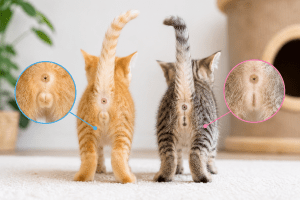
The spay surgery itself usually takes about 20 to 45 minutes, but your cat is at the clinic most of the day for prep, anesthesia, and recovery. Full healing takes around 10 to 14 days. Here’s the complete timeline — surgery, same-day recovery, and the days that follow.
Short answer: The actual spay operation typically takes about 20 to 45 minutes, though it varies with the cat’s age, size, and whether she’s in heat or pregnant. But “how long does it take” has a few layers: the surgery is short, the clinic day is long (you usually drop off in the morning and pick up in the afternoon, since the cat needs time to wake from anesthesia), and full recovery at home takes roughly 10 to 14 days. So the cut-and-stitch part is quick, but the whole process — from drop-off to fully healed — spans about two weeks.
A neuter (male) is faster than a spay (female), often just a few minutes of surgery, because it’s a simpler external procedure. A spay is abdominal surgery, so it takes a bit longer and has a slightly longer recovery. Below I’ll break down each layer of the timeline so you know exactly what to expect on the day and afterward.
If you’re planning a spay and your cat isn’t fixed yet, and there’s a chance she mated, you can estimate a due date with the Waldev cat pregnancy calculator. For the timing decision, see when to neuter or spay a cat.
How long does the spay surgery itself take?
Let’s start with the part most people mean when they ask the question. The operation — from first incision to final suture — is typically around 20 to 45 minutes for a routine spay. Many straightforward spays on young, healthy cats land at the shorter end of that range, while older, larger, or in-heat cats push toward the longer end. It’s a quick procedure in skilled hands, performed countless times in veterinary practice — for an experienced vet, a routine cat spay is one of the most familiar operations there is.
| Procedure | Typical surgery time |
|---|---|
| Neuter (male) | ~5–20 minutes |
| Spay (female) | ~20–45 minutes |
| Spay in heat | Can be a little longer (more careful work) |
| Spay while pregnant | Longer; varies with how far along |
The key distinction: the surgery is short, but it’s only one part of the day. Anesthesia, prep, and recovery add hours on either side. So when someone says a spay “takes 30 minutes,” they mean the operation — not the time your cat spends at the clinic.
The full clinic day: what really takes the time
Here’s where expectations and reality diverge for a lot of owners. From your perspective, a spay is usually a drop-off-in-the-morning, pick-up-in-the-afternoon affair.
Here’s where the hours go, even though the surgery is brief.You bring the cat in, usually having withheld food beforehand per the vet’s instructions. Paperwork and a brief pre-surgery exam happen here, and you’ll usually confirm pickup arrangements for later that day.
The vet may run pre-anesthetic bloodwork, place an IV catheter, and prepare the cat. This takes time but ensures it’s safe to proceed with anesthesia.
The cat is anesthetized, then the 20 to 45 minute spay is performed with continuous monitoring of her vitals throughout.
The big time sink. The cat is monitored as she wakes up, which takes a few hours. Clinics won’t release her until she’s stable and recovering well, which is a safety measure rather than a delay you should be impatient about.
You collect a groggy but recovering cat, usually the same afternoon or early evening, along with aftercare instructions and sometimes pain medication to send home.
So although the surgery is 30-ish minutes, the cat is typically at the clinic for several hours to most of the day. The recovery-from-anesthesia stage is what stretches it out — vets monitor the cat carefully as the anesthetic wears off before sending her home. The recovery-from-anesthesia stage genuinely is the bulk of the day. Some clinics keep cats overnight for extra observation, though many routine spays go home the same day. Whether yours stays over depends on the clinic’s protocol and how your individual cat is recovering from the anesthetic.
Why a spay takes longer than a neuter
If you’ve heard a neuter is “quick” and wondered why a spay takes longer, it comes down to the surgery type.
Neuter (male) — faster
Removing the testicles is an external procedure, often just a few minutes of actual surgery. Less anesthesia time, a faster recovery, and a shorter clinic stay overall.
Spay (female) — longer
Removing the ovaries and uterus is abdominal surgery — entering the abdomen, removing the organs, and closing the incision. More steps, more time under anesthesia, and a longer recovery overall.
So a male’s whole experience is generally quicker, both in surgery and recovery, while a female’s spay takes longer on both counts. Neither is dangerous in a healthy cat — the spay is just a more involved operation that asks more of the surgeon and the cat’s body. For the difference between the procedures, see when to neuter or spay a cat.
What affects how long it takes
The averages give you a baseline, but your cat’s specific timeline depends on a handful of variables. A few factors lengthen either the surgery or the recovery.
Knowing them helps you understand why your cat’s timeline might differ from the average.| Factor | Effect |
|---|---|
| Sex | Neuter (male) is faster than spay (female). |
| In heat | Increased blood flow can make the spay a bit longer and more careful. |
| Pregnant | A pregnant spay takes longer, increasing with how far along she is. |
| Age | Older cats may need more pre-surgery checks and can take longer to recover from anesthesia. |
| Weight | Overweight cats can make the surgery more involved and lengthen anesthesia. |
| Health | Pre-existing conditions may add testing and monitoring time. |
| Clinic workflow | High-volume clinics are efficient; a busy day affects total time at the clinic. |
The cheapest, fastest, simplest scenario is a young, healthy, lean cat that isn’t in heat or pregnant — another reason vets favor spaying around 5 to 6 months, before heat, pregnancy, weight gain, or age can complicate things. The further from that ideal — older, heavier, in heat, pregnant, or with health issues — the longer and more involved the procedure tends to be on both the surgery and recovery side.
The recovery timeline: about 10 to 14 days
This is the number that actually shapes the two weeks after surgery, so it’s worth dwelling on. Full recovery from a spay takes roughly 10 to 14 days — this is the “how long” that matters most for your daily life afterward. Here’s how those days typically unfold.
| Timeframe | What to expect |
|---|---|
| Day of surgery | Groggy from anesthesia, wobbly, sleepy. Quiet rest, small amount of food and water. |
| Days 1–3 | Often perks up quickly. Keep activity restricted — she may feel better than she should. Monitor the incision. |
| Days 4–7 | Usually back to near-normal energy. Continue restricting jumping and rough play; keep the e-collar on. |
| Days 7–14 | Incision continues healing. Many cats are cleared around the 10–14 day mark; some sutures dissolve, some need removal. |
| After ~14 days | Typically healed and back to normal life, with vet confirmation. |
The tricky part of recovery is that cats often feel fine within a day or two, long before the incision has fully healed. That’s exactly why activity restriction matters — a cat that feels great will jump and play in ways that can disrupt the healing incision. The hardest job in recovery is keeping an energetic, seemingly-recovered cat calm for the full two weeks when every instinct she has says she’s ready to play. Neuters (males) usually recover faster, often closer to a week.
Planning around a spay? See when to neuter or spay a cat and how much it costs to fix a cat to plan the whole thing.
How to pick up and handle a cat after spaying
Owners search this specifically because the idea of lifting a cat with a fresh belly incision is nerve-wracking. This is one of the most-asked practical questions,
because a freshly-spayed cat has an abdominal incision and you don’t want to hurt her. Here’s how to handle her safely.Lift with one hand under the chest and the other supporting the hindquarters, keeping her body level. Avoid putting pressure on or near the belly incision.
The incision is on the belly, so avoid the classic “scoop under the tummy” lift. Support from the chest and rear instead.
She may be groggy and uncoordinated on the first day. Slow, calm handling prevents her startling or twisting awkwardly.
The best handling is less handling. Let her settle in a low, accessible spot so she doesn’t need to be carried or to jump much.
Avoid letting her squirm, twist, or leap from your arms, which could strain the incision. Hold securely but gently.
The core principle: support her weight from the chest and hindquarters, keep her body level, and stay away from the belly where the incision is. Think of it as cradling rather than scooping. And in general, the less you need to pick her up the better — set her recovery space up so everything she needs (bed, water, low litter box) is at floor level and easy to reach without jumping.
If she resists handling or seems in pain: don’t force it. Some cats are sore and prefer to be left alone in the first day or two. Forcing handling can stress her and risk the incision. If she seems to be in significant pain, contact your vet about pain relief rather than trying to manage it at home — and never give human painkillers, which are toxic to cats.
Day-by-day aftercare essentials
Handling is just one piece. Beyond handling, here’s what good aftercare looks like across the recovery period.
Always follow your vet’s specific instructions over general advice.Provide a quiet recovery space. A calm, warm, low-traffic room where she can rest undisturbed, ideally confined enough to limit jumping.
Keep the e-collar or suit on. Prevents her licking or chewing the incision, which can cause infection or open the wound. Keep it on as your vet directs.
Restrict activity. No jumping, climbing, or rough play for the recovery period. Confine her if needed, especially while you’re out.
Check the incision daily. Look for normal healing versus warning signs such as redness, swelling, discharge, or the incision opening, and note any change day to day.
Give medications as prescribed. Finish any pain meds or antibiotics exactly as directed, even if she seems fine before they run out. Never give human painkillers, which are dangerous and even fatal for cats.
Keep the incision dry. No baths or letting the incision get wet during healing unless your vet says otherwise, as moisture can interfere with closure and invite infection.
Monitor eating and toileting. Appetite may dip on day one, then return. Watch that she’s eating, drinking, and using the litter box normally over the following days, as these are good general signs that recovery is on track.
Most cats sail through recovery with nothing more than this basic care and a watchful owner. The two things owners most often underestimate are how determined a cat is to remove the e-collar and lick the incision, and how quickly a cat that feels better will try to jump and play before she should. Stay firm on both — they’re the main causes of recovery setbacks.
When to call the vet during recovery
Complications are uncommon with routine spays, but knowing the warning signs lets you catch problems early.
Incision problems. Significant swelling, redness, discharge, bleeding, a bad smell, or the incision opening up.
Persistent pain or distress. Ongoing signs of pain beyond the first day or two, crying, or hiding in distress.
Not eating or drinking. A dip on day one is normal, but continued refusal to eat or drink needs a call.
Lethargy or weakness. Beyond the expected day-one grogginess, ongoing lethargy is a concern.
Vomiting or other symptoms. Repeated vomiting, fever signs, or anything that seems clearly wrong.
Trust your instincts here. When in doubt, call. Vets would much rather hear from you about a minor worry than have a complication go unaddressed. Most recoveries are completely smooth, but your attentiveness in those two weeks is exactly what keeps them that way and catches the rare problem early. For the broader procedure and decision, see can you spay a cat in heat and when to neuter or spay a cat.
Cornell’s veterinary college provides reliable owner guidance on spay surgery and post-operative care.
The ASPCA offers practical post-surgery recovery guidance for spayed and neutered cats.
External references: Cornell Feline Health Center and ASPCA.
Before surgery: fasting and prep timing
Part of “how long it takes” starts the night before. Pre-surgery prep has its own timeline, and getting it right keeps the surgery on schedule and safe.
Most clinics ask you to withhold food for a period before surgery (often from the evening before or overnight), so the cat’s stomach is empty for anesthesia. This reduces the risk of vomiting and aspiration under anesthetic. Water is often allowed up to a point — follow your clinic’s exact instructions.
Clinics usually want surgical patients in early so there’s time for prep, the procedure, and full recovery before closing. You’ll often have a specific morning drop-off time.
The vet examines the cat and may run bloodwork to check organ function before anesthesia, especially for older cats. This adds time but adds safety.
The cat is given pre-medication to relax her and ease her into full anesthesia. This staged approach is gentler and safer than rushing straight to surgery, and it’s standard practice at any good clinic.
Follow fasting instructions carefully. Feeding a cat when she should be fasting can mean the surgery is postponed, or raises anesthetic risk. If you accidentally feed her, tell the clinic rather than staying quiet — they need to know, and they’d far rather reschedule than risk an anesthetic complication.
So the timeline really begins the evening before with fasting, not when you arrive. This front-end prep, while not long in itself, is part of why a spay is a whole-day commitment rather than a quick in-and-out.
Understanding the anesthesia time
Anesthesia is the single biggest reason the clinic day stretches well beyond the 30-minute surgery. It’s worth understanding because it’s also the part owners worry about most.
Going under
After pre-medication, the cat is fully anesthetized for the surgery and monitored continuously — heart rate, breathing, and other vitals — by the surgical team.
Waking up
After surgery, the anesthetic wears off gradually. The cat is kept warm and monitored in recovery for several hours until she’s alert and stable enough to go home.
That recovery-from-anesthesia window is the hidden time cost. A cat doesn’t bounce up the moment surgery ends — she comes round slowly, groggy and uncoordinated, and the clinic watches her until they’re confident she’s stable. This careful monitoring is a safety feature, not a delay, and it’s why “the surgery took 30 minutes but she was there until 4pm” is completely normal and nothing to worry about.
Modern veterinary anesthesia is generally very safe for healthy cats, with careful dosing and monitoring throughout. The pre-surgery assessment exists precisely to catch any reason a particular cat might be at higher anesthetic risk. If you’re anxious about the anesthesia, your vet can talk you through their protocols and monitoring — most clinics are happy to reassure you and walk you through exactly how they keep your cat safe under anesthesia.
How to actually restrict activity for two weeks
“Restrict activity for 10 to 14 days” is easy to say and hard to do with a cat that feels fine by day three. Here are realistic strategies that work.
A single calm room without high furniture, or a roomy crate or pen, limits jumping and climbing. This is the most reliable way to enforce rest while you’re not watching, since you can’t supervise her every minute of a two-week recovery.
Block access to cat trees, high shelves, beds, and counters. Provide everything at floor level so she has no reason — and no opportunity — to leap.
A box she can step into rather than climb into is gentler on a sore abdomen during recovery, and reduces the stretching and straining that a high-sided box would require.
Swap energetic chase games for gentle, low-movement enrichment. No wand-toy sprinting or laser-chase marathons for the recovery period — save those for after she’s cleared.
Playful housemates can trigger rough play. Keep her apart from boisterous pets while she heals, even if they normally get along, because rough-and-tumble play is exactly what the incision can’t take yet.
The reason this matters so much: the incision is healing internally and externally, and a hard jump or twist can disrupt that, occasionally even opening the wound. A cat that “seems totally fine” by day four is the classic recovery hazard, because she’ll happily leap onto the counter as if nothing happened. Your firmness on restriction is what carries her safely through the full two weeks. It’s the single most important — and most underestimated — part of spay aftercare.
Prepare the confined recovery space before you bring her home groggy, so everything’s ready. See when to neuter or spay a cat for planning the whole process.
The spay incision and how it heals
Knowing what a healing spay incision looks like — and what’s normal versus concerning — takes a lot of the worry out of the recovery period. Here’s what to expect over the days.
| Stage | Normal appearance |
|---|---|
| Day 1–2 | A clean, closed incision on the belly. Mild redness or slight swelling at the edges can be normal. May look a little bruised. |
| Day 3–5 | Edges knitting together. Redness should be decreasing, not increasing. A small amount of initial scabbing is normal. |
| Day 6–10 | Incision looking progressively better, closing well. Any external sutures still in place. |
| Day 10–14 | Largely healed on the surface. Sutures may be removed if not dissolvable; some are internal/dissolvable and need nothing. |
The general rule for the incision is that things should trend better each day. Some initial redness, slight swelling, or bruising is normal early on, but it should be improving, not worsening. Warning signs are the opposite trend: increasing redness, growing swelling, discharge (especially pus or a bad smell), bleeding, the incision gaping open, or the cat suddenly seeming much more painful. Any of those means a call to the vet.
Many modern spays use dissolvable sutures placed under the skin, so there may be no visible stitches and no removal appointment needed — the closure simply dissolves over time on its own, which is convenient and means one less trip back to the clinic. Others use skin sutures or staples that need removing around the 10-to-14-day mark. Your vet will tell you which type of sutures your cat has and whether a recheck or removal appointment is needed. Either way, checking the incision daily during recovery is one of your main jobs.
Don’t let her lick it. A cat’s instinct is to lick a wound, but licking the incision can introduce bacteria and pull at the closure, causing infection or opening the wound. This is exactly what the e-collar or recovery suit prevents — keep it on for the full period your vet specifies, even though she’ll dislike it.
Spay timeline vs other common procedures
To put the spay timeline in context, here’s how it compares to other routine cat procedures owners often ask about, all as general examples.
| Procedure | Surgery time | Recovery |
|---|---|---|
| Neuter (male) | ~5–20 min | Often ~5–7 days |
| Spay (female) | ~20–45 min | ~10–14 days |
| Spay in heat | Slightly longer | Similar, hormones settle over days |
| Spay while pregnant | Longer (varies) | Similar to longer, vet-guided |
| Dental cleaning | Varies | Often quick, depending on extractions |
The pattern is consistent: the male neuter is the quick, light end of the spectrum — fast surgery, short recovery — while the female spay is more involved on both counts, with in-heat and pregnant spays adding incrementally to the time. None of these is a dramatic ordeal for a healthy cat; they’re all routine, but the spay simply asks a bit more of both the cat and the calendar than a neuter does.
For most pet owners, the practical planning takeaway is this: budget a full day for the clinic visit, and budget about two weeks of restricted activity at home afterward for a spay (around a week for a neuter). Plan the surgery for a time when you can supervise the early recovery — a long weekend or a period when someone’s home helps enormously, especially for the first day or two when the cat is groggy and needs the most watching.
Pick a date when you can supervise early recovery. See when to neuter or spay a cat and how much it costs to fix a cat to plan fully.
The first night after surgery
The evening you bring her home is the most delicate stretch of the whole recovery, and knowing what’s normal helps you stay calm through it.
Grogginess and wobbliness are normal. The anesthetic is still wearing off. She may be unsteady, sleepy, and uncoordinated for several hours. Let her rest somewhere safe and low where she can’t fall.
A reduced or absent appetite is normal. Many cats don’t want much food the first evening. Offer a small amount; don’t force it. Appetite usually returns within a day.
She may hide or want quiet. Some cats want to tuck away and be left alone after surgery. Respect that — provide a quiet, safe spot rather than fussing over her.
Mild dopiness from pain medication. If she’s been given pain relief, it may add to the sleepiness. This is expected.
Set her up in a small, safe, low space for the first night — no high perches to fall from while she’s woozy, easy access to a low litter box and water, and a warm comfortable bed. Keep other pets and children away so she can rest undisturbed through the night, which is when she does most of her early healing. Check on her periodically, but resist the urge to handle her constantly; rest is what she needs most.
What you’re watching for, beyond the normal grogginess, is anything that seems clearly wrong: significant bleeding from the incision, severe or worsening distress, repeated vomiting, or an inability to settle that suggests real pain. The expected picture is a sleepy, quiet, slightly out-of-it cat who gradually becomes more herself over the next day. If your gut says something’s seriously off, call the clinic’s emergency line — that’s what it’s there for.
Keep the e-collar on overnight too. The temptation to remove the cone so she’s comfortable for the night is strong, but the unsupervised hours are exactly when a cat will lick the incision. Leave it on unless your vet says otherwise.
When can she get back to normal?
Owners naturally want to know when life returns to normal — when the cone comes off, when she can jump again, when she stops needing watching, and when the heat cycles finally end.
| Milestone | Typically |
|---|---|
| Eating and drinking normally | Within a day or so |
| Energy returns | 1–3 days (which is why restriction is hard) |
| Incision largely healed | ~10–14 days |
| E-collar can come off | When the incision is healed, per your vet (often ~10–14 days) |
| Back to full activity | After vet clearance, usually around 2 weeks |
| Heat cycles stop (the goal) | Permanently, once hormones settle |
The honest summary: she’ll feel normal within a few days but isn’t healed until around two weeks, and those two facts pulling in opposite directions are the entire challenge of spay recovery. Don’t let her behavior fool you into easing restrictions early. Wait for your vet’s clearance — or at least the full 10-to-14-day window with a well-healed incision — before letting her jump, climb, and play freely again.
Once she’s healed and cleared, that’s it: she’s back to her normal self, with the bonus that the heat cycles are gone for good and there’s no risk of pregnancy. The two weeks of careful recovery buy a lifetime of benefits — no heat cycles, no pregnancy risk, lower health risks — which makes the temporary inconvenience well worth it. For why those benefits matter, see when to neuter or spay a cat and how many times a cat can get pregnant.
Frequently asked questions
How long does it take to spay a cat?
The spay surgery itself usually takes about 20 to 45 minutes. But the cat is at the clinic most of the day for prep, anesthesia, and recovery, and full healing at home takes roughly 10 to 14 days. So the operation is quick, but the whole process from drop-off to fully healed spans about two weeks.
Is the cat at the vet all day for a spay?
Usually most of the day. You typically drop off in the morning and pick up in the afternoon, because the cat needs several hours to recover from anesthesia before going home. The surgery is short, but the recovery-from-anesthesia stage is what stretches out the clinic stay.
How long does a neuter take compared to a spay?
A neuter (male) is faster, often just 5 to 20 minutes, because it’s a simpler external procedure. A spay (female) is abdominal surgery taking around 20 to 45 minutes. Males also tend to recover faster, often closer to a week versus 10 to 14 days for a spay.
How long does a cat take to recover from being spayed?
Full recovery takes about 10 to 14 days. Cats often feel better within a day or two, but the incision needs the full period to heal, which is why activity must be restricted even when she seems fine. Your vet will confirm when she’s fully healed.
How do I pick up my cat after spaying?
Support her with one hand under the chest and the other under the hindquarters, keeping her body level and avoiding pressure on the belly incision. Don’t scoop under the tummy. Move gently, and minimize lifting overall by setting up her recovery space at floor level so she doesn’t need carrying or jumping.
Does being in heat or pregnant make the spay take longer?
Yes. Spaying a cat in heat can take a little longer due to increased blood flow requiring more careful work, and spaying a pregnant cat takes longer still, increasing with how far along she is. A young, healthy, non-pregnant cat that isn’t in heat is the quickest scenario.
Why does my cat have to stay so long if surgery is only 30 minutes?
The extra time is mostly recovery from anesthesia. After the short surgery, the cat is monitored for several hours as the anesthetic wears off, and the clinic won’t release her until she’s stable and recovering well. Prep and pre-surgery checks add time on the front end too.
Can my cat go home the same day as the spay?
Usually yes. Many routine spays go home the same day, typically in the afternoon or early evening once the cat has recovered enough from anesthesia. Some clinics keep cats overnight depending on their protocol or the individual cat, so confirm with your clinic.
Planning a spay for an unfixed cat?
If your cat isn’t spayed yet and may have mated, an unplanned pregnancy could change your plans. The Waldev cat pregnancy calculator estimates a due date from the mating date, and our guide on how to tell if a cat is pregnant helps you check before scheduling surgery.
Estimate the due date → Confirm before planning a spay.
Related spay, neuter & breeding guides
- When to neuter or spay a cat — the right age and timing.
- How much does it cost to fix a cat? — budgeting for the procedure.
- Can you spay a cat in heat? — spaying during a cycle.
- How to help a cat in heat — managing her until the spay.
- How many times can a cat get pregnant? — why prevention matters.
- When is a kitten considered a cat? — why young cats can breed.
A quick disclaimer
This guide is for general education. The surgery times, recovery periods, and aftercare details here are typical examples and averages — every cat, clinic, and procedure is different. Always follow the specific instructions your veterinarian gives you, which take precedence over any general guidance here. Nothing here replaces professional veterinary advice. If you have any concerns during your cat’s recovery, contact your vet. Waldev is not affiliated with any veterinary practice or clinic, and the due-date figures from our calculator are illustrative estimates rather than medical measurements.