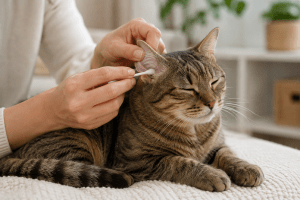
Do cats need baths? For most cats, the reassuring answer is no, not routinely. Cats are among the most fastidious self-groomers in the animal world, spending hours each day cleaning themselves with a tongue built for the job, so the average healthy cat keeps itself clean without ever needing to be dunked in water. That said, there are real situations, from a cat covered in something harmful to a hairless Sphynx or an elderly cat that can no longer groom, when a bath is genuinely needed. This guide explains when cats do and do not need baths, how often to bathe a cat in the cases that call for it, how to bathe a cat safely and with minimal stress, why most cats dislike water, and the gentler alternatives that handle everyday cleaning.
Cats keep themselves clean by grooming. See why cats groom and lick, signs of fleas, and explore more on the Waldev homepage.
On this page
Cats are self-cleaning
The reason most cats do not need baths comes down to one remarkable fact: cats are superbly equipped to clean themselves, and they devote a great deal of effort to doing exactly that.
A healthy cat spends a substantial portion of its waking hours grooming, and it is wonderfully well designed for the task. Its tongue is covered in hundreds of tiny, backward-facing, keratin spines called papillae that work like a built-in comb, letting the cat detangle fur, lift out loose hair and dirt, and spread the skin’s natural oils evenly through the coat to keep it clean, waterproofed, and healthy. Cats groom methodically, working over their whole body, using their paws to reach the face and head, and this constant self-maintenance keeps their coat clean, glossy, and largely odour-free without any help from us. Grooming also serves other purposes, regulating temperature, soothing and de-stressing the cat, and stimulating the skin, but its cleaning function is so effective that a typical short-haired indoor cat can stay perfectly clean for life on self-grooming alone, needing at most some brushing from its owner. A cat will even groom to calm itself after a stressful or embarrassing moment, which is part of why the behaviour is so constant throughout the day. This is the fundamental reason baths are usually unnecessary: unlike dogs, which cannot groom themselves nearly as thoroughly and often need regular washing, cats come with their own highly effective cleaning system. Understanding this sets the right expectation, that for most cats, not bathing is normal and healthy, and a bath is the exception reserved for particular situations rather than a routine part of care. Owners who come to cats from a background of regularly bathing dogs are often surprised by this, but it is one of the ways cat care genuinely differs from dog care. The corollary is also important: because cats keep themselves clean, a cat that suddenly looks greasy or unkempt is often telling you something is wrong, a point the guide returns to later. A glossy, clean coat is one of the everyday signs of a healthy cat, which is why any lasting decline in it deserves a closer look.
When a cat does need a bath
While routine baths are unnecessary for most cats, there are genuine situations in which a bath is useful or even important, and knowing them helps you tell a real need from an unnecessary wash.
The clearest case is when a cat gets very dirty or gets something on its coat that it should not lick off. If your cat has rolled in mud, grease, paint, oil, a sticky or smelly substance, or anything toxic or irritating, a bath may be needed both to clean it and, crucially, to stop it ingesting a harmful substance while grooming, and for genuinely dangerous substances (such as certain chemicals, or oil and paint) you should contact your vet for advice on safe removal rather than assuming a home bath is enough. Trying to scrub off a substance like paint or motor oil at home can spread it or drive it into the skin, and in the meantime the cat may swallow a dangerous amount while grooming, so speed and professional advice matter. A second case is medical: some skin conditions are treated with medicated shampoos, and if your vet prescribes one, bathing becomes part of the treatment, done exactly as directed. A third is the cat that can no longer groom itself well, an elderly, overweight, arthritic, or unwell cat may become greasy, matted, or soiled and need gentle bathing or cleaning to stay comfortable and clean. A fourth is heavy flea infestation, where a bath (sometimes with a vet-recommended product) can be part of dealing with the problem, alongside proper flea treatment. A bath alone will not clear fleas, though, so it should always go hand in hand with a proper vet-recommended flea programme for the cat and the home. A fifth is severe matting in long-haired cats, which may need bathing as part of sorting out the coat. And hairless breeds need routine baths for a different reason covered below. Outside of these kinds of situations, though, most cats simply do not need a bath, so the rule of thumb is to bathe when there is a specific, genuine reason, and otherwise to leave your self-cleaning cat to do its own thing. If you find yourself reaching for the shampoo out of habit rather than need, it is usually better to pick up a brush instead.
How often to bathe a cat
Given that baths are situational rather than routine for most cats, the question of how often to bathe a cat has no single answer, but there are clear principles based on the cat and the reason.
For the typical healthy, short-haired indoor cat, the honest frequency is rarely or never: such a cat can go its entire life without a bath and remain perfectly clean, needing only regular brushing to help remove loose hair. Bathing this kind of cat more than genuinely necessary is not just unnecessary but can be counterproductive, because too-frequent washing strips the coat of its protective natural oils and can dry out and irritate the skin, so with ordinary cats less is very much more. When baths are needed for a specific reason, the frequency follows the reason: a one-off mess or harmful substance calls for a bath then and there and no set schedule; a vet-prescribed medicated shampoo should be used exactly as often as the vet specifies, no more and no less; medicated shampoos often need to stay on the skin for a set contact time before rinsing, so following the vet’s instructions exactly is what makes the treatment work; a long-haired cat prone to greasiness or mats might have an occasional bath every few weeks to a few months alongside frequent brushing; an elderly or unwell cat unable to groom may need periodic gentle cleaning as required to stay clean and comfortable; and hairless breeds like the Sphynx typically need regular baths on the order of weekly to monthly. The unifying principle across all of these is to bathe according to genuine need rather than a fixed routine, and to avoid over-bathing, so that most cats are washed seldom if ever, while the specific cats and situations that require it are bathed as often as that particular need dictates.
Cats that need regular baths
Although most cats never need routine baths, a handful of groups genuinely do benefit from or require regular bathing, and it is worth knowing them so that owners of these cats do not under-care for their skin and coat.
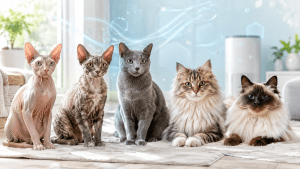
The most striking example is hairless breeds, above all the Sphynx. Because these cats have little or no fur, the natural oils that a normal coat would absorb and distribute instead build up directly on the skin, which can leave it greasy, grimy, and prone to skin problems and can mark bedding and furniture. Owners of hairless cats often notice greasy marks on light-coloured fabrics, which is a practical reminder that the bathing routine is overdue. Regular bathing, often on the order of weekly to monthly, is therefore an important part of caring for a hairless cat, keeping its skin clean and healthy. Sphynx owners often build the bath into a regular routine from kittenhood, which helps the cat accept it as a normal, unremarkable part of life. A second group is cats that cannot groom themselves adequately: elderly, overweight, arthritic, or chronically unwell cats may be unable to reach parts of their body, so their coat can become greasy, matted, dandruffy, or soiled, and periodic gentle bathing or cleaning helps keep them comfortable and clean (alongside addressing the underlying issue with a vet). Long-haired cats form a third group; although they do groom, their longer coats are more prone to grease, tangles, and mats, so occasional baths, together with regular and thorough brushing, can help keep the coat in good condition. Cats with certain skin conditions may need medicated baths as prescribed. And show cats are frequently bathed to keep their coats immaculate for competition. If your cat falls into one of these groups, regular or periodic bathing is a reasonable and sometimes necessary part of its care, whereas for the ordinary pet cat outside these categories, routine baths remain unnecessary.
How to bathe a cat safely
When a bath is genuinely needed, doing it properly makes all the difference to how safe and how stressful it is, so it is worth following a careful, gentle method rather than improvising.
Preparation is half the battle. Before any water is involved, brush your cat thoroughly to remove loose hair and work out tangles (mats are much harder to deal with wet), trim its claws to reduce the risk of scratches, and gather everything you will need within reach, a cat-specific shampoo, towels, and a jug or gentle sprayer, so you are not fumbling mid-bath. It is often easier with a calm helper. Use only a shampoo formulated for cats; never use human shampoo or dog shampoo, as these can be irritating or even harmful to a cat’s skin and pH. Set up in a sink or small tub with only a few inches of lukewarm (never hot) water, and put down a non-slip mat or towel so the cat has secure footing, since slipping frightens cats badly. Lower the cat in gently and wet it from the neck down using the jug or a soft spray, keeping water away from the head, ears, and eyes. Work the cat shampoo into a lather, then rinse very thoroughly, leaving no residue, which can irritate the skin or be ingested during grooming. Keep everything calm and quick: talk soothingly, move efficiently, and offer treats and praise. Never pour water over the cat’s face; instead wipe the head gently with a damp cloth. When finished, lift the cat out into a warm towel, dry it as much as it will tolerate, and keep it somewhere warm and draft-free until it is completely dry, since a wet cat gets cold easily. A long-haired cat in particular can take a long time to dry, so a warm room and patience are important, and a low, quiet dryer on a gentle setting can help if the cat will tolerate it. Going slowly, staying gentle, and keeping the whole thing as short as possible turns a potentially traumatic event into something most cats will tolerate.
Why most cats hate water
Anyone who has tried to bathe a cat knows that most of them object strongly, and understanding why helps you approach bathing with empathy and keep it as low-stress as possible.
Several factors combine to make most cats dislike water and baths. Evolutionarily, the domestic cat’s ancestors were largely desert-dwelling animals with little exposure to or need for water beyond drinking, so cats never developed the affinity for water that some animals have, and being immersed is simply an unnatural, unfamiliar experience for them. Practically, a wet coat is a real problem for a cat: fur that is soaked becomes heavy, cold, and slow to dry, leaving the cat feeling weighed down, chilled, and less agile, which is deeply uncomfortable for an animal that depends on quick, controlled movement and on feeling able to escape if needed. The strange sensations of a bath, the feel and sound of running water, the slipperiness of a wet surface, and being held or restrained in an unfamiliar, inescapable situation, all add to the stress. And because cats keep themselves so clean by grooming, they have no positive, instinctive association with water as we might, no sense that a bath will feel refreshing. Put together, a bath confronts a typical cat with several things it finds unpleasant at once, which is why the reaction is often so dramatic. It is worth noting that not every cat hates water, some individuals are curious about it or even enjoy playing with it, and certain breeds, notably the Turkish Van (sometimes called the ‘swimming cat’) and the Maine Coon, are known for a greater tolerance of or fondness for water. These water-loving individuals are the exception rather than the rule, and even they should never be forced into a bath they are not enjoying. But for the majority, respecting their genuine dislike, and only bathing when needed, done gently, is the kind approach.
Alternatives to a full bath
Because full baths are stressful and usually unnecessary, it is well worth knowing the gentler alternatives that keep a cat clean and handle the great majority of everyday cleaning needs without water.
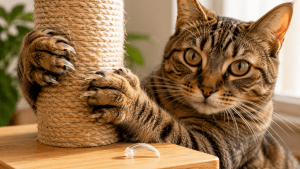
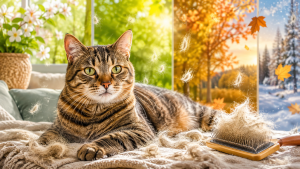
The single most valuable grooming tool for almost every cat is regular brushing. Brushing removes loose hair, dirt, and debris, prevents tangles and mats, spreads the skin’s healthy oils through the coat, reduces shedding and hairballs, and, for most cats, is all the grooming help they ever need, while doubling as a pleasant bonding activity. Many cats come to look forward to their brushing sessions, treating them as a form of the mutual grooming they would share with a feline companion. Long-haired cats benefit from frequent, thorough brushing in particular. For cleaning a specific dirty patch without wetting the whole cat, a damp cloth or a cat-safe pet or grooming wipe does the job on a soiled area, muddy paws, or a dirty rear end. Waterless or dry cat shampoos, which come as foams or sprays that you massage in and then wipe or brush out, can freshen and clean a coat without any water and are ideal for cats that will not tolerate a bath. For the face and the area around the eyes, a soft, damp cloth is the safe way to clean gently. Keeping the litter tray scrupulously clean and the cat’s environment tidy also helps a cat stay clean naturally, since much of what dirties a cat comes from its surroundings. A clean home genuinely means a cleaner cat, so keeping bedding, floors, and trays fresh does a lot of the work for you. It is a gentler, lower-stress way to keep a cat clean than any bath, and it benefits the whole household too. Regular brushing paired with a tidy home covers the cleaning needs of the vast majority of cats completely. A bath, for most cats, is something they will simply never actually require at all. Between them, these methods, above all regular brushing, cover almost all of a cat’s routine cleaning needs, which is exactly why full wet baths can be reserved for the genuine exceptions rather than used as a matter of course.
Products and what to avoid
Whether you are giving a rare full bath or spot-cleaning, using the right products, and avoiding the wrong ones, matters for your cat’s safety, because a cat’s skin and grooming habits make it vulnerable to unsuitable products.
The cardinal rule is to use only products formulated specifically for cats. Cat shampoos are made for the pH and sensitivity of feline skin, whereas human shampoos and even dog shampoos can be too harsh, wrongly balanced, or contain ingredients that are irritating or toxic to cats, so these should never be used on a cat. This caution extends beyond shampoo. Because cats groom and therefore ingest whatever is on their coat, you must be careful with anything you apply or that gets onto their fur: many essential oils, for example, are toxic to cats and should not be used on them or in homemade grooming or ‘flea’ remedies, and some human skin products, medicated creams, and household chemicals are dangerous if a cat licks them off. When treating fleas, use only cat-appropriate, vet-recommended products, since some flea treatments made for dogs (notably certain ones containing permethrin) are highly toxic and can be fatal to cats. This is one of the most important safety points in all of cat care, because the mistake is easy to make and the consequences can be deadly. If your cat has got a genuinely hazardous substance on its coat, oil, paint, strong chemicals, contact your vet or a pet poison helpline for advice on safe removal rather than reaching for whatever is to hand. In short, stick to cat-specific grooming products, be wary of anything that could be licked off, avoid essential oils and non-cat flea or skin products, and when in doubt about a substance on the coat, get professional advice. Using the right products protects the very self-grooming system that keeps your cat clean.
When cleanliness needs a vet
Finally, because a cat’s coat and grooming are closely tied to its health, it helps to know when a cleanliness or coat issue is not just a grooming matter but a reason to see the vet.
Since cats normally keep themselves clean, a change in that is a useful early warning. See a vet if your cat suddenly stops grooming or grooms noticeably less, so that its coat becomes greasy, matted, dull, dandruffy, or unkempt, because a drop in grooming frequently signals that the cat is unwell, in pain, overweight, arthritic, or otherwise unable to look after itself. The opposite extreme, over-grooming that leaves bald patches or sore, irritated skin, equally warrants a check, as it can stem from stress, allergies, parasites, or pain. Signs of a skin problem should also prompt a visit: redness, scabs, flaking or dandruff, greasiness, a bad or unusual smell, hair loss, sores, or a lot of scratching, biting, or licking can indicate fleas, allergies, infection, or other skin conditions that may need treatment, sometimes including a vet-prescribed medicated bath. Mats that are tight enough to pull on the skin, or a coat soiled because the cat cannot clean itself, also need attention, sometimes professional grooming. And if your cat has got a potentially harmful substance on its coat, treat that as an urgent call to the vet rather than a simple bath. So while ordinary grooming and the occasional bath are straightforward care, treat a sudden change in grooming, a persistently poor or smelly coat, visible skin trouble, or contamination with a harmful substance as signals that your cat needs veterinary attention rather than just a wash.
Frequently asked questions
Do cats need baths?
Most cats do not need regular baths, because cats are excellent self-groomers that keep themselves remarkably clean. A healthy cat spends a large part of its day grooming, using its barbed tongue to comb, clean, and distribute oils through its coat, so for the great majority of cats, occasional brushing is all the grooming help they need and baths are rarely necessary. There are, however, situations where a bath is genuinely useful or important: if a cat gets very dirty, or covered in something sticky, oily, or toxic it should not lick off; if it has a skin condition that needs a medicated shampoo prescribed by a vet; if it is elderly, overweight, arthritic, or unwell and can no longer groom itself properly; if it has a heavy flea infestation or badly matted long fur; or if it is a hairless breed like the Sphynx, which needs regular bathing because it has no coat to absorb skin oils. So the honest answer is that most cats never need a routine bath, but some cats, in some circumstances, do, and it is worth knowing which situations call for one.
How often should you bathe a cat?
For most cats, the answer is rarely or never on a routine basis, because self-grooming keeps them clean and over-bathing can dry out their skin and coat. A typical healthy, short-haired indoor cat may go its whole life without a bath and be perfectly clean, needing only regular brushing. When baths are needed for a particular reason, frequency depends on the reason: a cat that has got into something dirty or harmful needs a bath then and there; a cat on a medicated shampoo should be bathed exactly as often as the vet directs; a long-haired cat prone to greasiness or mats may benefit from an occasional bath every few weeks to months alongside regular brushing; an elderly or unwell cat that cannot groom may need periodic gentle cleaning; and hairless breeds like the Sphynx often need bathing regularly, roughly weekly to monthly, to remove the oil that would normally coat fur. As a rule, do not bathe a cat more often than genuinely necessary, since too-frequent bathing strips natural oils and can irritate the skin, so let need, not routine, set the frequency for most cats.
How do I bathe a cat safely and with less stress?
The keys are preparation, a calm approach, the right products, and safety for both of you. Prepare first: brush the coat to remove loose hair and tangles, trim the cat’s claws to reduce scratches, and gather everything (cat-safe shampoo, towels, a jug or gentle sprayer) before you start. Use only a shampoo made for cats, never human or dog shampoo, which can be harmful to a cat’s skin. Use a shallow amount of lukewarm (not hot) water in a sink or tub, place a non-slip mat or towel for grip, and consider a helper. Wet the cat gently from the neck down, avoiding the head, ears, and eyes; lather the cat shampoo in, then rinse thoroughly so no residue is left. Keep the mood calm, speak soothingly, work efficiently, and reward with treats and praise. Never pour water over the face; clean the head with a damp cloth instead. Afterward, wrap the cat in a warm towel and dry it well, keeping it warm until fully dry. Going slowly, staying gentle, and keeping sessions short makes bathing far less stressful for a cat that dislikes water.
Why do most cats hate water and baths?
Most cats dislike being bathed for a mix of instinctive and practical reasons. Cats evolved largely as desert-dwelling animals with little need to swim, so unlike some animals they did not develop an affinity for water, and being wet is simply unfamiliar and uncomfortable to them. A wet coat is heavy, cold, and slow to dry, which leaves a cat feeling weighed down, chilled, and less able to move quickly, all of which is stressful for an animal that relies on agility and on feeling in control. The unfamiliar sensation of water, the sound and feel of it, and being restrained in an unusual situation all add to the dislike. Because cats also groom themselves so effectively, they simply do not need water to stay clean, so there is no instinctive positive association with it. That said, not all cats hate water, some individuals, and certain breeds such as the Maine Coon and Turkish Van, are curious about or even enjoy water. But for most cats, a bath combines several things they find unpleasant, which is why it is best kept to when it is truly needed and done as gently and calmly as possible.
Which cats do need regular baths?
A few groups of cats do benefit from, or require, regular bathing, unlike the self-cleaning majority. Hairless breeds, most famously the Sphynx, need routine baths (often weekly to monthly) because without fur to absorb them, the skin’s natural oils build up on the skin and can leave it greasy and prone to problems, so regular washing keeps their skin healthy. Elderly, overweight, arthritic, or chronically unwell cats that can no longer reach and groom themselves properly may need periodic gentle bathing or cleaning to stay clean and comfortable, since a poorly-groomed coat can become greasy, matted, or soiled. Long-haired cats, while they do groom, are more prone to greasiness, tangles, and mats and may need occasional baths alongside frequent brushing. Cats with certain skin conditions may be prescribed medicated baths by a vet as part of treatment. And show cats are often bathed to keep their coats in top condition. Beyond these groups, and one-off situations like getting filthy or into something harmful, most ordinary pet cats do not need regular baths at all, so bathing should match the individual cat’s genuine needs.
What can I use instead of a full bath to keep my cat clean?
For most cats, several gentler options keep them clean without the stress of a full bath. Regular brushing is the single most useful tool: it removes loose hair, dirt, and debris, prevents mats, distributes skin oils, and reduces hairballs, and for many cats it is all the grooming help they ever need. For spot-cleaning a dirty patch, a damp cloth or a cat-safe grooming or pet wipe can clean the area without wetting the whole cat. Waterless or dry cat shampoos (foams or sprays you work in and wipe or brush out) can freshen a coat without water and suit cats that hate baths. For the face and around the eyes, a soft damp cloth is ideal. Keeping the litter tray clean and the cat’s environment tidy also helps it stay clean naturally. These alternatives handle the great majority of everyday cleaning needs, so a full wet bath can be reserved for the occasions that truly call for one, such as heavy soiling, a harmful substance on the coat, or a vet-prescribed medicated wash.
When should a cat’s cleanliness or coat prompt a vet visit?
While grooming and the occasional bath are usually simple care matters, some coat and skin changes are worth a vet’s attention because they can signal a health problem. See a vet if your cat suddenly stops grooming itself or grooms much less, leaving its coat greasy, matted, dull, or unkempt, since a decline in grooming often means the cat is unwell, in pain, overweight, or arthritic and unable to groom. The opposite, over-grooming that causes bald patches or sore skin, also warrants a check, as it can reflect stress, allergies, parasites, or pain. Look, too, for signs of skin problems, such as redness, scabs, flaking, greasiness, a bad smell, hair loss, or a lot of scratching, which may point to fleas, allergies, infection, or other conditions that may need treatment (sometimes including a medicated bath). Any mats that are pulling on the skin, or a coat that has become soiled because the cat cannot clean itself, should also be addressed. So use everyday grooming and bathing for ordinary cleanliness, but treat a sudden change in grooming, a poor or smelly coat, or clear skin problems as reasons to have your cat examined.
The quick version
Do cats need baths? Usually not. Cats are excellent self-groomers, their barbed tongue keeps their coat clean, so most healthy short-haired cats never need a bath and only need regular brushing. Bathe a cat when there is a real reason: it is covered in something dirty, sticky, oily, or toxic it should not lick off (get vet advice for hazardous substances); it needs a vet-prescribed medicated shampoo; it is elderly, overweight, arthritic, or unwell and cannot groom itself; it has heavy fleas or bad mats; or it is a hairless breed like the Sphynx, which needs regular baths. Do not over-bathe, it strips natural oils. To bathe safely: brush first, trim claws, use cat-only shampoo (never human or dog), lukewarm shallow water, a non-slip surface, keep water off the head, rinse well, stay calm, and dry the cat warm. Most cats hate water because they evolved without it and a wet coat is heavy and cold. Use brushing, pet wipes, and waterless shampoo instead of baths, and see a vet if your cat stops grooming, over-grooms, or shows skin problems.
For more on grooming and care, see why cats groom and lick, signs of fleas on cats, and cleaning up cat messes. Browse the full cat blog, the pet calculators, and more free tools on the Waldev homepage.
Note: This guide is for general education. Use only cat-specific shampoos (never human or dog shampoo), avoid essential oils and non-cat flea products (some dog flea treatments are fatal to cats), and contact your vet or a pet poison helpline before bathing off a genuinely hazardous substance (oil, paint, chemicals). A sudden drop in grooming, over-grooming with bald or sore patches, or skin problems (redness, scabs, smell, hair loss, heavy scratching) can signal illness, pain, parasites, or skin disease. Consult your veterinarian for these.
Cats are self-cleaning and rarely need baths; regular brushing suits most cats, with baths for specific needs. Pet owner resources →
A sudden change in grooming or a poor, smelly coat can signal illness or skin disease and needs a vet. Locate a hospital →