Why is my cat pooping blood but acting normal? It is an alarming thing to find in the litter tray, and the mix of blood and a cat that seems perfectly happy is genuinely confusing. The reassuring part is that blood in the stool of an otherwise bright cat often comes from a minor, treatable problem in the lower bowel, such as colitis, constipation, a dietary upset, or parasites. The important part is that “acting normal” does not make it safe to ignore, because cats hide illness and blood is always worth taking seriously. This guide explains the causes, what the color of the blood tells you, the litter box changes that often go with it, and exactly when it means a vet visit.
Digestive and litter box problems are often caught early at routine visits. Check when your cat is next due with the Cat Vaccination & Wellness Schedule, and browse more tools in the pet calculators hub.
On this page
Blood but acting normal: what it means
The exact thing that makes this so unsettling, blood alongside a cat that seems completely fine, is worth addressing head-on, because it is a common and mostly reassuring combination, with one important caveat.
When a cat passes a little blood but is otherwise bright, eating, playing, and behaving as usual, the blood most often comes from a relatively minor problem low down in the digestive tract, near the exit, where even small amounts of fresh bleeding are easy to see and where the causes tend to be more irritating than dangerous. Inflammation of the colon, straining with constipation, a passing dietary upset, stress, or parasites can all produce visible blood without making a cat feel obviously ill, which is why a cat can seem perfectly happy while leaving a worrying-looking stool. That is the reassuring side, and it means a single small streak in a well cat is usually not an emergency. The caveat, and it matters, is that cats are experts at hiding illness, so “acting normal” does not reliably rule out a more significant problem, and blood in the stool can occasionally be an early sign of something that has not yet made the cat feel unwell. The sensible position, then, is neither to panic at the sight of blood in a happy cat nor to dismiss it: a single small streak in a bright cat can often be watched for a day or two, while recurring blood, increasing blood, black tarry stool, or any other change tips it firmly into vet territory regardless of how well the cat seems.
What the color of the blood tells you
One of the most useful things you can observe is the color of the blood, because it points to roughly where in the digestive tract the bleeding is coming from, which in turn hints at how concerning it is likely to be.
There are two broad pictures. Fresh, bright red blood, which vets call hematochezia, comes from the lower part of the digestive tract, the colon and rectum, close to the exit, and it typically appears as red streaks on the surface of an otherwise normal or loose stool, as drops after the cat has passed a motion, or mixed through diarrhea. Because it comes from low down, it is often, though not always, associated with the more minor causes like colitis, constipation, and lower-bowel irritation. The other picture is dark, black, tarry stool, which vets call melena, and it means digested blood from higher up in the digestive tract, such as the stomach or small intestine, where the blood has been chemically altered on its way through. Black, tarry stool is generally more concerning than bright red streaks and warrants prompt veterinary attention, since it points to bleeding higher in the gut. So as a rule of thumb, bright red on or around the stool suggests a lower, often milder source, while black and tarry suggests a higher, more worrying one. That said, color is a clue rather than a full diagnosis, and the amount of blood, how often it appears, and whether the cat has any other signs all matter alongside it, which is why noting the color, and ideally keeping a sample, is so helpful for the vet.
Colitis and lower bowel inflammation
Among the causes of fresh red blood in a cat that seems well, inflammation of the colon is one of the most common, so it is worth understanding what it is and why it produces the classic bloody, mucousy stool.
Colitis simply means inflammation of the colon, the large bowel, and it is a frequent reason a cat passes loose stool containing streaks of fresh red blood and often a jelly-like mucus. Because the colon is the last stretch before the exit, blood from an inflamed colon is bright and appears on or through the stool rather than being digested black. Colitis can be triggered by a range of things, including dietary upsets or a sudden food change, stress, parasites, infections, and inflammatory conditions of the bowel, and in many cats it comes on fairly acutely and settles with treatment of the cause. A cat with colitis often still feels reasonably well in itself, which fits the “blood but acting normal” picture, though it may show some urgency to defecate, go more often, or strain a little. Because colitis has several possible triggers, from a simple dietary indiscretion to parasites to more chronic inflammatory bowel disease, a vet’s input helps both to settle an acute flare and to look for an underlying cause if it recurs. The encouraging point is that many cases of colitis are manageable once the trigger is addressed, whether that means a diet adjustment, treating parasites, or reducing stress, after which the bloody, mucousy stools resolve.
It is worth knowing what a classic colitis stool looks like, because recognising the pattern can save a lot of worry. Rather than heavy bleeding, colitis typically produces a soft or loose stool with a coating of clear or jelly-like mucus and a few streaks of fresh red blood on the surface, often passed with some urgency and sometimes in smaller amounts more frequently than usual. That appearance, mucus plus a little bright blood in a cat that is still bright and eating, is very much the textbook picture of an irritated colon rather than something sinister, and it fits the “blood but acting normal” scenario well. It still warrants attention if it recurs, but it is reassuring to know that this particular pattern is one of the more benign ones.
Constipation and straining
At first glance it seems odd that constipation, the opposite of diarrhea, can also cause blood, but the mechanism is straightforward and it is a common explanation for streaks of red on firm stool.
When a cat is constipated and passing hard, dry stool, the effort of straining and the passage of a firm mass can cause small tears or irritation of the delicate tissue around the anus and rectum, producing a little fresh red blood on the surface of the stool. In this case the blood is a consequence of the constipation and the straining rather than a problem in its own right, and it is usually a small amount. Signs that constipation is the issue include hard, dry, or pellet-like stools, a cat that visits the tray and strains but produces little or nothing, going less often than usual, and sometimes discomfort. Constipation itself has many causes, including inadequate hydration, a low-fibre or unsuitable diet, hairballs, reduced activity, and various medical conditions, and in older cats it can become a recurring problem that needs management. Because ongoing or severe constipation is uncomfortable and can lead to more serious complications if left, and because the straining it causes is behind the blood, the right approach is to treat the constipation rather than focus on the blood alone. A vet can help identify why a cat is constipated and recommend measures such as increasing water intake, dietary changes, or other treatment, which resolves both the constipation and the bleeding it causes.
Hydration is central enough to constipation that it deserves emphasis, since many constipated cats are simply not taking in enough water, particularly those on a dry-food diet. Encouraging drinking, adding moisture with wet food, and making water more appealing with extra bowls or a fountain all help keep stool softer and easier to pass, which reduces the straining that causes the bleeding in the first place. A cat that becomes constipated repeatedly is worth investigating properly rather than managing at home indefinitely, because recurrent constipation can gradually worsen and, in some cats, lead to a more stubborn problem that is far easier to prevent than to treat once established.
Diet changes and stress
Two everyday factors, a change of diet and stress, deserve their own mention because they are common, often overlooked triggers of the digestive upset and colitis that lead to blood in the stool.
Cats have fairly sensitive digestive systems, and a sudden change of food is a classic trigger for an upset, which is why diet changes are best made gradually over a week or so by mixing increasing amounts of the new food into the old. An abrupt switch, a new treat, table scraps, or eating something it should not have can all irritate the gut and produce loose, sometimes bloody stool, typically in a cat that is otherwise well. Stress is the other frequently underestimated factor. Cats are sensitive to changes in their environment and routine, and stress from events like a house move, a new pet or person, building work, boarding, or a change in the household can genuinely upset a cat’s digestion and trigger colitis-type signs, including blood and mucus in the stool. This mind-gut connection is real in cats, and a bout of stress-related bloody stool in a cat that is otherwise coping is not unusual. The practical implication is that when blood in the stool coincides with a recent food change or a stressful event, that context is worth noting and sharing with your vet, and addressing the trigger, reverting a too-sudden food change or reducing a stressor, often helps. Even so, because these mild causes can look like more significant ones at first, persistent or recurring blood still warrants a check rather than being assumed to be “just stress.”
The stress connection is worth taking seriously rather than dismissing, because it is easy to overlook a change that seems minor to us but is significant to a cat. A new cat visible through the window, a change in your working hours, a rearranged room, or visitors staying can all register as stress to a territorial, routine-loving animal, even when nothing in the home looks dramatically different. If a bout of bloody, mucousy stool coincides with any such upheaval and the cat is otherwise well, easing the stressor and giving the cat security, quiet retreats, and a steady routine often settles both the cat and its gut, though a recurring pattern still deserves a vet’s input to be sure nothing else is going on.
Parasites and infections
Parasites and gut infections are a common and very treatable cause of bloody or mucousy stool, especially worth considering in kittens and cats with outdoor access.
A range of intestinal parasites can inflame a cat’s gut and cause diarrhea that may contain blood and mucus. These include some intestinal worms, as well as single-celled parasites such as giardia and coccidia, which are particularly common causes of digestive upset and bloody diarrhea in kittens. Bacterial and other infections of the gut can do the same. Kittens are especially prone to parasite-related bloody stool, sometimes alongside a pot-bellied look and poor growth, and cats that hunt or spend time outdoors are more exposed. You may sometimes see worms or rice-grain-like segments in the stool or around the cat’s rear, though many parasites are not visible to the naked eye and need a stool test to identify. The good news is that parasites and many gut infections are readily diagnosed, often from a fresh stool sample, and treated, and that routine parasite control on your vet’s advice helps prevent them. Because of all this, checking and treating for parasites is a standard part of investigating bloody stool in a cat, especially a kitten or an outdoor cat, and bringing a fresh stool sample to the vet can speed up finding the cause. A cat with recurring bloody diarrhea should have parasites ruled out as part of the picture, since they are common, contagious to other pets, and easy to treat once identified.
The contagious aspect is worth a moment, because parasites like giardia and coccidia can spread between animals in a household through shared litter trays and contaminated environments, so a bloody-stool problem in one cat can become a problem for others if the cause turns out to be parasitic. This is another reason a proper diagnosis matters rather than guesswork: if a parasite is confirmed, your vet can advise on treating in-contact pets and on hygiene measures like prompt litter tray cleaning to break the cycle. For multi-cat homes and households with both cats and dogs, getting on top of a parasitic cause quickly protects the whole group, not just the individual cat that showed the blood.
See the guide on worms in cats and the risk to people, and for related digestive signs, the guides on vomiting and the early signs a cat is sick.
The more serious causes
While most blood in the stool of a bright cat is minor, it is important to know the more serious possibilities, not to cause alarm but to explain why blood should never simply be ignored even in a cat that seems fine.
A number of more significant conditions can cause blood in a cat’s stool, and they are the reason this symptom is taken seriously. Inflammatory bowel disease, a chronic inflammation of the gut, can cause recurring bloody, mucousy stool and often needs veterinary management. Bleeding higher in the digestive tract, from ulcers or other problems in the stomach or small intestine, produces the black, tarry stool that is more concerning. Ingestion of a foreign object that irritates or damages the gut, certain toxins including some rat poisons that interfere with clotting, clotting disorders, and, particularly in older cats, growths or tumours in the digestive tract can all cause bleeding. Some of these can be present in a cat that still seems relatively well early on, which is exactly why “acting normal” does not rule them out. The purpose of listing these is not to suggest they are likely, since the common causes are far more so, but to make clear why the safe approach to blood in the stool is to have it checked if it is anything more than a single small streak in an otherwise perfectly well cat, and why black tarry stool, significant or recurring blood, or blood with any other sign always warrants veterinary attention. A vet can distinguish the minor from the serious with examination and, where needed, tests, which is something no amount of watching at home can do.
One serious cause deserves a specific mention because it is time-critical: exposure to certain rat and mouse poisons that work by preventing blood from clotting. A cat that has eaten such a bait, or eaten poisoned prey, can bleed internally and may pass blood, and this is an emergency requiring immediate veterinary care, ideally with knowledge of the product involved. If you use rodent bait, or your cat hunts in an area where it might be used, and you see unexplained bleeding, mention this possibility to the vet straight away, because there is a treatment that works well when given promptly. This is exactly the kind of uncommon but dangerous cause that makes it unwise to simply wait out blood in a cat that has any possible exposure.
Litter box and house-soiling problems
Because blood in the stool is often discovered in the context of the litter tray, and because litter box problems frequently travel with it, it helps to understand house-soiling as part of the same picture rather than a separate behaviour issue.
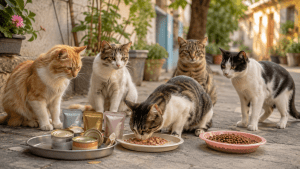
A cat that starts pooping or peeing outside its litter box is often assumed to be misbehaving, but in cats this is very frequently a sign of a medical or emotional problem rather than naughtiness, and it deserves the same careful thought as blood in the stool. Medical causes of house-soiling include digestive upset and urgency, pain on using the tray, urinary problems, and conditions that increase how often or how suddenly a cat needs to go, and blood in the stool or urine often accompanies these. A cat that associates its litter tray with pain, from a urinary problem or from straining, may start avoiding it and going elsewhere. Alongside the medical causes sit environmental and behavioural ones: a tray that is not clean enough, a litter type or depth the cat dislikes, a tray in a busy or exposed location, too few trays for the number of cats, a covered tray a cat finds unpleasant, or stress and territorial marking. The key message is that sudden house-soiling, especially with any blood, straining, or other sign, should be investigated medically before it is treated as a behaviour problem, because punishing a cat for what is actually a medical or stress issue makes things worse and misses the real cause. Once medical problems are ruled out or treated, the environmental side, clean trays, the right litter, enough trays in good locations, and reduced stress, addresses the behavioural component.
A useful rule of thumb for multi-cat homes is one litter tray per cat plus one extra, spread across different locations rather than lined up in a single spot, so that no cat can guard access to them all. Most cats prefer a large, uncovered, unscented tray with a soft, fine litter, kept scrupulously clean, and placed somewhere quiet where the cat will not be startled or cornered while using it. Getting these basics right removes many of the environmental reasons a cat avoids its tray, which matters because a cat that has started soiling for a medical reason can keep doing so out of learned avoidance even after the medical problem is fixed, so the litter setup and the health issue often both need attention.
Blood in urine vs. blood in stool
Because blood in the litter tray can come from either end, and the two mean quite different things, it is worth being clear about telling blood in the stool from blood in the urine, since one of them can be an emergency.
Blood in the stool and blood in the urine are different problems with different causes and urgencies, and in the litter tray they can be confused, especially when stool and urine are together in the litter. Blood in the stool, the subject of this guide, points to the digestive tract and the causes covered above. Blood in the urine points to the urinary system, the bladder and urethra, and is a sign of urinary tract disease, which in cats is common and, in male cats, can be part of the life-threatening blockage discussed in the dedicated guides. A cat straining in the tray could be constipated, which relates to the bowel, or unable to urinate, which is a urinary emergency in a male cat, and telling these apart matters enormously. If you are unsure whether blood is coming from the stool or the urine, or whether a straining cat is constipated or blocked, err on the side of caution, especially with a male cat, and contact the vet, because a blocked male cat unable to pass urine needs emergency care within hours. Where you can, noting whether the blood is on formed stool, in diarrhea, or in a puddle of urine, and whether the cat is passing stool or urine when it strains, helps enormously, and when in doubt a quick call to the vet resolves it safely.
What to do and what to note
When you find blood in your cat’s stool, a little calm observation and information-gathering is both the most useful thing you can do and exactly what helps your vet reach a diagnosis quickly.
First, do not panic at the sight of blood, since in a bright cat it is often minor, but do take it seriously enough to observe carefully. Note the color of the blood, bright red or dark and tarry, and whether it is streaked on the surface of the stool, mixed through it, or in the form of drops or diarrhea. Note how much blood there is and whether this is a one-off or has happened before. Check the stool itself: is it firm and dry, suggesting constipation, or loose, suggesting diarrhea or colitis? Watch how your cat is otherwise, its appetite, energy, behaviour, and whether it is straining, vomiting, or losing weight. Think about recent changes, a new food, a stressful event, anything it might have eaten, or whether its worming is up to date. If you can, collect a fresh stool sample in a clean container to take to the vet, since it can be tested for parasites and other causes and is genuinely valuable. Do not give human anti-diarrhoea or other medicines, which can be harmful to cats. This information, the color, amount, frequency, stool consistency, the cat’s general state, and any recent changes, turns “there was blood” into a clear picture that helps the vet decide how urgently to act and where to look, and a stool sample often shortcuts the diagnosis.
When to call the vet
Bringing it together, the decision about when blood in the stool needs the vet rests on how much, how often, what color, and whether anything else is going on, with a lower threshold for vulnerable cats.
A single small streak of fresh red blood in a cat that is completely well, eating, playing, and normal, can reasonably be watched for a day or two. Beyond that, contact your vet if the blood recurs or increases, if there is a significant amount, if the stool is black and tarry, or if the blood comes with any other sign: diarrhea, vomiting, constipation, persistent straining, weight loss, reduced appetite, lethargy, or a cat that seems at all unwell. Kittens, senior cats, and cats with existing health conditions should be seen promptly even for what looks like a minor amount, since they are more vulnerable and parasites hit kittens hard. Treat as an emergency any male cat that is straining in the tray but unable to urinate, since that is a urinary blockage rather than a bowel issue, and any cat that is bleeding heavily, collapsing, or clearly very unwell. Even a bright cat with recurring blood, over days or weeks, deserves a check-up rather than indefinite watching, because a recurring problem needs its cause found. When you go, bring a fresh stool sample if you can and be ready to describe the color, amount, and frequency of the blood, the stool’s consistency, and any other changes. The guiding principle is that blood in the stool is a clue worth respecting: minor and one-off in a well cat can be watched briefly, but recurring, increasing, dark, or accompanied blood means see the vet.
Frequently asked questions
Why is my cat pooping blood but acting normal?
Blood in the stool from a cat that otherwise seems bright and well is common and often comes from a fairly minor, treatable problem in the lower gut, such as inflammation of the colon, constipation and straining, a dietary upset, stress, or parasites. Because the lower bowel is close to the exit, small amounts of fresh red blood there can appear even when the cat feels fine. That said, ‘acting normal’ does not make blood in the stool something to ignore, because it can also be an early sign of a more significant problem, and cats hide illness well. So while a single small streak in a bright cat can often be watched briefly, repeated or increasing blood, or any other change, means a vet visit.
What does the color of blood in cat poop mean?
Color is a useful clue to where the bleeding is coming from. Fresh, bright red blood, called hematochezia, usually comes from the lower bowel, the colon or rectum, and often appears as streaks on the surface of the stool or as drops after passing it. Dark, black, tarry stool, called melena, suggests digested blood from higher up in the digestive tract, such as the stomach or small intestine, and is generally more concerning. So bright red points lower down and is often from a minor cause, while black tarry stool points higher up and warrants prompt veterinary attention. In both cases, the amount, how often it happens, and any other signs matter alongside the color.
Should I worry if there is a little blood in my cat’s stool?
A single small streak of fresh red blood in a cat that is otherwise completely well can often be monitored for a day or two, as it may come from a passing upset or mild straining. However, you should contact your vet if the blood recurs or increases, if the stool is black and tarry, if there is a lot of blood, if the cat also has diarrhea, vomiting, straining, weight loss, or seems unwell in any way, or if the cat is a kitten, elderly, or has a health condition. Because cats hide illness, blood in the stool should never simply be dismissed just because the cat seems fine, and any doubt is a good reason to call.
Can constipation or diarrhea cause blood in cat poop?
Yes, both can. With constipation, a cat straining to pass hard, dry stool can cause small tears or irritation near the anus and rectum, producing streaks of fresh red blood on otherwise firm stool. With diarrhea, inflammation of the colon (colitis) is a very common cause of blood and mucus in loose stool, and repeated straining irritates the lower bowel further. In both cases the blood is usually fresh and red because it comes from the lower gut. Treating the underlying constipation or diarrhea, which a vet can help with, generally resolves the bleeding, so blood alongside either is a reason to address the primary problem rather than the blood alone.
Why is my cat pooping or peeing outside the litter box?
Toileting outside the litter box can be medical or behavioural, and it should not be assumed to be ‘bad behaviour.’ Medical causes include urinary problems, digestive upset, pain on using the tray, or conditions that increase urgency, and in cats blood in the urine or stool often accompanies these. Behavioural and environmental causes include a dirty tray, disliking the litter type or location, too few trays in a multi-cat home, stress, or territorial marking. Because a medical problem, especially a painful urinary condition, can be behind sudden house-soiling, a cat that starts going outside the tray, particularly with any blood, straining, or other signs, should be checked by a vet before it is treated as a behaviour issue.
Do worms cause blood in a cat’s stool?
They can. Intestinal parasites, including certain worms and single-celled parasites like giardia and coccidia, are a common cause of digestive upset in cats and can lead to diarrhea that may contain blood and mucus, particularly in kittens and cats with outdoor access. You might sometimes see worms or segments in the stool, though not always. Because parasites are common and easily treated, and because kittens in particular can be badly affected, a cat with blood in loose stool should be checked and treated for parasites as part of the assessment, and keeping up routine deworming on your vet’s advice helps prevent this cause.
When should I take my cat to the vet for blood in the stool?
Call your vet if the blood is more than a single small streak, if it recurs or increases, if the stool is black and tarry, if there is significant blood, or if it comes with diarrhea, vomiting, constipation, straining, weight loss, reduced appetite, lethargy, or any sign the cat is unwell. Kittens, senior cats, and cats with existing health problems should be seen promptly, and a male cat straining and unable to urinate is a separate emergency. Even a bright cat with recurring blood deserves a check-up. When you go, a fresh stool sample and a note of the color, amount, and frequency of the blood genuinely help the vet find the cause.
The quick version
Why is my cat pooping blood but acting normal? Blood in the stool of a bright cat often comes from a minor lower-bowel problem, colitis, constipation and straining, a dietary upset, stress, or parasites, which is why a cat can seem fine while leaving a worrying stool. Fresh bright red blood usually means a lower, often milder source, while black tarry stool means digested blood from higher up and is more concerning. Because cats hide illness, “acting normal” does not make blood safe to ignore: a single small streak in a well cat can be watched for a day or two, but recurring, increasing, dark, or accompanied blood means a vet visit, and a straining male cat unable to urinate is a separate emergency.
For related signs, see the guides on worms in cats, vomiting, and signs a cat is sick. Check your cat’s next check-up with the Cat Vaccination & Wellness Schedule, browse the full cat blog and the pet calculators, or explore more free tools on the Waldev homepage.
Medical disclaimer: This guide is for general education and is not a substitute for veterinary advice, diagnosis, or treatment. Blood in the stool can have causes ranging from minor to serious, and only a veterinarian who examines your cat can diagnose the reason. If the blood is more than a single small streak, recurs, is black and tarry, or comes with other signs, contact your veterinarian, and treat a male cat unable to urinate as an emergency.
Blood in the stool is a common sign with many causes; a vet can distinguish minor from serious. Pet owner resources →
Recurring, dark, or accompanied blood in the stool is worth an examination and a stool test. Locate a hospital →