Adopting a cat usually means an adoption fee that often bundles in vaccines, spay/neuter, and microchipping — plus some upfront supplies to set up at home. This guide breaks down what the adoption fee covers, how shelters, rescues, and breeders compare, and the first-year setup, with all figures framed as illustrative examples, not quotes.
Short answer: The cost to adopt a cat is usually a one-time adoption fee charged by a shelter or rescue organization, and the good news is that this fee very often bundles in a lot of value — commonly initial vaccinations, spaying or neutering, microchipping, and sometimes deworming or a vet check. That makes adoption far more economical than it first appears to be, since you’d otherwise have to pay for all of those services separately yourself. On top of the fee itself, you’ll want to budget for some upfront supplies (a litter box, food, a carrier, bowls, a scratching post) and the ongoing costs of cat care over time. Fees vary by organization, by location, and by the cat’s age — kittens sometimes cost more than adult cats do, and senior or special-needs cats may have reduced or even waived fees. Because real fees vary so widely, this guide explains what’s typically included and how to budget, rather than quoting figures — the shelter or rescue gives you the exact fee.
To plan out the full picture — adoption fee plus the setup plus the ongoing care — the cat cost calculator is really the natural tool to use. This guide focuses on the adoption cost question specifically.
What the adoption fee usually includes
Let’s start with the most important point. The single most important thing to understand about adoption cost is that the fee usually covers far more than just the cat itself.
It typically bundles in services you’d otherwise pay for separately.Initial vaccinations. Most reputable shelters vaccinate all of their cats on intake as standard practice, so an adopted cat very often arrives with its core vaccines already started or even fully completed — which is a real and immediate saving for you right away.
Spay or neuter. Many adoption fees include the spay or neuter surgery itself, or else the cat has already been fully altered before adoption, which is a significant value on its own already.
Microchipping. A microchip for permanent identification is frequently included as well, which is something you’d otherwise have to arrange and pay for separately at a later point.
Vet check & deworming. An initial health check by a vet, along with deworming or other routine parasite treatment, are very often part of the overall adoption package as well.
This whole bundling arrangement is really the core reason why adoption is such genuinely good value in the first place. When you genuinely sit down and add up what the initial vaccines, the spay/neuter, the microchipping, and a vet check would each cost individually, an adoption fee that includes all of them together is often less than those services would total on their own — meaning you’re effectively getting the cat itself for very little, or even saving money overall. This is really the single key insight for anyone comparing the cost of adoption to the other routes available: the fee isn’t simply “the price of the cat” at all, it’s actually a discounted bundle of the essential early care. Always ask the shelter exactly what’s included within the fee, so that you know precisely what (if anything) you still need to go and arrange and budget for separately yourself afterward. To see exactly how this fits together with the ongoing costs, the cat cost calculator gives you the full view, and for the vaccines specifically, see what shots cats need.
Vaccines, spay/neuter, and a microchip are often included. See the full cost picture with the cat cost calculator.
Where you adopt makes a difference
Where you adopt shapes the cost. Adoption fees, and what’s included in them, vary quite a bit by the type of organization.
Knowing the options helps you understand the cost and find the right fit.| Source | What to expect | Typical fee level |
|---|---|---|
| Municipal / city shelter | Often the lowest fees of all, frequently with vaccines and spay/neuter included; these shelters have a high need to find homes for cats. | Lower |
| Humane society / SPCA | Moderate fees that usually bundle in vaccines, spay/neuter, and a microchip together. | Low–moderate |
| Breed-specific rescue | Fees vary here; these rescues focus on particular breeds or special needs, often with the early care included. | Moderate |
| Private rehoming | Sometimes free or very low cost, but services may not be included at all — you may need to arrange vaccines and altering yourself afterward. | Variable |
The clear underlying pattern here is that established shelters and humane societies usually charge a modest fee that includes valuable services, while a private rehoming might be cheaper upfront but then leave you to arrange (and pay for) all the vaccines, spay/neuter, and microchipping entirely yourself afterward. So a slightly higher shelter fee can actually turn out to be the genuinely better value overall in the end, once you properly stop and account for absolutely everything that’s bundled into it. When comparing your various options, always try to look at the total picture: a so-called “free” cat that still needs vaccines, altering, and a microchip arranging can easily cost you more in the end than a shelter cat whose fee already neatly includes all of that. The fee level also reflects the organization’s own running costs and its broader mission, with municipal shelters in particular often keeping their fees deliberately low specifically to encourage more adoptions. For budgeting the whole journey, the cat cost calculator helps.
What affects the adoption fee
A few other things move the number too. Beyond the organization type, several factors influence the specific fee you’ll pay.
Understanding them helps you anticipate the cost.The cat’s age. Kittens are often in very high demand and may carry higher fees as a direct result, while adult cats frequently cost rather less — and senior cats may have reduced or even fully waived fees entirely.
What’s included. Fees that bundle in spay/neuter, vaccines, and microchipping together are naturally higher than the bare fees, but they represent considerably more genuine value too.
Special promotions. Shelters often run reduced-fee or even fee-waived adoption events, especially during times when they’re full, which can lower the cost very significantly.
Location & organization. Regional costs and each individual organization’s own policies cause real variation here, much as they do across most other services you might use.
So the fee for any one particular cat really just reflects its age, what care is included with it, any current promotions that are running, and the organization’s own internal policies. A genuinely useful tip worth remembering: adult and senior cats often have lower fees than kittens do, and they can make wonderful, lower-cost companions, sometimes with the lovely added bonus of already being calm and reliably litter-trained. Watch out too for the adoption events and reduced-fee promotions that shelters use to find homes for cats quickly when they need to — these particular events can make adopting a cat remarkably affordable indeed. The key takeaway here is that the fee is rarely arbitrary at all; it usually reflects the real underlying value (all the bundled care) along with the organization’s genuine effort to place cats in good homes. It’s always worth asking the shelter about any current promotions running and exactly what each fee includes for you. The cat cost calculator can fold the fee into your overall budget.
Upfront supplies to budget for
The fee isn’t quite the whole story. Beyond the adoption fee itself, a new cat needs some basic supplies to settle in at home.
These are one-time or occasional costs to plan for at the start.The essentials
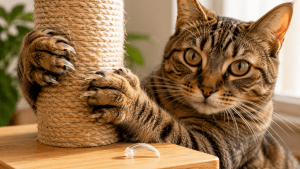
A litter box and litter, food and water bowls, some food, a carrier for transport, and a scratching post together cover the basics that every cat needs from its very first day at home.
Comfort & enrichment
A comfortable bed, a few toys, and perhaps a cat tree or a window perch all help a new cat feel at home and stay happily enriched.
Grooming basics
A brush and a pair of nail clippers are both inexpensive and genuinely useful to have, especially for longer-haired cats that need fairly regular grooming.
Safety & ID
A collar with an ID tag (alongside the microchip the cat very likely already has) is a small but genuinely worthwhile cost for added safety and peace of mind.
The good news here is that most of the starter supplies are genuinely one-time purchases that last a long while, and you can spend quite modestly to begin with. The essentials — the litter box, litter, bowls, food, a carrier, and a scratching post — are what you truly need on day one; the comfort and enrichment items can all be added gradually over the following weeks. Many of these supplies can be found very affordably, and a new cat truly doesn’t need an elaborate or expensive setup to be perfectly happy. Budgeting a modest amount for setup alongside the adoption fee itself gives you a far more realistic picture of the true upfront cost of bringing a new cat home. After that initial one-time outlay is done, the supply costs simply settle into the steady ongoing rhythm of buying food and litter. The cat cost calculator helps you total the setup and ongoing supplies.
The bigger first-year picture
It helps to zoom out a little here. Adoption is really just the start of a longer cost picture.
It helps to see the fee in the context of the full first year, which is the most expensive due to setup and early care.The adoption fee. Often just a single one-time cost that bundles in much of the early vet care, as already covered above — and it’s usually the most economical part of the whole picture.
Setup supplies. The one-time outlay for the litter box, carrier, scratching post, bowls, and so on, mostly concentrated in the first few weeks at home.
Early vet care. Any vaccines not already covered by the fee, plus a first wellness check — though much of this may already be included in the adoption itself.
Ongoing essentials. Food, litter, and routine care that all continue on steadily throughout the first year and indeed well beyond it too.
Thinking in terms of the whole first year, rather than just the adoption fee in isolation, gives you by far the most honest and useful budget. The fee itself is very often the real bargain in all of this — bundling in so much of the early care — while the setup supplies and the first round of ongoing costs simply make up the rest of year one. The genuinely encouraging part of all this is that, because adoption fees include so much of the early vet care already, an adopted cat’s first year can actually work out more economical than starting completely from scratch with an unvaccinated, unaltered cat from somewhere else entirely. And after that front-loaded first year is behind you, the ongoing costs settle into a steady, predictable, and manageable rhythm. Seeing the whole picture clearly upfront prevents nasty surprises later and helps you go ahead and adopt with real confidence. The cat cost calculator is built for exactly this, and for the routine-care side, see vaccination costs and spay/neuter costs.
Fee plus setup plus ongoing care. Total it all with the cat cost calculator.
What the adoption process involves
The how matters as much as the how much. Cost isn’t the only thing people wonder about — understanding the process helps you know what to expect and why the fee is structured the way it is.
Most shelters and rescues follow a similar, straightforward path.You visit the shelter in person, or browse the listings online, then meet a few of the cats that might suit you, and spend a little time getting to know a potential match before deciding anything.
Most organizations will ask you to fill out an adoption application covering your home and lifestyle, simply to help ensure a genuinely good fit for both you and the cat.
Once your application is approved, you pay the adoption fee, which (as we’ve covered) very often includes vaccines, spay/neuter, and a microchip already done.
You then receive the cat’s medical records, any included items, and some helpful guidance, before finally bringing your new companion home to settle in properly.
Knowing the process makes the fee much easier to understand: it really isn’t just a simple price tag at all, but part of a careful effort to match cats with suitable homes and to send each cat off with its early care already complete. The application step, which some people find a little surprising at first, exists purely to protect the cats and to set up successful, lasting adoptions, not to make things difficult for you. And because the fee bundles in the early veterinary care, you leave the shelter not just with a cat but with much of its initial health needs already handled, completed, and properly documented. Getting hold of the cat’s full records is genuinely important, so that you and your vet both know exactly what has and hasn’t already been done. For where the included vaccines fit, see what shots cats need, and plan the budget with the cat cost calculator.
The fee includes early care — take the documentation. Plan the rest with the cat cost calculator.
What ongoing cat costs look like
The adoption fee is a one-time cost, but it helps to look ahead to the ongoing costs of cat ownership, so the adoption decision is made with the full picture in mind.
Food. A regular, recurring cost — this is genuinely the main ongoing expense for most cats, and it varies a fair bit with the particular type of food you choose to feed.
Litter. An ongoing essential that’s replenished fairly regularly — modest in amount each time but genuinely continuous over the months and years.
Routine vet care. Annual wellness exams and periodic vaccine boosters, which are reassuringly predictable and nicely spaced out after that first year is behind you.
Occasional extras. Replacement toys now and then, the occasional new scratching post, ongoing flea and parasite prevention, and a sensible buffer set aside for any unexpected vet needs.
Understanding the ongoing costs upfront prevents the very common mistake of budgeting only for the adoption itself and then being caught out and surprised later on. The genuinely reassuring part is that, after the front-loaded first year is over, ongoing cat costs are generally steady and quite manageable — with food and litter being the main recurring items, and the routine vet care nicely spaced out over time. Many people happily find a cat to be one of the more affordable companion animals to keep over the long term, all things considered. Building a small financial buffer for any unexpected veterinary needs that may come up down the line is always wise, and some owners choose to consider pet insurance for exactly that kind of purpose. Seeing the adoption fee as simply the entry point into a manageable ongoing budget, rather than as a single one-off cost, leads to a far more confident and well-prepared adoption in the end. The cat cost calculator is designed to map both the upfront and ongoing costs together, and for the recurring vaccine side, see what shots cats need yearly.
Ongoing costs are steady and manageable. Map upfront and ongoing together with the cat cost calculator.
Adopting vs buying from a breeder
This comparison comes up a lot. People often weigh adopting a cat against buying one.
On cost alone, adoption is usually far more economical, and it comes with other benefits too.| Aspect | Adopting | Buying from a breeder |
|---|---|---|
| Upfront cost | A modest adoption fee, often with much of the early care already bundled in. | Typically much higher, and especially so for the more popular breeds. |
| Early care included | Often vaccines, spay/neuter, and a microchip are all included. | It varies; you may well need to arrange and pay for these separately. |
| Choice | Many cats and kittens of all kinds, all needing good homes. | A specific breed and a known lineage. |
| Impact | Gives a much-needed home to a cat in need. | Supports a particular breeder’s operation. |
For most people who simply want a wonderful companion to share their home with, adoption wins clearly on cost and also offers the genuine reward of giving a cat a loving home of its own. The adoption fee, with all of its bundled care, is typically far less than a breeder’s full price, especially for the most sought-after breeds, and shelters genuinely do have cats and kittens of every kind, including purebreds and beautiful mixed-breed cats alike. Buying from a breeder is a choice that some people make for a very specific breed they want, but it usually costs considerably more overall, and the early veterinary care may well not be included in that higher price. And if budget matters at all — and for a great many people it certainly does — adoption is the clear value choice here, with the added good of helping a cat genuinely in need. For the breed-specific cost questions, our breed guides cover those separately. Plan whichever route with the cat cost calculator.
Making adoption affordable
Affordability is very achievable here. If cost is a concern, there are several legitimate ways to keep adoption affordable while still giving a cat a great home.
Adult and senior cats often have lower fees (and sometimes even waived ones entirely), and many of them are calm, affectionate, and already reliably litter-trained — making them wonderful companions at a notably lower cost.
Shelters frequently run reduced-fee or even fully fee-waived events, especially during the times when they’re full. Timing your adoption to coincide with one of these events can genuinely save you a significant amount.
You really don’t need an elaborate or expensive setup at all. The essentials comfortably cover day one, and you can always add the comfort and enrichment items in gradually afterward as you go.
Choosing a shelter cat whose fee already includes the vaccines, altering, and a microchip avoids you having to pay for all of those things separately later on — which is very often simply the best overall value available anywhere.
The genuinely reassuring reality is that adopting a cat can be very affordable indeed, especially if you’re open to an adult or senior cat, keep an eye out for adoption events, and start out with modest supplies. The bundled care in most shelter fees means that much of the early veterinary cost is already handled for you, which is a substantial saving compared with the other routes. None of this requires you to compromise at all on the cat itself — there are wonderful cats of every age and kind waiting in shelters right now, and the lower-cost options (adult cats, fee-waived events) are very often the most rewarding ones of all. Adoption really does prove that giving a cat a loving home of its own doesn’t have to be expensive at all in the end. Plan your full budget out with the cat cost calculator so that you can bring your new cat home with real confidence.
The ASPCA provides guidance on cat adoption, what to expect, and the costs of responsible cat ownership.
The Humane Society offers resources on adopting from shelters and rescues and preparing for a new cat.
External references: ASPCA and The Humane Society.
The cost, summed up
If you want the practical bottom line on what it costs to adopt a cat, here’s the whole picture distilled into a few clear points.
It’s mainly an adoption fee. This is charged by the shelter or rescue, varying by organization, by location, and by the cat’s age — and the shelter itself is the one that gives you the exact figure.
The fee bundles real value. Vaccines, spay/neuter, microchipping, and a vet check are all commonly included, which makes the fee far more than just the bare price of the cat.
Budget setup and ongoing care too. You’ll also want to add the one-time supplies (litter box, carrier, scratching post) and the ongoing food, litter, and routine vet care too.
It’s affordable and rewarding. Adult and senior cats, reduced-fee adoption events, and the bundled care all keep adoption excellent value, while giving a cat a much-needed home.
Put it all together, and the honest answer to “how much is it to adopt a cat” is that it’s usually just a modest adoption fee — one that bundles in much of the early veterinary care — plus some one-time setup supplies and then the ongoing costs of cat ownership. Because the fee includes so very much already, adoption is genuinely one of the most economical and rewarding ways to bring a cat home, and especially so if you’re open to an adult or senior cat, or you keep an eye out for the adoption events. Rather than fixating on a single number, the best approach is simply to ask the shelter exactly what the fee includes, budget modestly for the setup, and plan ahead for steady ongoing costs. The shelter or rescue gives you the exact fee for your chosen cat. To pull the upfront and ongoing costs together into one clear budget, use the cat cost calculator, and see vaccination costs for the routine-care side.
Frequently asked questions
How much is it to adopt a cat?
It’s usually an adoption fee charged by a shelter or rescue, and that fee often bundles in the initial vaccines, spay/neuter, microchipping, and sometimes deworming or a vet check too — which makes it genuinely good value. On top of the fee, you’ll want to budget for some upfront supplies and the ongoing care. Fees vary by organization, by location, and by the cat’s age. Because they vary so widely, the shelter or rescue gives you the exact fee, but the bundled care usually makes adoption far more economical than it first appears.
What does the adoption fee include?
It commonly includes the initial core vaccinations, the spaying or neutering (or else the cat has already been altered), microchipping, and very often an initial vet check and deworming as well. This bundling is exactly why adoption is such genuinely good value — all of those services would cost considerably more if you had to arrange them separately. Always ask the specific shelter or rescue exactly what’s included, so that you know what (if anything) you still need to arrange and budget for yourself.
Why do adoption fees vary so much?
Because they reflect the type of organization, the cat’s age, what care is bundled into the fee, any current promotions, and the location. Municipal shelters often deliberately keep their fees low to encourage adoptions; humane societies and rescues vary more. Kittens may cost more than adult cats, and senior cats may have reduced or waived fees. A higher fee that includes vaccines, spay/neuter, and a microchip can actually be much better value than a “free” cat that needs all of that arranged separately.
Is adopting cheaper than buying from a breeder?
Usually, yes — and often quite significantly so. Adoption fees are typically far lower than breeder prices, especially for the popular breeds, and they often bundle in vaccines, spay/neuter, and microchipping that you’d otherwise have to pay for separately. Shelters genuinely have cats and kittens of every kind, including purebreds and lovely mixes. For most people simply wanting a companion, adoption is the clear value choice, and it gives a home to a cat in need.
What supplies do I need to budget for?
The day-one essentials are simply a litter box and litter, food and water bowls, some food, a carrier, and a scratching post. Helpful additions include a bed, a few toys, a brush, nail clippers, and a collar with an ID tag. Most of these are one-time purchases that last a good while. You don’t need an elaborate setup at all — the essentials cover the start, and you can add comfort and enrichment items gradually as your budget allows.
Are adult cats cheaper to adopt than kittens?
Often, yes they are. Kittens are in high demand and may carry higher fees, while adult cats frequently have lower fees and seniors may have reduced or fully waived ones. Adult and senior cats can make truly wonderful companions — many are calm, affectionate, and already litter-trained — all at a lower cost. If affordability matters to you, an adult or senior cat is often both the kinder and the more economical choice to make.
Can I find free or reduced-fee cat adoptions?
Yes, you often can. Shelters frequently run reduced-fee or fully fee-waived adoption events, especially during times when they’re full, and senior or special-needs cats may have waived fees all year round. Even when a fee does apply, remember it often bundles in vaccines, spay/neuter, and a microchip, so it’s usually still excellent value. Watching out for these events and being open to an adult or senior cat are the two best ways to adopt affordably.
What’s the first-year cost of an adopted cat?
The first year is the most expensive because of the setup and early care, but adoption really softens that blow: the fee bundles in much of the early vet care, and then you simply add the one-time setup supplies and the ongoing food and litter. Because so much early care is already included, an adopted cat’s first year is often more economical than starting completely from scratch elsewhere. After year one, the ongoing costs settle into a steady, manageable rhythm.
Plan your adoption budget
Adoption is one of the most affordable and rewarding ways to bring a cat home — especially with the early care so often bundled into the fee. The Waldev cat cost calculator helps you plan the adoption fee, setup supplies, and ongoing care together, so you can adopt with confidence. The shelter or rescue provides the exact current fee and what it includes.
Plan your cat budget → Adoption fee, setup, and ongoing care.
Related cost guides
- How much does it cost to vaccinate a cat? — routine care, often bundled in adoption.
- Cost to get a cat fixed — spay/neuter, often included in the fee.
- What shots do cats need? — the vaccines an adopted cat may have.
- How much does it cost to cremate a cat? — end-of-life costs.
A quick disclaimer
This guide is for general education and budgeting orientation, not a price quote. Adoption fees, what they include, and available promotions vary widely by organization, region, and over time, which is why no specific figures are given here — the shelter or rescue provides the exact current fee and details. Always confirm what care is included and what you still need to arrange. Waldev is not affiliated with any shelter, rescue, or breeder, and the estimates produced by our calculators are illustrative planning aids only, not quotes.