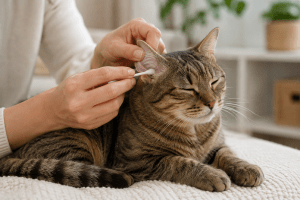
Increasingly, the answer is no. Declawing is banned in many countries and a growing number of U.S. places, and a large and rising number of veterinarians decline to perform it on welfare grounds. This guide explains where things stand on legality, why attitudes have shifted, and what to do instead — with humane alternatives at the center.
Short answer: Fewer and fewer do. Declawing (onychectomy) is banned or heavily restricted in many countries — and in a growing number of U.S. states, cities, and counties — and even where it remains legal, many veterinarians now decline to perform it on ethical and welfare grounds. Major veterinary and animal-welfare organizations now actively discourage routine declawing, reserving it (if ever at all) for the rare and specific medical situations identified by a vet, rather than for mere owner convenience. So while you may indeed still manage to find a clinic that performs it in certain places, the clear and accelerating overall trend is now firmly away from declawing altogether, and toward the humane alternatives for managing a cat’s natural scratching. This guide covers the legality, the reasons behind the shift, and what to do instead.
This particular article here is really the dedicated ethics-and-availability companion to our cost-focused guide on how much it costs to declaw a cat. Together the two of them make the very same overall case throughout: declawing is a serious procedure that’s genuinely best avoided wherever possible, and there are effective humane alternatives readily available to almost everyone. And for budgeting those humane alternatives properly across the year, the cat cost calculator can help you plan ahead.
Where things stand today
Let’s start with the current reality. The whole landscape around declawing has shifted quite significantly in recent years.
Understanding the current picture helps set realistic expectations about availability.Banned in many countries. Numerous countries around the world now prohibit declawing outright, treating it as a fundamentally unacceptable procedure except perhaps in the rare cases of genuine medical necessity.
Restricted in growing U.S. areas. An increasing number of U.S. states, cities, and individual counties have banned or restricted it just within recent years, with that list continuing to grow steadily longer over time as the awareness spreads further.
Many vets decline it. Even where it does still remain legal, a large and steadily rising share of veterinarians simply won’t perform routine declawing at all anymore, on firm and considered ethical grounds.
Welfare consensus against it. Major veterinary and animal-welfare bodies now actively discourage it, and that broad consensus shapes both the law and individual clinical practice alike, right across the board.
So the honest summary here is simply that declawing is steadily becoming both legally restricted in many places now, and professionally avoided by the vets themselves in a great many others as well. Where declawing was once a fairly routine offering at a great many clinics, it’s now something that a great many of those same clinics simply don’t do at all anymore, and that many whole regions don’t even legally allow in the first place. This doesn’t mean it’s completely impossible to find anywhere at all — in some places it does still remain legal and a minority of clinics continue to offer it even now — but the overall direction of travel is quite unmistakable by this point, and the reasons behind it are very well established indeed. For anyone still wondering whether to pursue declawing at all, the far more useful question is really what to do instead, which both this guide and its cost companion address directly. Plan humane alternatives with the cat cost calculator.
What declawing actually involves
The terminology hides a lot here. To understand why attitudes have shifted, it really helps to be clear about what declawing actually is — because it’s far more serious than the casual name implies.
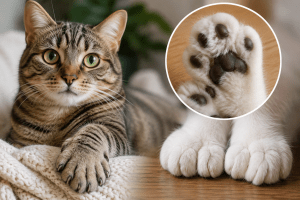
It’s amputation. Declawing removes the entire last bone of each individual toe, and not merely the claw itself — which is genuinely comparable to amputating a human finger right at the very last knuckle.
It’s surgery under anesthesia. It requires full general anesthesia, careful pain management throughout, and a genuine recovery period afterward, exactly like any other significant surgery would do.
It’s permanent. The procedure is entirely irreversible; there is quite simply no undoing it at all once it has been done.
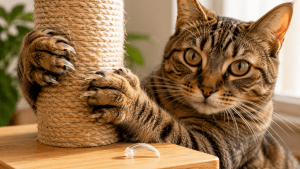
It targets a natural behavior. Scratching is completely normal and genuinely necessary behavior for cats; declawing surgically prevents it altogether, rather than managing it sensibly through other means.
This is really the crux of why the veterinary profession’s whole view on the matter has changed so very much over recent years. When declawing is understood accurately — that is, as the surgical amputation of bone, performed under general anesthesia, purely to prevent an entirely natural behavior — it becomes very clear indeed why so many vets and welfare bodies now oppose its routine use. The casual everyday name “declawing” rather obscures the reality of it all; the proper medical term, onychectomy, far more honestly describes an actual amputation. Combined with the ready existence of effective humane alternatives, this much clearer understanding has driven both the legal bans in many places and the widespread professional reluctance elsewhere. For the full picture on what it would cost where it’s still done (and why alternatives win on cost too), see how much it costs to declaw a cat.
Understanding the procedure explains the shift. See the cost angle in how much it costs to declaw a cat.
Why attitudes have shifted
This change has been building for a while. The move away from declawing certainly didn’t happen overnight.
Several converging factors explain why vets and lawmakers increasingly oppose it.Wider recognition that declawing is genuinely an amputation of bone, rather than just a simple claw removal, gradually changed how both the professionals and the wider public came to view the whole procedure over time.
Growing attention to the potential complications, and to the lasting effects on a cat’s comfort and behavior, raised increasingly serious concerns within the profession itself over time.
As nail trims, caps, posts, and gentle training all steadily proved that they could manage scratching perfectly well between them, the justification for ever resorting to surgery largely disappeared entirely.
Welfare organizations first, and then lawmakers in many different places, formalized the emerging consensus into formal guidelines and outright bans, which only accelerated the whole shift further.
Put together, these factors created a clear movement: once it became widely understood that declawing really is amputation, that it carries genuine welfare risks, and that humane alternatives actually work very well, the case for routine declawing simply collapsed entirely. Veterinary and welfare organizations articulated this view clearly, individual vets gradually adopted it in their own everyday practice, and lawmakers in many places eventually turned it into outright bans. This whole shift really reflects a genuine evolution in how we now understand and properly value feline welfare overall, rather than any kind of arbitrary or merely fashionable change. For pet owners, the practical upshot of all this is genuinely encouraging: the very alternatives that drove the shift are exactly what you can now use yourself to manage scratching humanely and affordably. Budget them with the cat cost calculator, and see the cost comparison in our declawing cost guide.
The welfare concerns that drive the shift
At the heart of why vets increasingly decline declawing are genuine welfare concerns. Understanding them, in general terms, explains the professional consensus.
Surgical and recovery risks. As with any surgery at all, there are inherent risks during both the procedure itself and the recovery period that then follows, including the very real potential for pain or for complications along the way.
Possible lasting discomfort. Because the procedure actually removes bone from each individual toe, some cats may go on to experience lasting effects on how they stand, walk, or use the affected paw afterward.
Behavioral changes. Some cats may show noticeable changes in their behavior afterward as well, which welfare bodies frequently cite among the key reasons for real caution about the whole procedure.
Loss of a natural function. Claws serve a whole number of genuinely real purposes for a cat — balance, grip, defense, and natural behavior — and removing them takes every single one of those away permanently.
These various concerns, taken all together as a whole, are really why the broad welfare consensus has now formed so firmly against routine declawing in the first place. None of these concerns are at all exotic or even particularly controversial within the profession itself; they follow directly and quite logically from the very nature of the procedure as an amputation that removes a genuinely functional part of the cat. When weighed against the simple fact that the behavior declawing addresses — namely the scratching — can be managed perfectly humanely through other means instead, the risks simply aren’t justified for what is fundamentally an elective procedure. This is precisely the reasoning that now informs both the legal bans in many places and the individual day-to-day decisions of the many vets who choose to decline. For pet owners in particular, it all points very clearly indeed toward the humane alternatives instead, which conveniently avoid every single one of these welfare concerns entirely. Our declawing cost guide covers the same ground from the cost angle, and the cat cost calculator helps budget the humane options.
The concerns follow from the procedure’s nature. Alternatives avoid them — budget with the cat cost calculator.
Legality varies by region
Geography matters enormously here. Whether declawing is even legal at all depends heavily on where exactly you happen to live.
The picture is a patchwork that’s steadily moving toward restriction.| Region type | General picture |
|---|---|
| Many countries | Declawing is banned or heavily restricted there, and permitted only for genuine medical necessity, if at all. |
| Some U.S. states | A growing number of individual states have now enacted statewide bans or restrictions on it. |
| Some U.S. cities/counties | Various individual cities and localities have banned it even where the state itself hasn’t yet. |
| Other U.S. areas | It may still remain technically legal, though many individual vets there still decline to perform it anyway. |
Because the legal status varies so much from place to place and continues to change over time, the only truly reliable way to know the rules where you live is to check the current local regulations and ask local veterinarians directly. The clear overall trend, though, is toward more restriction rather than less — the list of bans grows steadily over time, reflecting the broad welfare consensus. Even in those places where it does still remain technically legal, you’ll often find that the vets in your own particular local area decline to perform it anyway, which effectively limits the real availability regardless of what the law itself happens to allow. So the practical reality for a great many people these days is simply that declawing isn’t really an accessible option at all anymore, whether due to the law, to professional refusal, or to both of those at once. So rather than spending all your time searching around for a clinic that will still do it, the genuinely constructive path is really the humane alternatives covered just below, and also in our cost guide.
Why many vets decline even where legal
This part surprises many people. A striking part of the whole picture is that many veterinarians simply won’t perform declawing even where it remains perfectly legal.
Their reasons are worth understanding.Professional ethics. Many vets simply view routine declawing as fundamentally inconsistent with both their professional commitment to animal welfare and the basic guiding principle of doing no unnecessary harm.
Welfare guidance. Veterinary and welfare organizations now actively discourage it, and a great many individual vets choose to follow that guidance quite closely in their own day-to-day practice.
Availability of alternatives. Knowing full well that the scratching can be managed perfectly humanely through other simple means, many vets simply see no justification at all for ever resorting to surgery for it.
It’s elective and irreversible. For what is fundamentally an elective and entirely permanent procedure performed on an otherwise perfectly healthy cat, many vets simply won’t take that step at all anymore.
This professional reluctance is genuinely significant precisely because it means that even where the law itself still allows declawing, you may well struggle to find any vet at all actually willing to do it — and that’s really a feature, not a flaw, of a profession increasingly centered firmly on animal welfare. A vet who declines to declaw, and instead helps you manage the scratching humanely, is genuinely acting in your cat’s best interest throughout. Rather than seeing this as some kind of obstacle in your way, it’s genuinely worth taking it as helpful guidance: if the very professionals who care for cats are increasingly unwilling to declaw, that really does tell you something quite important about the procedure itself. The constructive response, then, is simply to work together closely with your own vet on the humane alternatives instead, which they will very gladly help you with. See those alternatives next, and the cost picture in our declawing cost guide.
It signals the procedure’s seriousness. Work with them on humane alternatives, budgeted via the cat cost calculator.
What to do instead
Here’s the genuinely encouraging part. If scratching is the concern that led you here in the first place, the good news is that it’s very manageable indeed without any surgery.
These humane alternatives are what vets and welfare bodies recommend.Regular nail trims
Keeping the claws blunt with routine trims reduces any potential damage and is genuinely simple to learn to do yourself, or to have done quickly at the vet or groomer.
Scratching posts & pads
Providing appealing scratching surfaces redirects the natural scratching away from your furniture — and here both the placement and the variety on offer really do matter a great deal.
Soft nail caps
Soft vinyl caps glued gently over the claws blunt their effect almost entirely, and are simply replaced periodically as they grow out along with the nail — completely non-surgical and quite inexpensive.
Training & deterrents
Rewarding the cat for using the post, while using gentle deterrents on the furniture in the meantime, redirects the behavior steadily and quite reliably over time.
Used together as a single combination, these approaches manage scratching effectively for the great majority of cats out there, which is precisely why they’ve now largely displaced declawing in professional recommendations almost everywhere. Cats genuinely do need to scratch; so the goal here is always to give them an appealing outlet for that urge and to keep their claws blunt, rather than to surgically remove the ability altogether. Most cats take very readily indeed to a good, sturdy scratching post placed exactly where they naturally want to scratch, and regular trims plus a set of nail caps comfortably handle whatever is left over. These methods are all genuinely humane, effective, and far cheaper than any surgery ever would be — a point that our cost guide makes in considerable detail too. For anyone who came here originally wondering where on earth they could even get a cat declawed these days, this is really the honest answer: you almost certainly don’t need to at all, and these humane alternatives will comfortably solve the underlying problem instead. Budget them easily with the cat cost calculator.
Common myths about declawing
A few stubborn myths persist here. Several persistent myths keep the question of declawing alive long after the profession itself has largely moved on.
Clearing them up explains a lot about why vets increasingly decline it.Myth: “It’s just like a nail trim”
No — a trim is simple, painless routine grooming, while declawing is the surgical amputation of bone under general anesthesia. The two of them genuinely couldn’t be much more different.
Myth: “Indoor cats need it”
Indoor cats scratch quite naturally too and that’s perfectly fine; scratching posts and regular trims manage it all very well indeed. Being kept indoors is honestly no reason at all for surgery.
Myth: “There’s no alternative”
There are in fact several effective and humane alternatives readily available, which is exactly why declawing has steadily fallen so far out of favor over time.
Myth: “All vets offer it”
Many vets now decline it outright, and it’s banned in a great many places too — so it’s really very far indeed from being a standard, universally available service.
These particular myths genuinely matter because they’re so often exactly what keep people asking whether they can even get a cat declawed at all, when the far better question is simply how to manage the scratching in the first place. Once these particular myths are properly set aside — once it’s clear that declawing isn’t a trim at all, that indoor cats simply don’t need it, that effective alternatives genuinely exist, and that it’s far from universally offered anymore — the path forward becomes really quite obvious. The reality that the profession has now embraced is simply far more accurate than these few lingering old assumptions. So if any of these particular old ideas first prompted your question, it’s genuinely well worth taking a quiet moment to update them; doing so leads quite naturally toward the humane and effective alternatives instead. For the cost comparison that reinforces the point, see our declawing cost guide, and budget the alternatives with the cat cost calculator.
The myths fuel the question; the facts point to alternatives. See the cost guide for more.
What about indoor-only cats?
This particular reason comes up a lot. A very common reason people ask about declawing is that their cat lives entirely indoors.
It’s worth addressing this directly, because being indoors changes nothing about the case against declawing.Indoor cats still scratch. Scratching is an entirely innate behavior used for territory marking, stretching, and claw maintenance — so whether kept indoor or outdoor, all cats do it quite naturally and instinctively.
It’s still amputation. The procedure itself is exactly the same regardless of where the cat happens to live; being kept strictly indoors doesn’t make it even one bit less serious a surgery.
Alternatives work indoors. Scratching posts, regular nail trims, and nail caps manage indoor scratching just as well as anywhere else, protecting your furniture entirely without any surgery.
Claws have value. Even strictly indoor cats use their claws for balance, grip, and various other natural behaviors; so keeping them fully intact genuinely supports the cat’s overall wellbeing.
So the indoor-cat rationale really doesn’t hold up at all under any real scrutiny: an indoor cat scratches simply because scratching is entirely natural to it, and that natural behavior is always best accommodated sensibly, rather than being surgically removed. The very same humane alternatives that work for any cat at all — an appealing post, regular trims, and a set of nail caps if they’re needed — protect an indoor home perfectly well too in everyday practice. If anything, an indoor cat’s scratching is especially easy to manage well in practice, since you control the whole environment yourself and can place the posts exactly where they’re actually needed most. Keeping an indoor cat’s claws fully intact supports its balance, comfort, and natural behavior all at once, and at no real cost to your furniture once the simple alternatives are properly in place. For the cost side, our declawing cost guide shows the alternatives are cheaper too, and the cat cost calculator helps you budget them.
Finding the right veterinary support
This reframes the whole search. Rather than searching for a vet who will declaw, the far more productive goal is finding a vet who will help you manage scratching humanely.
Most will do so gladly.Tell your vet the real underlying issue first — the damaged furniture, the scratches — rather than simply asking outright for declawing. They can then recommend humane solutions tailored specifically to your own cat and home.
Your vet or a groomer can trim the nails for you and gladly teach you how to do it yourself at home, and can advise on nail caps too if they’d be helpful in your particular case.
Vets can readily advise on scratching post selection, the ideal placement of them around the home, and the gentle training needed to redirect the scratching successfully over time.
If the scratching ever seems excessive, or comes on quite suddenly, your vet can also check for any underlying cause that might genuinely be worth addressing too.
A good veterinary relationship is built squarely around your cat’s long-term wellbeing, and a vet who gently steers you away from declawing and toward the humane alternatives is really doing exactly that for you. Far from being unhelpful in any way at all, such a vet is genuinely giving you the much better path to follow here, for your cat’s sake. If you frame the whole conversation around the real underlying goal — simply living comfortably alongside a clawed cat — you’ll quickly find that most vets are enthusiastic partners in solving it together without any surgery at all. This collaborative approach resolves the underlying concern far more durably than declawing ever really could have, and it keeps your cat whole, comfortable, and content throughout. For the cost side of the alternatives versus surgery, see our declawing cost guide, and plan your cat budget with the cat cost calculator.
The ASPCA provides guidance on declawing, its welfare concerns, and humane alternatives for managing scratching.
The Humane Society offers resources on declawing alternatives and understanding feline scratching behavior.
External references: ASPCA and The Humane Society.
The bottom line
If you came here simply wondering whether vets still declaw cats, here’s the whole picture distilled into a few clear points.
Increasingly, no. Declawing is banned in many countries and a growing number of U.S. places now, and many vets decline to do it even where it does remain legal.
The reason is welfare. It’s the surgical amputation of bone, not a simple trim, carrying real risks and possible lasting effects — which is precisely why the whole consensus has turned so firmly against it.
Alternatives drove the shift. Regular trims, scratching posts, nail caps, and training all manage the scratching well, which effectively removes any remaining justification for surgery.
The constructive path is clear. Work together with a vet on the humane alternatives, rather than searching around for a clinic that will still declaw.
Put quite plainly: the whole era of routine declawing is steadily coming to an end now, and that’s very much by design, reflecting both a far clearer understanding of the procedure itself and a much stronger collective commitment to feline welfare overall. For anyone whose question really came from a genuine concern about scratching, the answer isn’t to track down some vet who will still declaw at all — it’s simply to embrace the humane alternatives that have made declawing largely unnecessary in the first place anyway. A vet who declines to declaw, and instead helps you to manage the scratching, is offering you the genuinely better path forward here, and your cat gets to keep both its claws and its comfort intact. The overall trend away from declawing is genuinely good news for everyone involved: it means that cats are now far better protected, and that owners have effective, affordable tools to live happily alongside a clawed cat. For the cost comparison, see our declawing cost guide, and plan the humane essentials with the cat cost calculator.
Frequently asked questions
Do vets still declaw cats?
Fewer and fewer of them do. Declawing is banned or restricted in many countries and a growing number of U.S. states, cities, and counties, and even where it does remain legal, many veterinarians now decline to perform it on ethical and welfare grounds. You may still find a clinic that does it in some places, but the clear, accelerating trend is away from declawing and toward humane alternatives. Major veterinary and welfare organizations discourage routine declawing.
Why don’t vets want to declaw cats anymore?
Because it’s now understood as amputation — removing the entire last bone of each toe, not just the claw — performed under general anesthesia, with potential complications and lasting effects, purely to prevent a natural behavior. As effective humane alternatives (trims, posts, caps, training) proved they manage scratching well, the justification for surgery largely disappeared. Many vets view routine declawing as inconsistent with animal welfare, and welfare organizations discourage it, so many decline even where it remains legal.
Is declawing illegal?
It really depends on where you happen to live. Declawing is banned or heavily restricted in many countries, and in a growing number of U.S. states, cities, and counties as well. In other U.S. areas it may still remain legal, though many individual vets there decline to perform it anyway. The legal picture is a genuine patchwork that keeps moving toward more restriction over time. Check the current local regulations and ask local veterinarians to know the exact rules where you are.
Where can I still get a cat declawed?
In some areas where it does still remain legal, a minority of clinics may continue to perform it, but availability is steadily shrinking due to both the bans and widespread professional refusal. Rather than searching for one, it’s worth considering that the widespread reluctance genuinely reflects real welfare concerns, and that humane alternatives manage scratching effectively anyway. The constructive path is to work with a vet on nail trims, scratching posts, nail caps, and training, which solve the problem entirely without surgery.
What are the alternatives to declawing?
Regular nail trims to keep the claws blunt, appealing scratching posts and pads to redirect the natural scratching, soft vinyl nail caps glued gently over the claws, and positive training paired with gentle deterrents on the furniture. Used together as a combination, these manage scratching well for the great majority of cats — which is exactly why they’ve now replaced declawing in professional recommendations. They’re humane, effective, and far cheaper than surgery, with none of the risks at all.
Will a vet refuse to declaw my cat?
Many will refuse, even where it’s perfectly legal — and a vet who declines is genuinely acting in your cat’s best interest. They view routine declawing as inconsistent with animal welfare and choose to follow the guidance discouraging it. Rather than seeing this as an obstacle, take it as meaningful: if the very professionals who care for cats increasingly won’t declaw, that really says something about the procedure. A good vet will gladly help you manage the scratching with humane alternatives instead.
Is declawing ever medically necessary?
Rarely indeed. In unusual and very specific medical situations — such as certain tumors or severe disease affecting the toe itself — a veterinarian might identify a genuine medical reason for it. This is entirely different from elective declawing for scratching or convenience, which is precisely what welfare bodies discourage and what many places now ban. Such medical cases are genuinely uncommon and always determined by a vet; they’re not a basis for routine declawing requests.
What should I do if I’m worried about scratching?
Talk to your vet about the real goal — simply living comfortably alongside a clawed cat — rather than about declawing itself. Provide an appealing scratching post right where the cat currently scratches, keep its claws trimmed, consider nail caps, and use gentle deterrents on the furniture while rewarding use of the post. Most cats will redirect quite readily enough with this kind of gentle approach. And if the scratching ever seems excessive or comes on quite suddenly, do ask your vet to check for any underlying cause. These few simple and humane steps solve it well without any surgery.
The humane path forward
The overall trend here is now clear: declawing is increasingly restricted by law and declined by vets alike, in favor of the humane alternatives that manage scratching just as well. If scratching is your concern, work with your vet on trims, posts, caps, and training. For the cost comparison, see our companion guide, and plan your cat budget with the Waldev cat cost calculator.
Budget humane cat care → Plan the affordable, kind alternatives.
Related guides
- How much does it cost to declaw a cat? — the cost angle and alternatives.
- How much does it cost to vaccinate a cat? — routine care costs.
- Cost to get a cat fixed — another procedure cost.
- How much is it to adopt a cat? — upfront costs.
An important disclaimer
This guide is for general education, not veterinary or legal advice. Declawing is a serious surgical procedure with significant welfare concerns; it is banned or restricted in many jurisdictions, and many veterinarians decline to perform it. Major veterinary and animal-welfare organizations discourage routine declawing, reserving any consideration of it for rare medical necessity determined by a veterinarian. Laws, regulations, and clinic policies vary widely by location and change over time — check your current local regulations and consult your veterinarian, who can advise on humane alternatives and any genuine medical concern specific to your cat. Waldev is not affiliated with any veterinary practice, and the estimates from our calculators are illustrative planning aids only.