Garden Calculator
Estimate planting area, soil volume, mulch, and plant capacity for your next garden project.
Grow a Garden Calculator: Your Ultimate Guide to Plant Spacing, Seed Quantities, and Seasonal Harvest Timelines
Growing your own food is one of the most rewarding home projects, but a thriving garden requires more than just sunlight and water—it requires a mathematical blueprint. Whether you are planting a small backyard raised bed or a multi-acre homestead, the Grow a Garden Calculator is your strategic partner. This tool eliminates the guesswork by calculating the exact number of plants that can fit in your available space, the volume of soil required for depth, and the projected harvest dates based on your local frost schedule.
A healthy garden is an extension of a well-maintained home. To ensure your property is optimized from the soil up, visit our home calculators category on waldev.com. Whether you are preparing the terrain with our Topsoil Calculator, planning structural features like the Free Stair Calculator, or creating the perfect evening atmosphere with the Ultimate Recessed Lighting Calculator, we provide the technical data you need to succeed.
Why a Mathematical Blueprint is the Secret to a Green Thumb
The most common reason for garden failure isn’t a lack of effort, but “over-crowding.” When plants are placed too close together, they compete for nutrients, water, and airflow, leading to disease and diminished yields. Conversely, leaving too much space allows weeds to take over and wastes valuable growing real estate. A Grow a Garden Calculator helps you find the “Goldilocks Zone” for every crop, from tight-spaced radishes to sprawling pumpkins.
Planning your garden is as precise as managing your pool’s chemistry. Just as you use a Free Pool Salt Calculator to keep your water crystal clear, you must use a garden tool to keep your beds productive. By calculating your square footage and the specific needs of each plant variety, you ensure that every seed has the room it needs to reach its full genetic potential.
Plant Spacing and Yield Optimization for Small and Large Spaces
Whether you have 10 square feet or 1,000, spacing is the key to maximizing your harvest. Different plants have different “footprints.” For example, a single tomato plant needs about 4 square feet, while you can fit 16 carrots in just one square foot using intensive planting methods. Our calculator handles these different growth habits, helping you plan “succession planting” to keep your garden producing all season long.
This level of spatial awareness is a universal requirement in home improvement. When using the Free Cubic Yard Calculator to estimate a new patio or the Ultimate Recessed Lighting Calculator to space out ceiling fixtures, you are performing the same type of layout optimization. In the garden, your “fixtures” are living organisms that need specific intervals to thrive.
Soil Preparation: The Foundation of Every Harvest
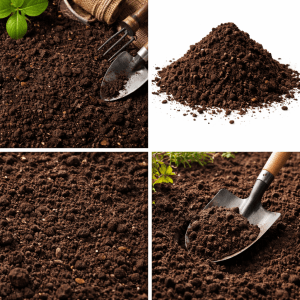
Before the first seed hits the ground, you must prepare the soil. Most vegetables require at least 8 to 12 inches of high-quality, nutrient-dense soil to develop deep root systems. If you are building raised beds, you need to know exactly how much material to order. Use the Topsoil Calculator to find your specific volume needs in cubic yards or bags.
If your garden site is uneven or needs structural filling, our Free Dirt Calculator can help you estimate the raw fill required to level the terrain. Proper grading is essential to ensure that water doesn’t pool in your garden, which would lead to root rot. This level of site prep is as critical as the groundwork for an Asphalt Driveway; the quality of the base determines the longevity of the final product.
How the Grow a Garden Calculator Logic Works
The calculator uses a database of plant growth habits to determine density. It processes your available area against the “In-Row” and “Between-Row” spacing requirements for each vegetable.
1. Available Area (sq inches) = Length × Width
2. Plant Footprint (sq inches) = In-Row Spacing × Between-Row Spacing
3. Total Plants = Available Area / Plant Footprint
Note: Intensive “Square Foot” methods can increase yield by 20-30% in small spaces.
This mathematical precision mirrors the logic found in our Free Stair Calculator. Whether you are calculating risers and treads or the number of kale plants, getting the dimensions right ensures a safe, functional, and efficient final result.
Step-by-Step Planting Strategy for Your Ultimate Garden
Determine your local frost dates to find the start and end of your growing season. This dictates when you can move seedlings outdoors.
Measure your beds and use the Topsoil Calculator. Aim for a mix of 50% topsoil and 50% organic compost.
Use the Grow a Garden Calculator to map where each crop will go, placing taller plants (like corn) on the north side to avoid shading smaller ones.
Place your watering lines and consider adding outdoor Recessed Lighting to enjoy your garden at night.
Garden Structures: Enclosures, Stairs, and Ambiance
A professional garden often includes structures like trellises, fences, or даже enclosures for delicate crops. If you are building a screened-in garden area to keep pests out, our How Tall Can a Pool Enclosure Be Calculator can help you visualize the vertical height limits.
For sloped yards, building timber or stone steps is essential for access. Use the Free Stair Calculator to ensure your garden steps are comfortable and meet safety standards. To finish the look, the Ultimate Recessed Lighting Calculator can help you plan illumination for paths and pergolas, making your garden a 24-hour retreat.
Outdoor Maintenance: Tree Removal, Paving, and Site Prep
Sometimes, a new garden requires removing old growth. If you have large trees blocking the sun, check our Tree Removal Cost Calculator to estimate the removal prices. Once the site is clear, you might want a paved path for easy access; the Free Asphalt Calculator can help you estimate materials for high-durability garden paths.
For timber projects like raised beds or benches, the Board Foot Calculator is an essential tool for ordering accurate lumber volumes. Every element of your outdoor space, from the trees above to the soil below, works together to create your personal oasis.
Linking Your Garden to Overall Home Maintenance
A beautiful garden often inspires other home renovations. If you’re upgrading your backyard, it may be the perfect time to repaint your home’s exterior or your garden shed. Use the Paint Cost Calculator or the Interior Painting Cost Calculator to budget for a cohesive look.
Even interior updates can be planned alongside your planting season—especially if you’re remodeling your kitchen to cook your new harvest! Use the Kitchen Cabinet Painting Calculator to see how a simple color update can modernize your cooking space. Maintenance is a year-round task, whether it’s the garden soil or the Chimney Repair on your roof.
Frequently Asked Questions (FAQ)
How much sunlight does a garden need?
Most vegetable crops need “Full Sun,” which is at least 6 to 8 hours of direct sunlight per day. Leafy greens like spinach can tolerate “Partial Shade” (4 hours).
What is the best time to start my garden?
This depends on your local frost date. Most warm-weather crops (tomatoes, peppers) should be planted only after the “Last Frost Date” in the spring.
Can I use this calculator for pots and containers?
Yes! Simply treat the top surface area of your pot as your “available space.” For container soil needs, use the Cubic Yard Calculator and convert to cubic feet or bags.
How often should I water my vegetables?
A general rule is 1 inch of water per week. In hot weather, you may need to water more frequently. Proper Topsoil depth helps retain moisture and reduce watering needs.
Final Strategy
The Grow a Garden Calculator is your strategic companion for a productive and beautiful home harvest. By mastering plant spacing, soil volume, and seasonal timing, you ensure that your garden is a source of joy and nutrition for years to come.
From planning your Lumber Projects to calculating your Pool Chemistry, Waldev is dedicated to providing the technical data for your entire property. For more information on gardening standards and seed safety, we recommend visiting the U.S. Department of Agriculture for official horticultural resources and planting guides.