Cubic Yard Calculator
Easily calculate volume in cubic yards, cubic feet, and cubic meters for landscaping, concrete, gravel, mulch, dirt, and other project materials. Enter your project dimensions and get fast, accurate volume estimates for planning and ordering.
Enter your project dimensions
Use this calculator to estimate the material volume needed for rectangular, square, circular, or triangular areas. You can also estimate the number of truckloads based on a selected truck capacity.
Rectangle area = length × width
Circle area = π × radius²
Triangle area = (base × height) ÷ 2
Cubic feet = area × depth in feet
Cubic yards = cubic feet ÷ 27
Truckloads = cubic yards ÷ selected truck capacity
Free Cubic Yard Calculator Guide: Estimating Volume for Mulch, Concrete, Dirt, and Large-Scale Home Renovation Projects
In the world of construction and landscaping, “Cubic Yards” is the universal currency for bulk material. Whether you are pouring a new patio, filling a garden bed, or resurfacing a driveway, purchasing by the yard is significantly more cost-effective than buying individual bags. A Cubic Yard Calculator translates your project’s Length, Width, and Depth into a single volume measurement, ensuring you order the exact amount of material needed to avoid costly shortages or wasteful surpluses.
Success in property management relies on accurate data from the foundation up. To access our full range of residential utilities, visit our home calculators category on waldev.com. From preparing your terrain with the Free Dirt Calculator and Topsoil Calculator to structural planning with the Free Stair Calculator, we provide the technical data you need to build with confidence.
What Exactly is a Cubic Yard? Visualizing Bulk Volume
A cubic yard (yd³) is a unit of volume equivalent to a cube that is 3 feet long, 3 feet wide, and 3 feet deep. It contains 27 cubic feet. To visualize this, a standard large washing machine is roughly half a cubic yard. Most full-size pickup truck beds can hold between 1 and 2 cubic yards of material depending on whether they are “short” or “long” beds.
Mastering this measurement is as critical for a homeowner as chemical balance is for a swimmer. Just as you use a Free Pool Salt Calculator to maintain a healthy pool environment, you must use a Cubic Yard Calculator to maintain a healthy project budget. By quantifying volume early, you can secure bulk delivery pricing, which can be 50% cheaper than retail bagging.
The Mathematics of Volume: The 27-Divisor Rule
The core challenge of volume calculation is the unit mismatch: project areas are measured in feet, depths are often measured in inches, and materials are sold in yards. The calculator automates the conversion by multiplying the area and depth, then dividing by 27.
1. Length (ft) × Width (ft) = Area (sq ft)
2. Area (sq ft) × [Depth (in) / 12] = Cubic Feet
3. Cubic Feet / 27 = Cubic Yards
This level of mathematical precision is found in all our home utilities, including the Free Asphalt Calculator and the Free Stair Calculator. Whether you are paving a driveway or building steps, getting the cubic volume right ensures your site prep and material delivery are perfectly synchronized.
Common Materials Sold by the Yard: From Dirt to Concrete
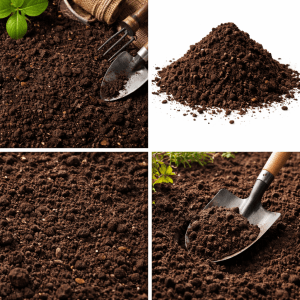
Different projects require different materials, but almost all bulk supplies are estimated using cubic yards. If you are leveling a yard, you’ll need “fill dirt” estimated via the Free Dirt Calculator. If you are finishing a garden, you’ll transition to the Topsoil Calculator.
Other materials include Mulch (standard at 3-inch depth), Gravel (for drainage), and Ready-Mix Concrete. For projects involving lumber—such as framing a raised bed or a deck—you should switch to our Free Board Foot Calculator, which measures the volume of wood. Every material has a specific “behavior,” but they all start with a raw volume calculation.
Step-by-Step Volume Calculation Guide
Measure the length and width of your project area. For circular beds, find the radius and use the formula πr² to find the area.
Mulch is usually 3″, Topsoil for grass is 4-6″, and Concrete pads for sheds are typically 4″.
Use the Free Cubic Yard Calculator to get your total yardage. For irregular depths, use the average depth across the site.
Add 10% extra for materials like dirt and mulch, as they will settle and compact after the first few rains.
Concrete vs. Mulch: Understanding Weight and Logistics
While the volume (cubic yards) is the same, the weight varies dramatically. One cubic yard of mulch weighs roughly 600-800 lbs, whereas one cubic yard of wet concrete weighs nearly 4,000 lbs (2 tons!). This weight difference dictates what kind of truck you need and whether your driveway can handle the delivery.
If your delivery involves heavy equipment, monitor your driveway’s health with the Free Asphalt Calculator. Large trucks can cause surface cracks if the asphalt is aged. Protecting your property during a renovation is as important as the project itself.
Integrating Volume with Your Garden and Pool Plan
Successful landscaping often means coordinating multiple projects. If you are building an outdoor sanctuary, use the Grow a Garden Calculator to plan your plant spacing and then the Cubic Yard Calculator to find the soil needed to support them.
For poolside areas, proper grading is essential to prevent runoff into the water. If you are adding a Pool Enclosure, the volume of concrete for the footers must be perfectly calculated to ensure structural stability against wind loads.
Structural Safety: Stairs, Chimneys, and Framing
Every structural feature of your home relies on precise measurements. If you are building stone or concrete steps, use the Free Stair Calculator to determine dimensions, then use the yardage tool to order the fill material.
For masonry projects like a Chimney Repair, volume is used to estimate mortar and brick counts. Even interior updates like Recessed Lighting or Kitchen Cabinet Painting contribute to your home’s total value, but they all start with the “bones” of the house being stable and well-measured.
Asphalt, Tree Removal, and Site Preparation
Before you can lay down a single cubic yard of material, you often need to clear the site. Check the Tree Removal Price Guide if you have old growth blocking your new project area. Once clear, if you are surfacing a driveway or path, the Free Asphalt Calculator provides the specialized tonnage estimates needed for paving.
For those doing extensive exterior Painting or Interior Refreshing, coordinating your project timelines ensures your home looks its best both inside and out.
Frequently Asked Questions (FAQ)
How many bags of mulch are in a cubic yard?
Most standard bags of mulch contain 2 cubic feet. Since there are 27 cubic feet in a yard, you would need 13.5 bags (round up to 14) to equal one cubic yard.
What is the easiest way to calculate cubic yards for a circle?
Find the radius (half the distance across), square it, and multiply by 3.14 (Pi). Then multiply that area by your depth in feet and divide by 27.
Can I haul a cubic yard of dirt in my pickup truck?
Usually, yes. One cubic yard of dirt weighs about 2,000 lbs (1 ton), which fits the payload capacity of most 1/2-ton and 3/4-ton pickups. However, a yard of rock or wet sand may exceed your truck’s safe weight limit.
What depth should I use for topsoil?
For a new lawn, 4-6 inches is the gold standard. For flower beds, aim for 8-12 inches. Use the Topsoil Calculator to find the exact volume for these depths.
Final Strategy
The Cubic Yard Calculator is the ultimate tool for banishing project uncertainty. By mastering the 27-divisor rule and understanding the specific requirements of your materials, you can ensure a professional-grade result, minimize waste, and protect your home’s long-term value.
From estimating your Asphalt Paving to maintaining your Pool Chemistry, Waldev is dedicated to providing the technical data for your entire property. For official construction and geotechnical standards, we recommend visiting the American Society of Civil Engineers for the latest in building and site prep best practices.